
Introducing Pulsomics. Contribute to science. Learn MoreIntroducing Pulsomics. Contribute to science.
M2 Live is here. Continuous Glucose Tracking, no Rx
Introducing Pulsomics. Contribute to science. Learn MoreIntroducing Pulsomics. Contribute to science.
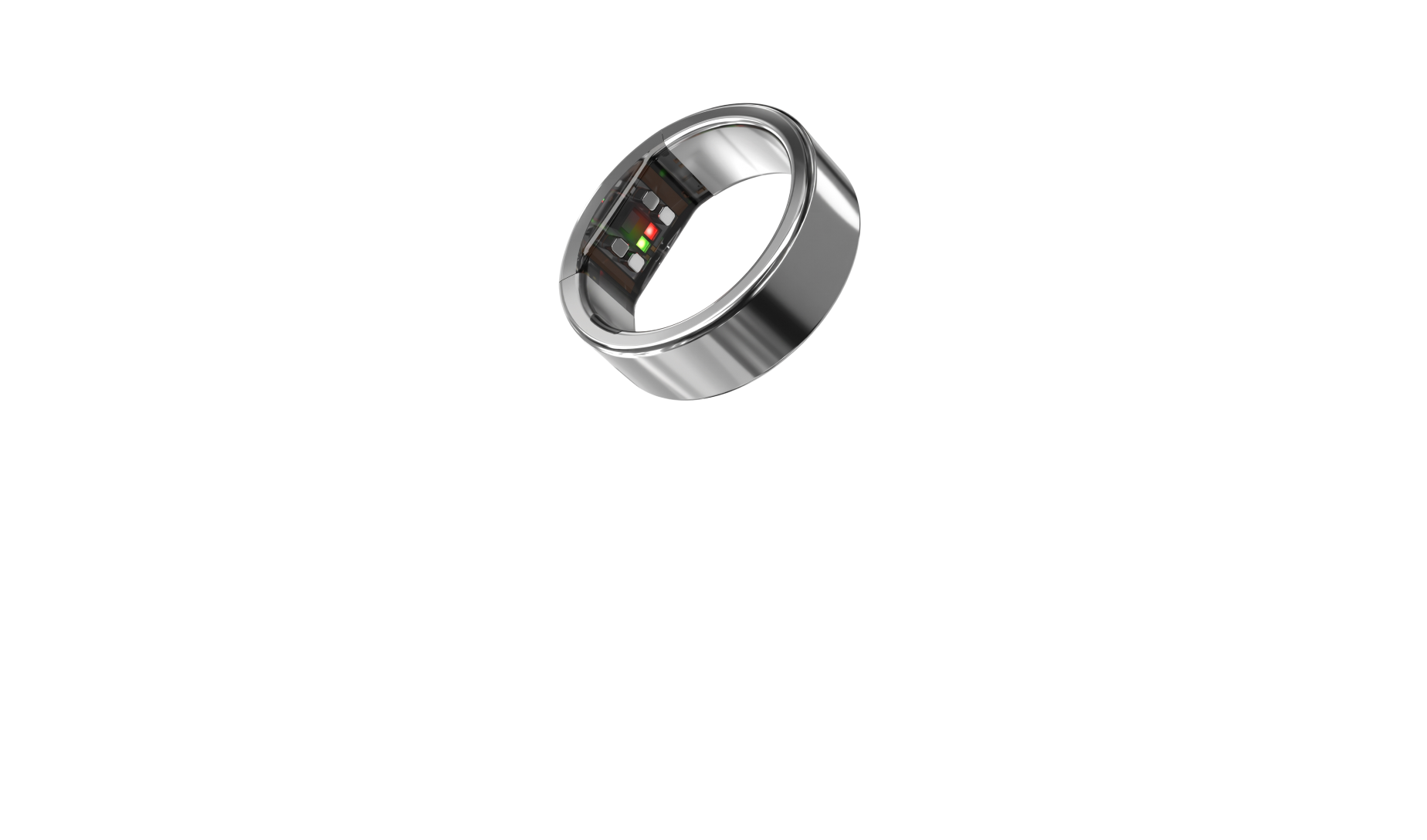
Ultrahuman Ring
Choose the ring built for you.

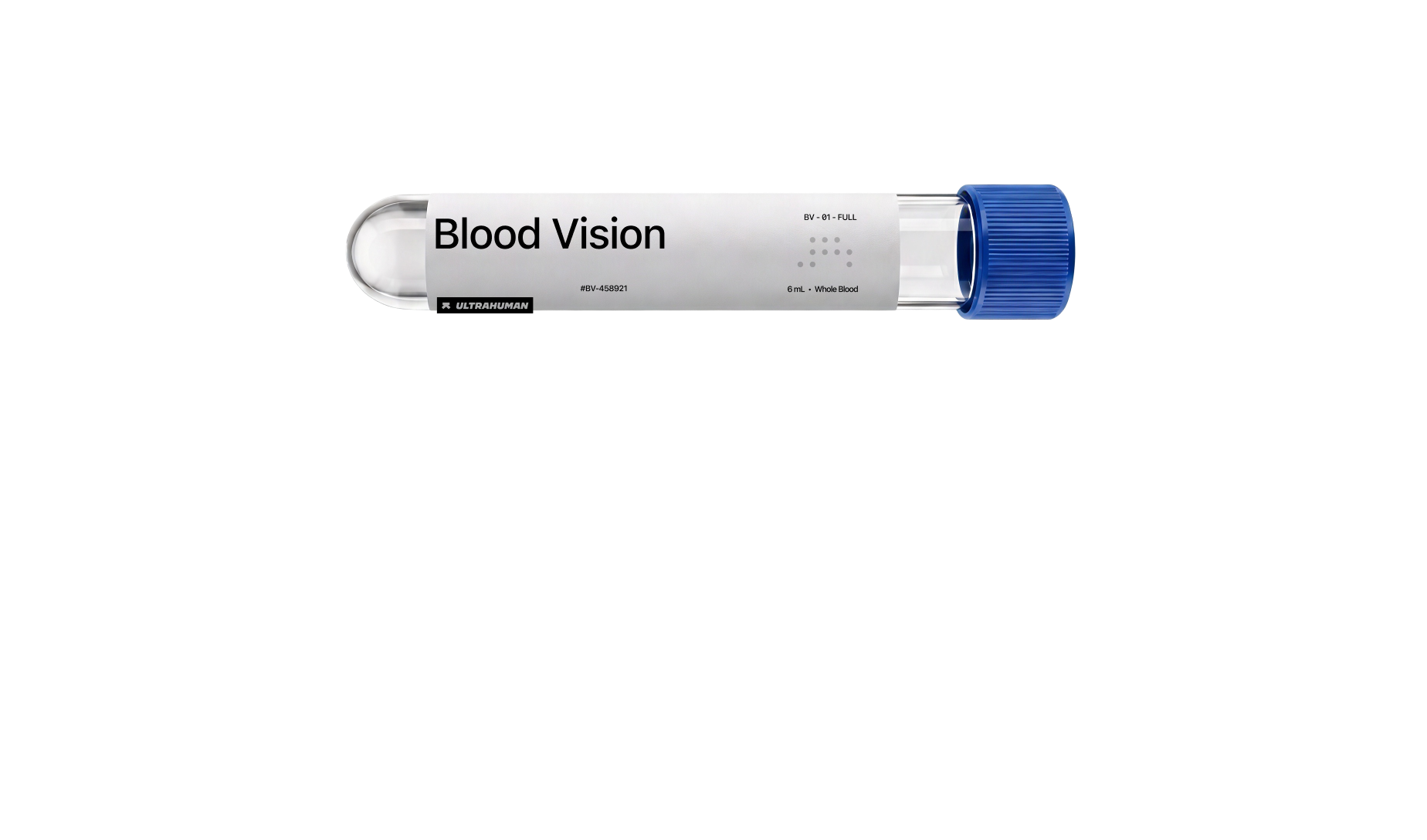
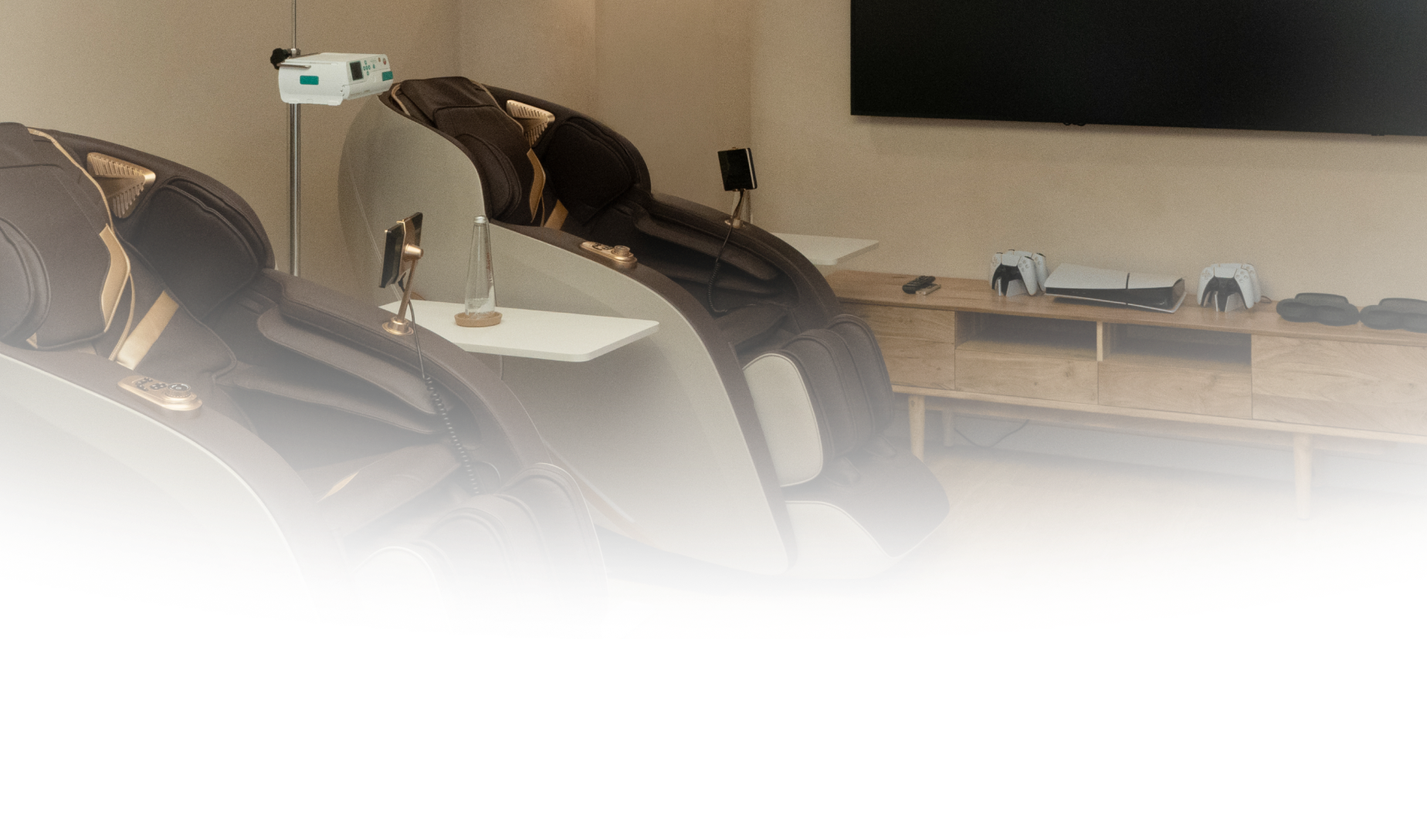
Performance Lab
Train, test and recover at our Bengaluru facility.

Generic - Khichdi (1 cupcooked) and Curd (1 Cup)
 Lunch
Lunch
180 mg/dL
avg. peak value
Usually causes a medium spike
Avg. Food Score on Ultrahuman App
67%
Ultrahuman Users got an UNSTABLE response
How to consume curd, generic - khichdi without glucose spikes
Incorporate Fiber-Rich Vegetables
Add non-starchy vegetables like spinach, broccoli, and bell peppers to your khichdi. This will help slow down the absorption of glucose.
Include Protein Sources
Enhance your meal with protein-rich foods such as lentils, chickpeas, or tofu. Protein can help moderate blood sugar levels.
Use Whole Grains
Opt for brown rice or quinoa instead of white rice when preparing khichdi to maintain more stable glucose levels.
Add Healthy Fats
Include sources of healthy fats like a small amount of olive oil or a few slices of avocado to your meal to help reduce glucose spikes.
Portion Control
Be mindful of the portion sizes of both curd and khichdi. Smaller portions can help prevent large spikes in blood sugar.
Add Nuts
Consider adding a handful of almonds or walnuts to your meal, as they can help stabilize blood sugar levels.
Opt for Low-Fat Curd
Choose low-fat or Greek-style curd, which can be higher in protein and lower in fat compared to regular curd.
Limit Added Sugars
Avoid adding any sweeteners to your curd or khichdi, as they can contribute to higher glucose spikes.
Stay Hydrated
Drink plenty of water throughout the day, as hydration can assist in maintaining stable blood sugar levels.
Increase Meal Frequency
Instead of having large meals, try eating smaller, more frequent meals throughout the day to keep blood sugar levels steady.

Discover
metabolic
health with M1
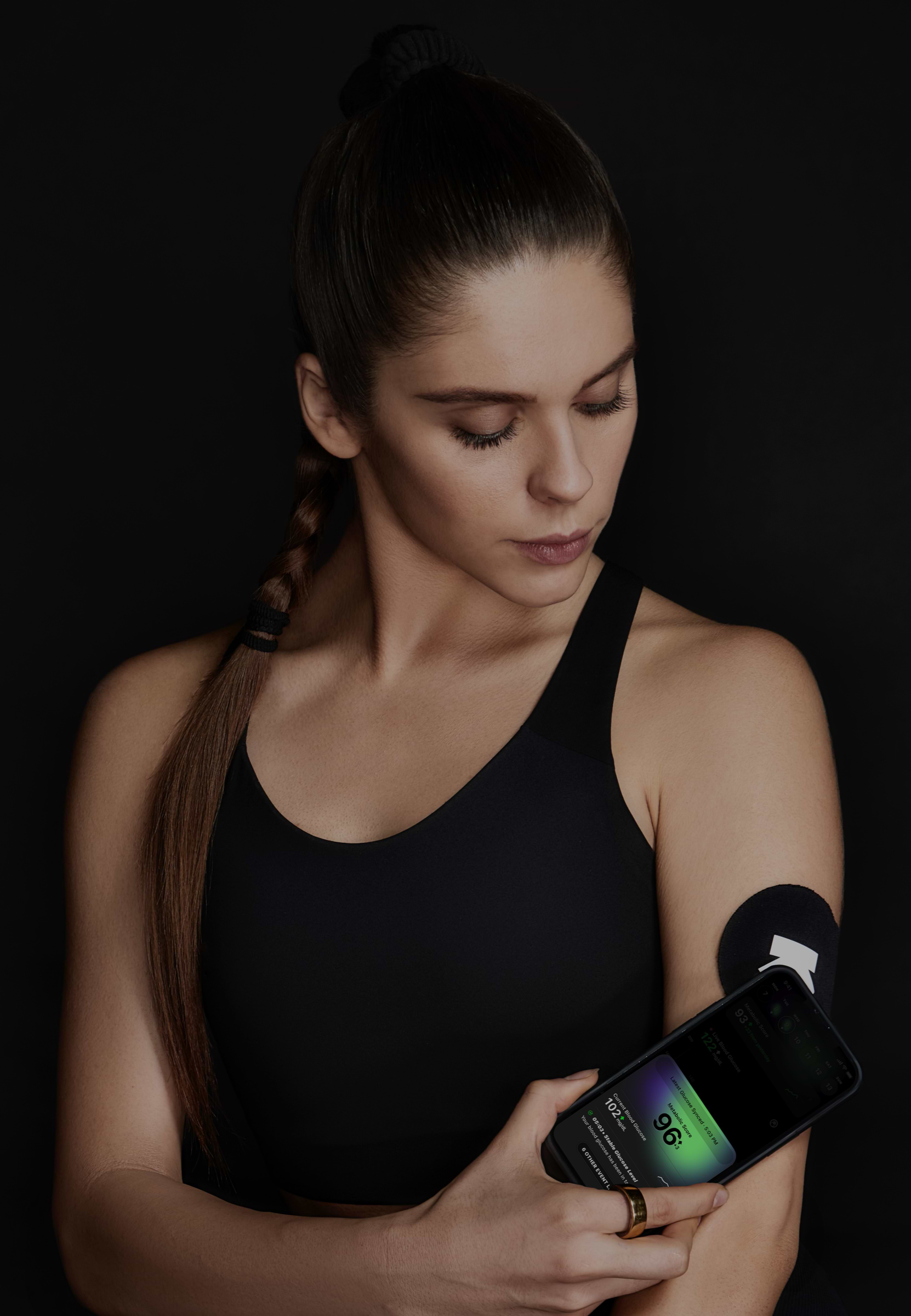
Ultrahuman M1 helps you measure the impact of food and activity on your body in real time through glucose as a biomarker.
Explore Ultrahuman M1Find Glucose response for your favourite foods
Explore OGDbYour cart is empty
Looks like you haven't added anything yet. Explore our products to get started.