
Loading...

Dosa chatni (1 piece)

food-timeBreakfast

179 mg/dL

avg. peak value

Usually causes a large spike

1

Avg. Food Score on Ultrahuman App

100%

Ultrahuman Users got an UNSTABLE response

How to consume dosa chatni without glucose spikes
Portion Control

Start by moderating the amount of dosa and chutney you consume. Smaller portions can help manage the spike.

Add Protein

Include a source of protein in your meal to slow down the absorption of carbohydrates. Consider adding a side of low-fat yogurt or a handful of nuts.

Include Fiber

Add fiber-rich foods such as a small salad with leafy greens or a side of steamed vegetables. This can help in slowing down the digestion process.

Stay Hydrated

Drink a glass of water before your meal. This can help you feel full and may prevent overeating.

Physical Activity

Engage in light physical activity after your meal, such as a short walk, to help your body use up the glucose more efficiently.

Slow Eating

Take your time to eat, chewing thoroughly to give your body more time to process the food and manage blood sugar levels effectively.

Use Whole Grains

If possible, prepare or ask for dosas made with whole grains or mixed grains, which may release glucose more slowly.

Limit Sugary Chutneys

Opt for chutneys that are less sweetened and made with ingredients like coconut or tomatoes rather than sugar-rich options.

Monitor Your Levels

Keep track of your blood sugar levels before and after eating to understand how different food combinations affect you.

Regular Meals

Maintain a regular eating schedule to prevent spikes. Avoid long periods of fasting or skipping meals, which can lead to overeating.

healthspan-desktophealthspan-mbl

Discover
metabolic
health with M1

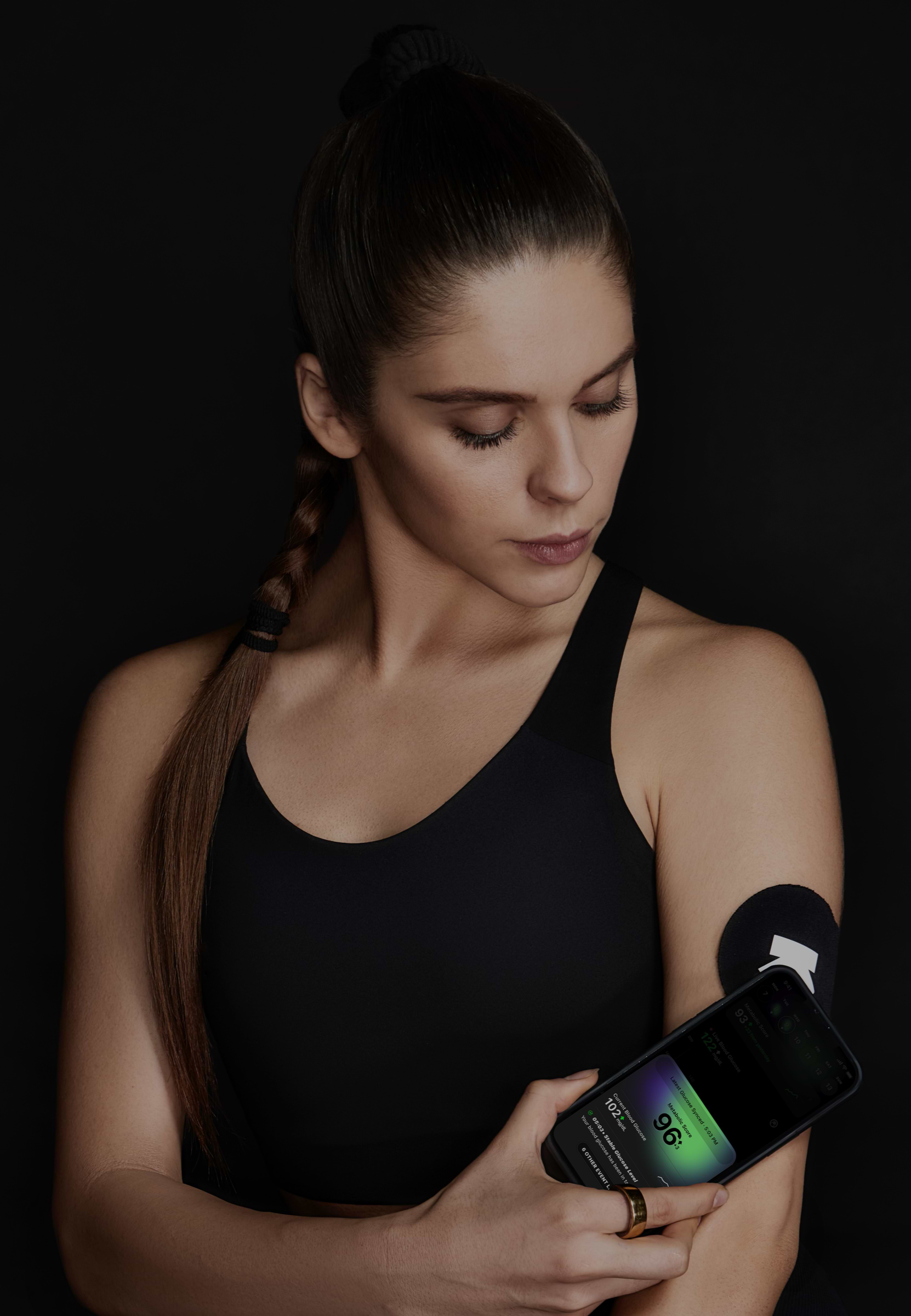
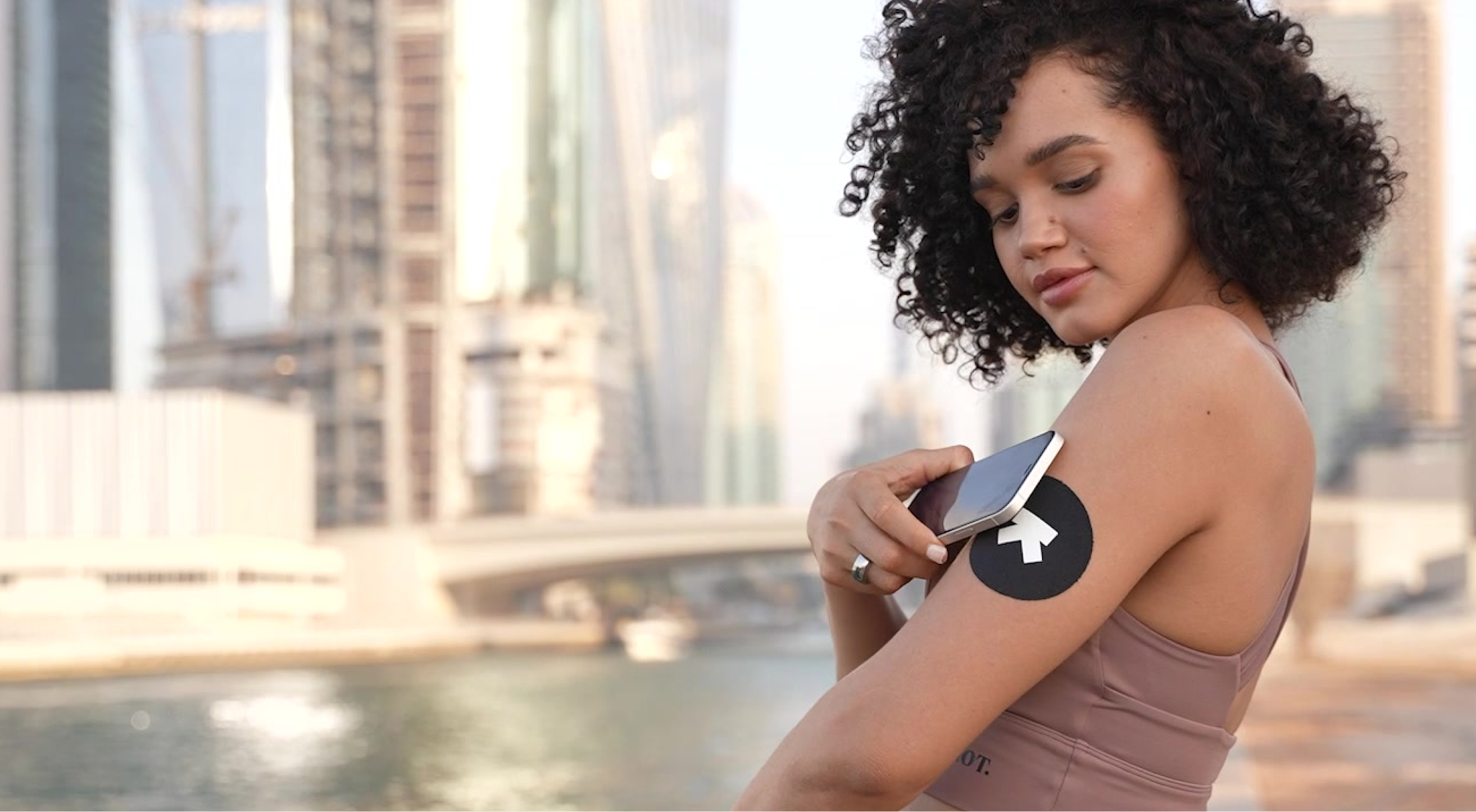
Ultrahuman M1 helps you measure the impact of food and activity on your body in real time through glucose as a biomarker.

Explore Ultrahuman M1

Find Glucose response for your favourite foods

Explore OGDb