


Dosa (1 Piece) and Omlett (1 serving(s))
 Breakfast
193 mg/dL
avg. peak value
Usually has a stable response
Avg. Food Score on Ultrahuman App
67%
Ultrahuman Users got an UNSTABLE response
How to consume dosa, omlett without glucose spikes
Incorporate Fiber-Rich Foods
Add vegetables like spinach, bell peppers, or mushrooms to your dosa batter or omelet to increase fiber content, which can help slow down glucose absorption.
Choose Whole Grains
When making dosa, consider using whole grain or multigrain flour instead of refined flour to help stabilize blood sugar levels.
Balance with Protein
Include a side of yogurt or cottage cheese with your meal to add protein, which can help moderate glucose spikes.
Add Healthy Fats
Incorporate healthy fats such as avocado slices or a sprinkle of chia seeds on your omelet to help slow digestion and smooth out glucose levels.
Portion Control
Reduce portion sizes of dosa and omelet to manage the overall carbohydrate intake, minimizing the glucose response.
Eat Slowly and Mindfully
Chew your food thoroughly and eat slowly to enhance digestion and better manage insulin response.
Hydrate Adequately
Drink water before your meal to help with digestion and prevent overeating, which can contribute to glucose spikes.
Post-Meal Activity
Take a short walk after eating to enhance insulin sensitivity and aid in glucose regulation.
Opt for Fermented Versions
Allow dosa batter to ferment well, as fermentation can lower the glucose impact by altering carbohydrate structure.
Use Low-Sugar Condiments
Pair your meal with low-sugar tomato salsa or mint chutney rather than high-sugar sauces to reduce sugar intake.
Discover
metabolic
health with M1
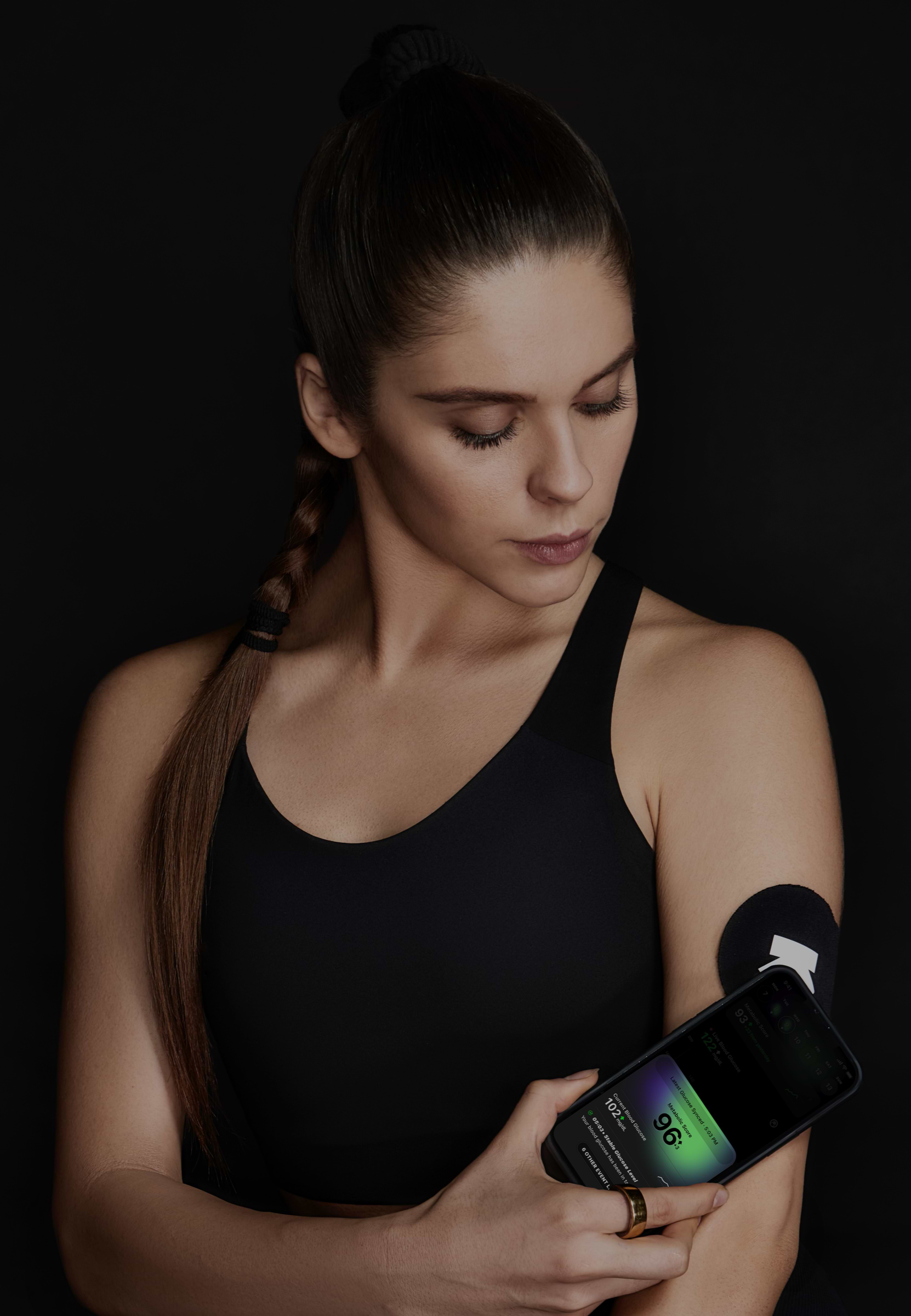
Ultrahuman M1 helps you measure the impact of food and activity on your body in real time through glucose as a biomarker.
Explore Ultrahuman M1Find Glucose response for your favourite foods
Explore OGDb