
Loading...

Fruit Bowl (1 serving(s))

food-timeBreakfast

147 mg/dL

avg. peak value

Usually causes a medium spike

4

Avg. Food Score on Ultrahuman App

78%

Ultrahuman Users got an UNSTABLE response

How to consume Fruit bowl without glucose spikes

Pair with Protein or Healthy Fats

Combine your fruit bowl with a source of protein or healthy fats, such as a handful of nuts or a spoonful of nut butter, to slow down the absorption of sugars.

Add Fiber-Rich Foods

Incorporate foods high in fiber, like chia seeds or flaxseeds, to your fruit bowl to help stabilize blood sugar levels.

Opt for Lower-Sugar Fruits

Choose fruits that naturally contain less sugar, such as berries or green apples, and reduce the quantity of higher-sugar fruits like bananas.

Portion Control

Be mindful of portion sizes and reduce the overall amount of fruit in your bowl to lessen the sugar intake.

Include Whole Grains

Mix in a small portion of whole grains, like oats or quinoa, as they can help moderate the rise in blood sugar levels.

Stay Hydrated

Drink plenty of water before or with your meal to help with digestion and reduce the impact of sugar absorption.

Exercise Regularly

Incorporate regular physical activity, as it can help improve insulin sensitivity and reduce the risk of glucose spikes.

Monitor Timing

Try to space out your fruit consumption throughout the day, rather than consuming a large portion all at once, to help balance blood sugar.

Cook or Prepare Fruits

Slightly cooking or blending some fruits can alter their sugar absorption rate, making it more gradual.

Mindful Eating

Eat slowly and mindfully to give your body time to process the sugars and provide a more gradual blood sugar response.

healthspan-mbl

Discover
metabolic
health with M1

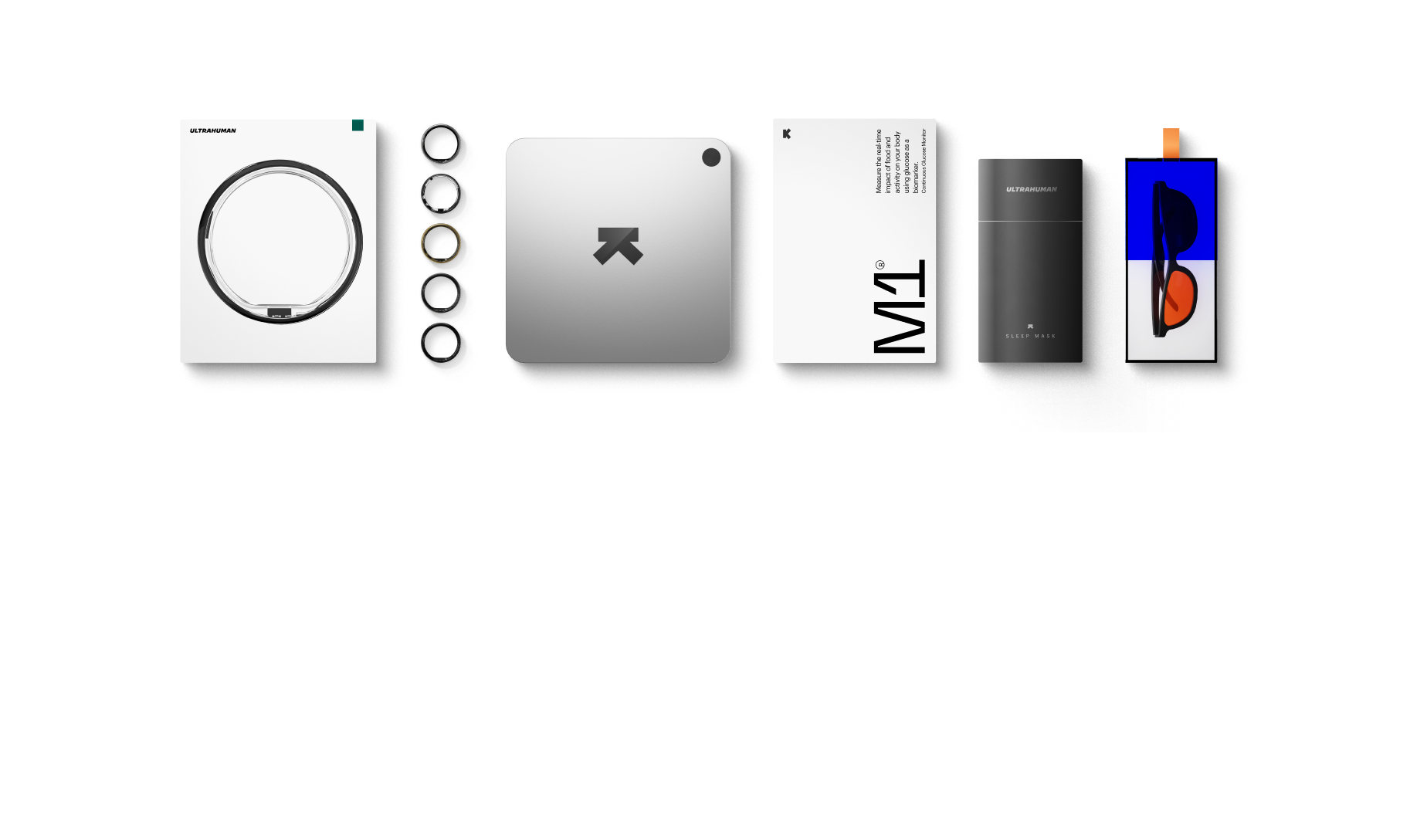
Ultrahuman M1 helps you measure the impact of food and activity on your body in real time through glucose as a biomarker.

Explore Ultrahuman M1

Find Glucose response for your favourite foods

Explore OGDb