




Max Protein (75g) (Rite Bite) (1 Serving)
 Midnight Snack
108 mg/dL
avg. peak value
Usually causes a medium spike
Avg. Food Score on Ultrahuman App
80%
Ultrahuman Users got an UNSTABLE response
Other related foods
- max protein choco almond bar
- max protein ultimate
- max protein professional
- max protein choco berry bar
- max protein choco fudge bar
- max protein chips
- max protein 7 grain breakfast cookie
- max protein peanut butter bar
- coffee max protein 7 grain breakfast cookie oats raisins
- coffee max protein 7 grain breakfast cookie oats raisins orange
How to consume Max Protein (75g) without glucose spikes
Balance Your Meal
Combine the Max Protein with high-fiber foods like lentils, chickpeas, or vegetables such as broccoli or spinach to slow down digestion and absorption of glucose.
Incorporate Healthy Fats
Add sources of healthy fats to your meal, such as avocado, nuts, or seeds. These can help to moderate blood sugar spikes by slowing the digestion process.
Stay Hydrated
Drink plenty of water before and after your meal. Proper hydration helps your body manage blood sugar levels more effectively.
Include Protein-Rich Foods
Add additional protein sources like chicken breast, tofu, or eggs to your meal to help stabilize your blood sugar levels.
Exercise Post-Meal
Engage in light physical activity, such as a 15-minute walk, post-meal to help your body use up the excess glucose in your bloodstream.
Mind Your Portions
Consider reducing the portion size of the Max Protein to manage the spike in glucose levels more effectively.
Plan Your Meal Timing
Distribute your protein intake throughout the day rather than consuming it all at once. This can help prevent sudden spikes in your glucose levels.
Monitor Your Response
Keep track of how your body responds to different foods and adjust your meal composition accordingly to find what works best for you.
Opt for Whole Grains
If you are having carbs with your meal, choose whole grain options like quinoa or brown rice to further assist in moderating glucose spikes.

Discover
metabolic
health with M1
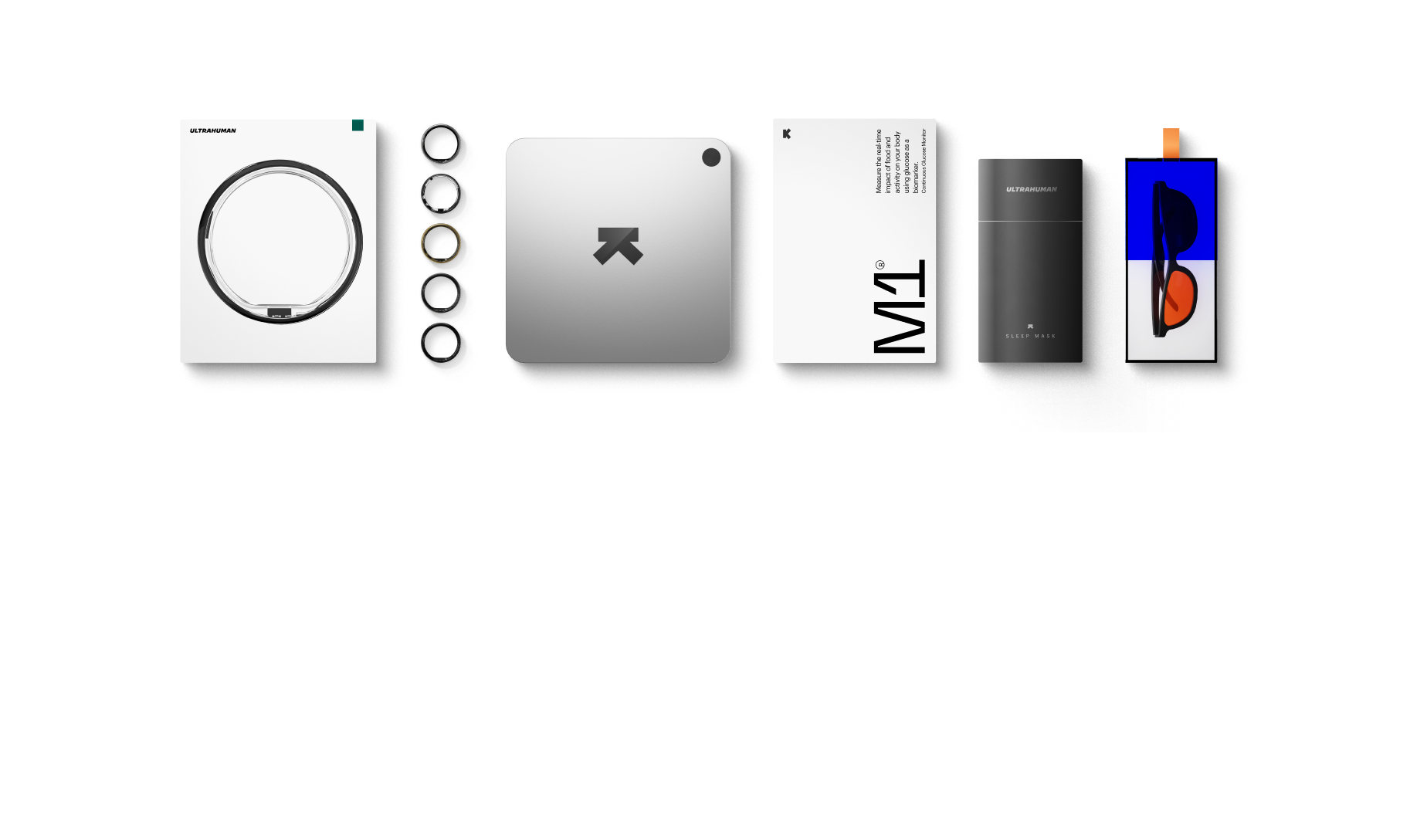
Ultrahuman M1 helps you measure the impact of food and activity on your body in real time through glucose as a biomarker.
Explore Ultrahuman M1Find Glucose response for your favourite foods
Explore OGDb