




Raspberries (100 G)
 Dinner
110 mg/dL
avg. peak value
Usually causes a medium spike
Avg. Food Score on Ultrahuman App
68%
Ultrahuman Users got a STABLE response
How to consume Raspberries without glucose spikes
Pair with Protein
Incorporate a source of protein such as Greek yogurt, cottage cheese, or a handful of nuts when consuming raspberries to help slow down the absorption of sugar.
Add Healthy Fats
Include healthy fats like avocado, chia seeds, or almonds in your meal to reduce the impact of raspberries on your blood sugar levels.
Portion Control
Consume raspberries in moderation. Keep your portion size in check to prevent excessive sugar intake.
Combine with Fiber-Rich Foods
Pair raspberries with foods high in fiber, such as oatmeal or whole grain toast, to slow down digestion and reduce spikes.
Stay Hydrated
Drink water before and after eating raspberries to aid digestion and help maintain stable blood sugar levels.
Increase Physical Activity
Engage in a short walk or low-intensity exercise after eating to help your body utilize the sugar more effectively.
Monitor Timing
Consume raspberries as part of a balanced meal during times of the day when you are more active to help your body process the sugars more efficiently.
Mindful Eating
Eat slowly and mindfully to give your body a chance to process the food in a more controlled manner.
Balanced Meals
Ensure your overall meal is balanced with a mix of macronutrients like proteins, fats, and carbohydrates to moderate blood sugar response.
Opt for Fresh Raspberries
Choose fresh over processed options which often contain added sugars, thus contributing to higher glucose spikes.

Discover
metabolic
health with M1
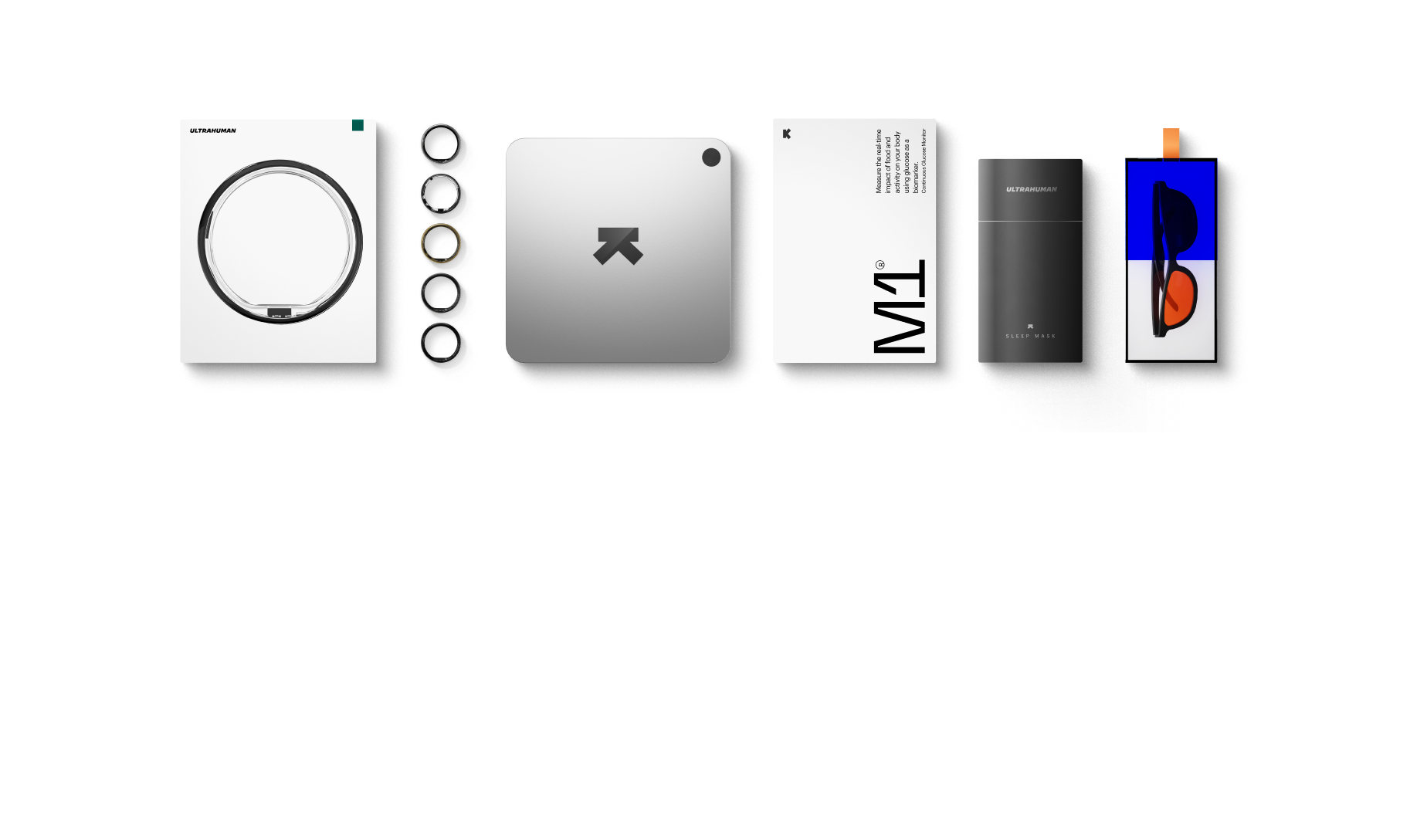
Ultrahuman M1 helps you measure the impact of food and activity on your body in real time through glucose as a biomarker.
Explore Ultrahuman M1Find Glucose response for your favourite foods
Explore OGDb