
Loading...

Rice Bread (1 Slice)

food-timeBreakfast

184 mg/dL

avg. peak value

Usually causes a large spike

3

Avg. Food Score on Ultrahuman App

60%

Ultrahuman Users got an UNSTABLE response

How to consume Rice Bread without glucose spikes

Portion Control

Reduce the amount of rice bread you consume in one sitting. Smaller portions can help in managing blood sugar levels.

Pair with Protein

Eat rice bread with protein sources such as grilled chicken, turkey, or tofu. Proteins help slow down the absorption of carbohydrates.

Add Healthy Fats

Include healthy fats like avocado, nuts, or olive oil when consuming rice bread, as they can help moderate the release of glucose.

Incorporate Fiber-Rich Foods

Add high-fiber foods such as non-starchy vegetables or legumes to your meal. Options include broccoli, spinach, or lentils, which can help slow down the digestion of carbohydrates.

Stay Hydrated

Drink plenty of water throughout the day to help your body manage blood sugar levels effectively.

Exercise Regularly

Engage in light physical activity like walking or cycling after meals to help lower blood glucose.

Monitor Timing

Pay attention to the time of day you consume rice bread. Some people find better glucose management by eating carbohydrate-rich foods earlier in the day.

Eat Slowly

Take your time during meals to allow your body to process the food more efficiently, which can help in controlling blood sugar spikes.

Limit Other Carbs

Be mindful of other carbohydrate sources in your meal to avoid compounding the effect of rice bread.

Stress Management

Practice stress-relief techniques such as meditation or deep breathing exercises, as stress can affect blood sugar levels.

healthspan-mbl

Discover
metabolic
health with M1

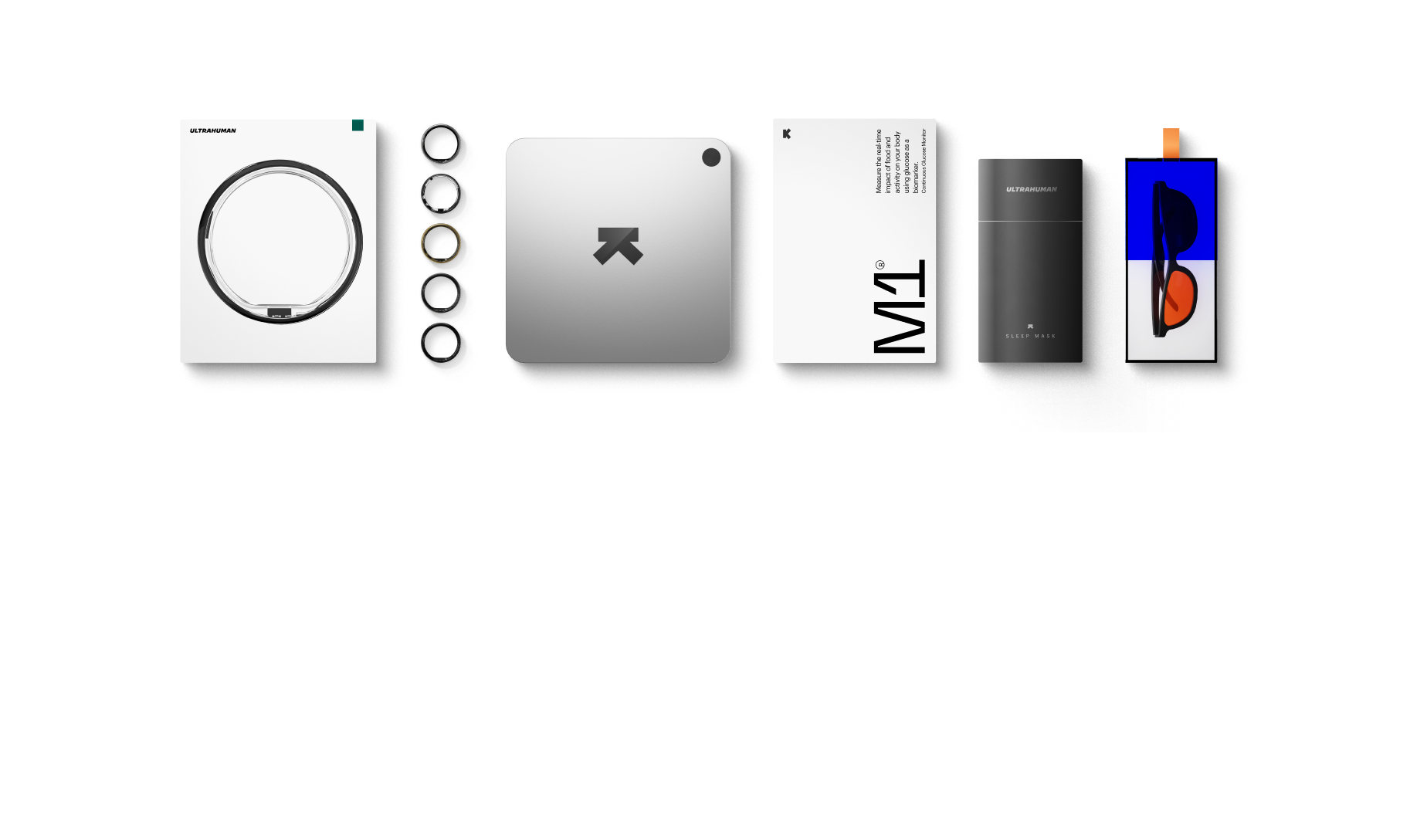
Ultrahuman M1 helps you measure the impact of food and activity on your body in real time through glucose as a biomarker.

Explore Ultrahuman M1

Find Glucose response for your favourite foods

Explore OGDb