
Loading...

Vegetable Cutlet (1 Piece)

food-timeDinner

How to consume Vegetable cutlet without glucose spikes
Pair with Protein or Healthy Fats

Incorporate a source of protein or healthy fats alongside your vegetable cutlet. Consider options like grilled chicken, fish, avocado, or a handful of nuts to help slow down the absorption of glucose.

Increase Fiber Intake

Add high-fiber vegetables to your meal, such as leafy greens, broccoli, or bell peppers. Fiber can aid in stabilizing blood sugar levels.

Opt for Whole Grains

If you're having the cutlet with a side of grains, choose whole grains like quinoa, brown rice, or barley, which are digested more slowly.

Limit Portion Size

Reduce the portion size of the vegetable cutlet to minimize the amount of carbohydrates consumed in one sitting.

Include Vinegar or Lemon Juice

Add a splash of vinegar or lemon juice to your meal. These acidic ingredients can help mitigate glucose spikes.

Stay Active Post-Meal

Engage in light physical activity, such as a short walk, after eating to help utilize the glucose in your bloodstream more efficiently.

Stay Hydrated

Drink plenty of water throughout the day, as good hydration can support overall metabolic processes and glucose regulation.

Monitor Carbohydrate Content

Pay attention to the ingredients in your vegetable cutlet and adjust the recipe to include more low-carbohydrate vegetables.

Incorporate Beans or Lentils

Add beans or lentils to your meal, as they are known for their ability to stabilize blood sugar levels due to their high fiber and protein content.

Eat Slowly

Take your time to eat, as eating slowly can help with digestion and give your body more time to process carbohydrates without causing a spike.

healthspan-mbl

Discover
metabolic
health with M1

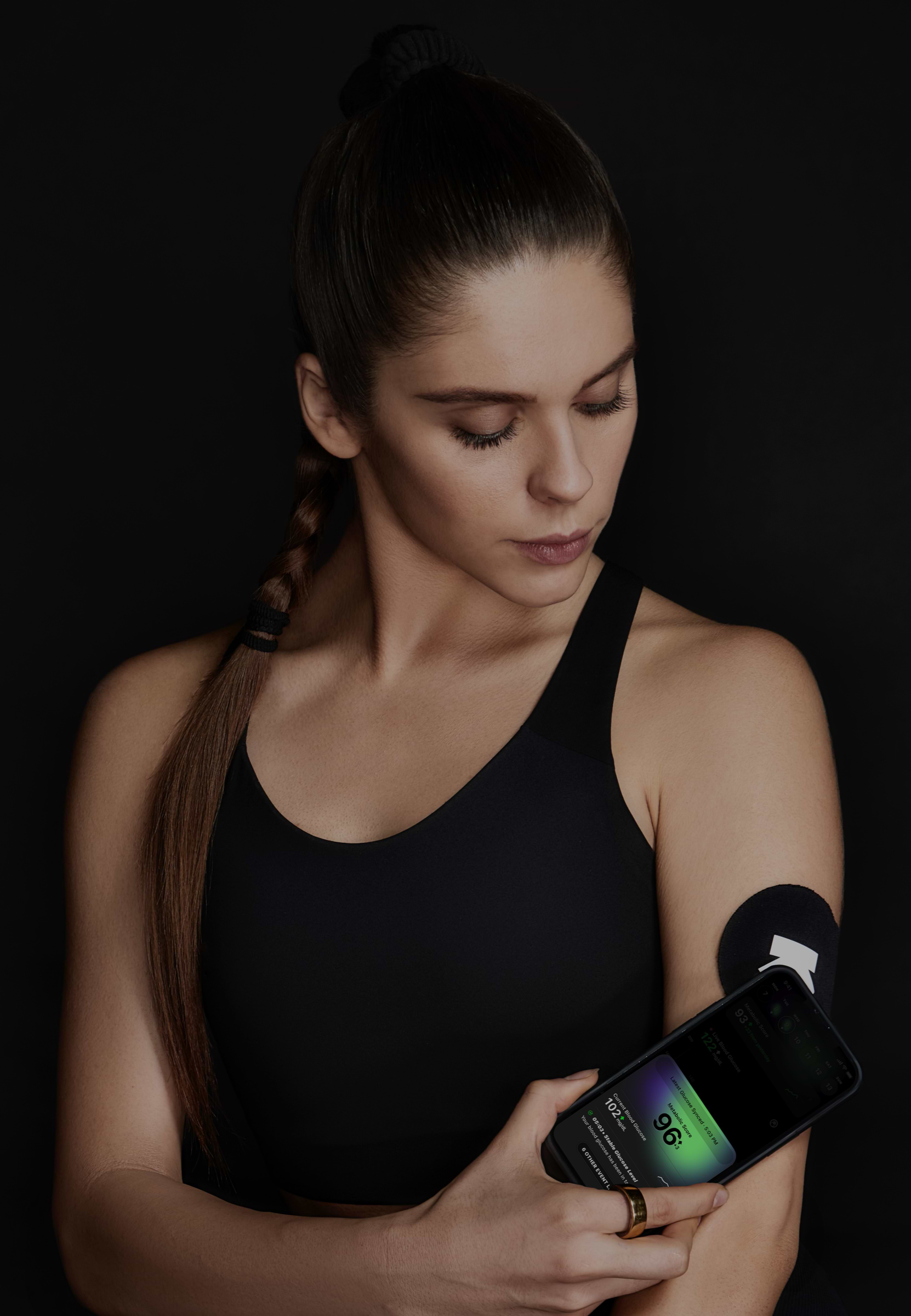
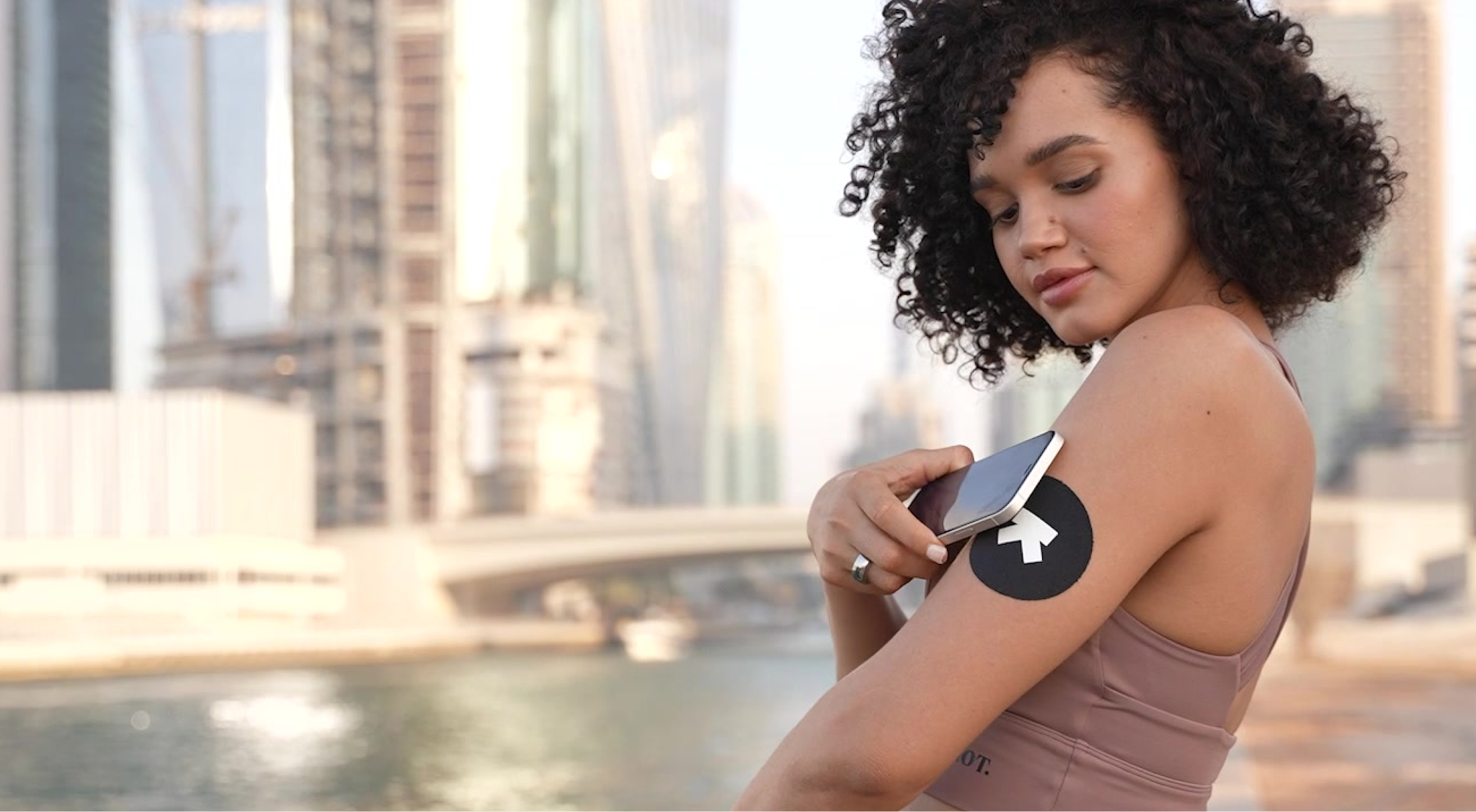
Ultrahuman M1 helps you measure the impact of food and activity on your body in real time through glucose as a biomarker.

Explore Ultrahuman M1

Find Glucose response for your favourite foods

Explore OGDb