


Kadi Khichdi (1 piece)
 Lunch
154 mg/dL
avg. peak value
Usually causes a large spike
Avg. Food Score on Ultrahuman App
80%
Ultrahuman Users got an UNSTABLE response
How to consume Kadi Khichdi without glucose spikes
Make the khichdi with whole green moong and buckwheat (kuttu) instead of a rice-heavy version; keep the grain portion modest.
Add plenty of non-starchy vegetables such as spinach, bottle gourd, zucchini, cauliflower, beans, or okra to increase fibre and volume.
Have a protein side such as plain unsweetened yogurt, paneer, tofu, or eggs, and avoid sweetened lassi or sugary accompaniments.
Start the meal with a salad of cucumber, tomato, and leafy greens dressed with lemon or vinegar, then eat the kadhi khichdi slowly.
Limit the serving to one bowl, avoid second helpings, and skip papad, fried pakoras, sweets, and sweet drinks with the meal.
Take a gentle 10–20 minute walk after eating; if spikes remain large or frequent, discuss meal timing and medication adjustments with your clinician.
Powered by ChatGPT. ChatGPT's information is based on machine learning and may not be entirely accurate or reliable. Consult a healthcare professional before changing your lifestyle, diet or treatment. We don't endorse any specific foods, products and assume no liability for any loss or damage caused by relying on ChatGPT.
Discover
metabolic
health with M2
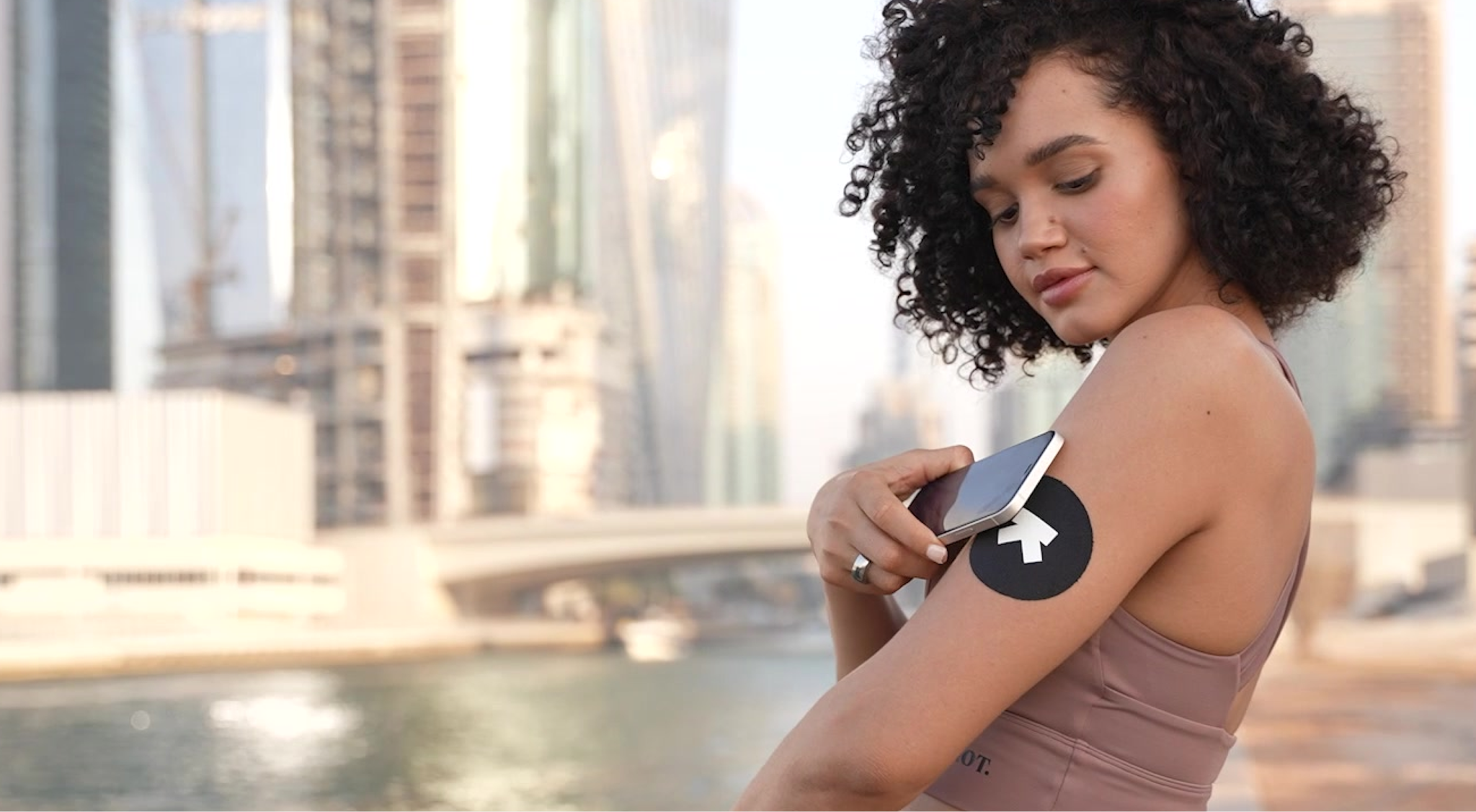
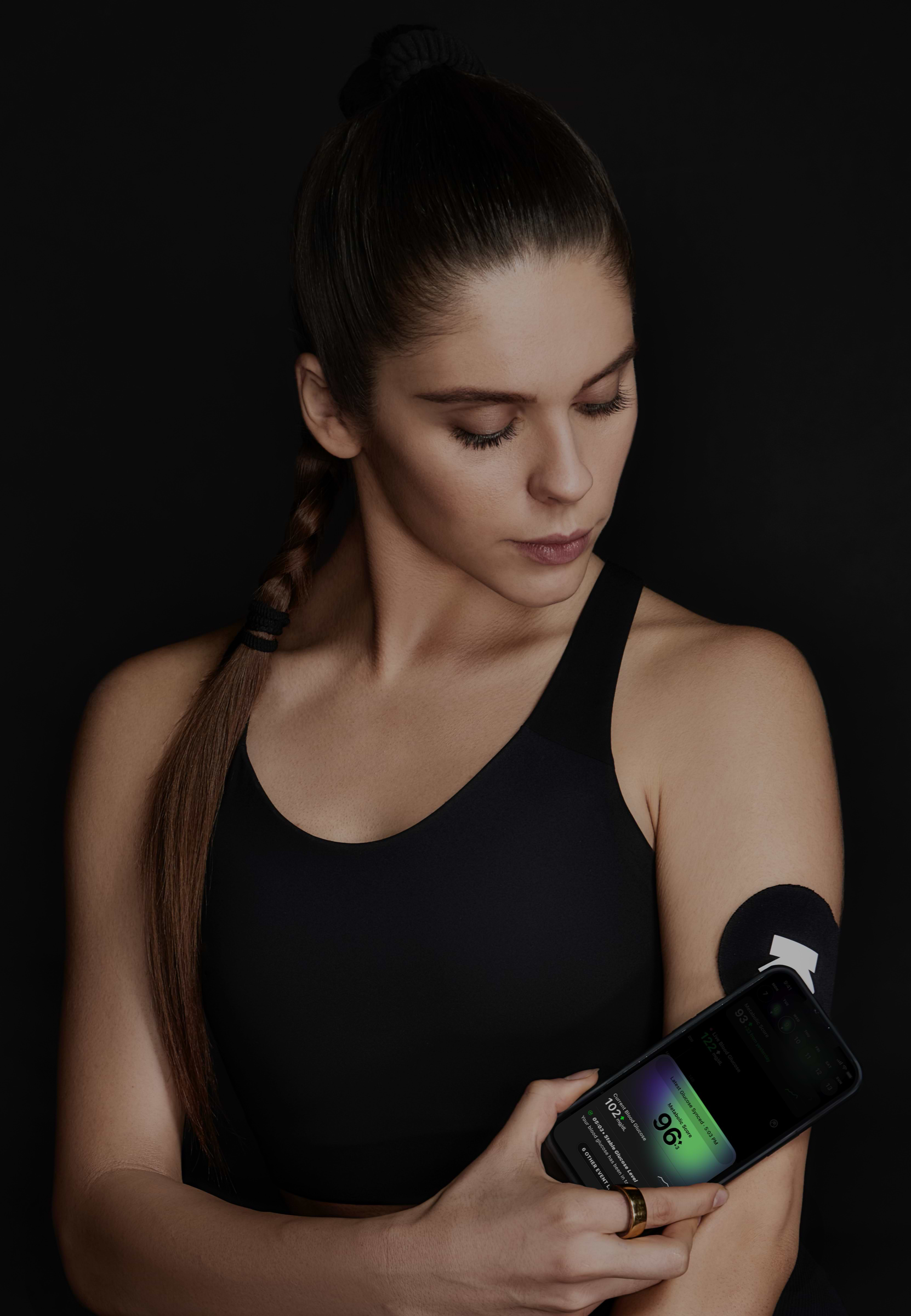
Ultrahuman M2 helps you measure the impact of food and activity on your body in real time through glucose as a biomarker.
Explore Ultrahuman M2Find Glucose response for your favourite foods
Explore OGDbYour cart is empty
Looks like you haven't added anything yet. Explore our products to get started.