

Introducing Pulsomics. Contribute to science. Learn MoreIntroducing Pulsomics. Contribute to science.
M2 Live is here. Continuous Glucose Tracking, no Rx
Introducing Pulsomics. Contribute to science. Learn MoreIntroducing Pulsomics. Contribute to science.
Ultrahuman Ring
Choose the ring built for you.

Performance Lab
Train, test and recover at our Bengaluru facility.


Science & Research

Curd, banana, badam, walnut, peanut butter (1 piece)
 Breakfast
116 mg/dL
avg. peak value
Usually causes a small spike
Avg. Food Score on Ultrahuman App
80%
Ultrahuman Users got a STABLE response
How to consume curd, banana, badam, walnut, peanut butter without glucose spikes
Portion Control
Limit the quantity of each food item you consume. Smaller portions can help in managing the glucose response.
Combine with Protein
Pair these foods with a protein source such as Greek yogurt, cottage cheese, or a boiled egg to help slow down glucose absorption.
Add Fiber
Include high-fiber foods like chia seeds or ground flaxseeds in your meal. Fiber can help moderate blood sugar levels.
Incorporate Vegetables
Add non-starchy vegetables like spinach, kale, or cucumbers to your meal to increase nutrient intake and fiber, reducing the glucose spike.
Opt for Whole Foods
Choose whole or minimally processed versions of these foods. For instance, use whole bananas instead of banana-flavored items.
Drink Water
Stay hydrated by drinking water before and with your meal to aid digestion and potentially reduce glucose spikes.
Timing Matters
Consume the combination of these foods as a part of a balanced meal rather than on an empty stomach to minimize spikes.
Watch the Peanut Butter
Select natural peanut butter without added sugars and be mindful of the serving size.
Choose Unripe Bananas
Opt for less ripe bananas, which have lower sugar content compared to fully ripe ones.
Exercise Regularly
Incorporate physical activity into your routine. A short walk after meals can help manage blood sugar levels effectively.

Discover
metabolic
health with M1
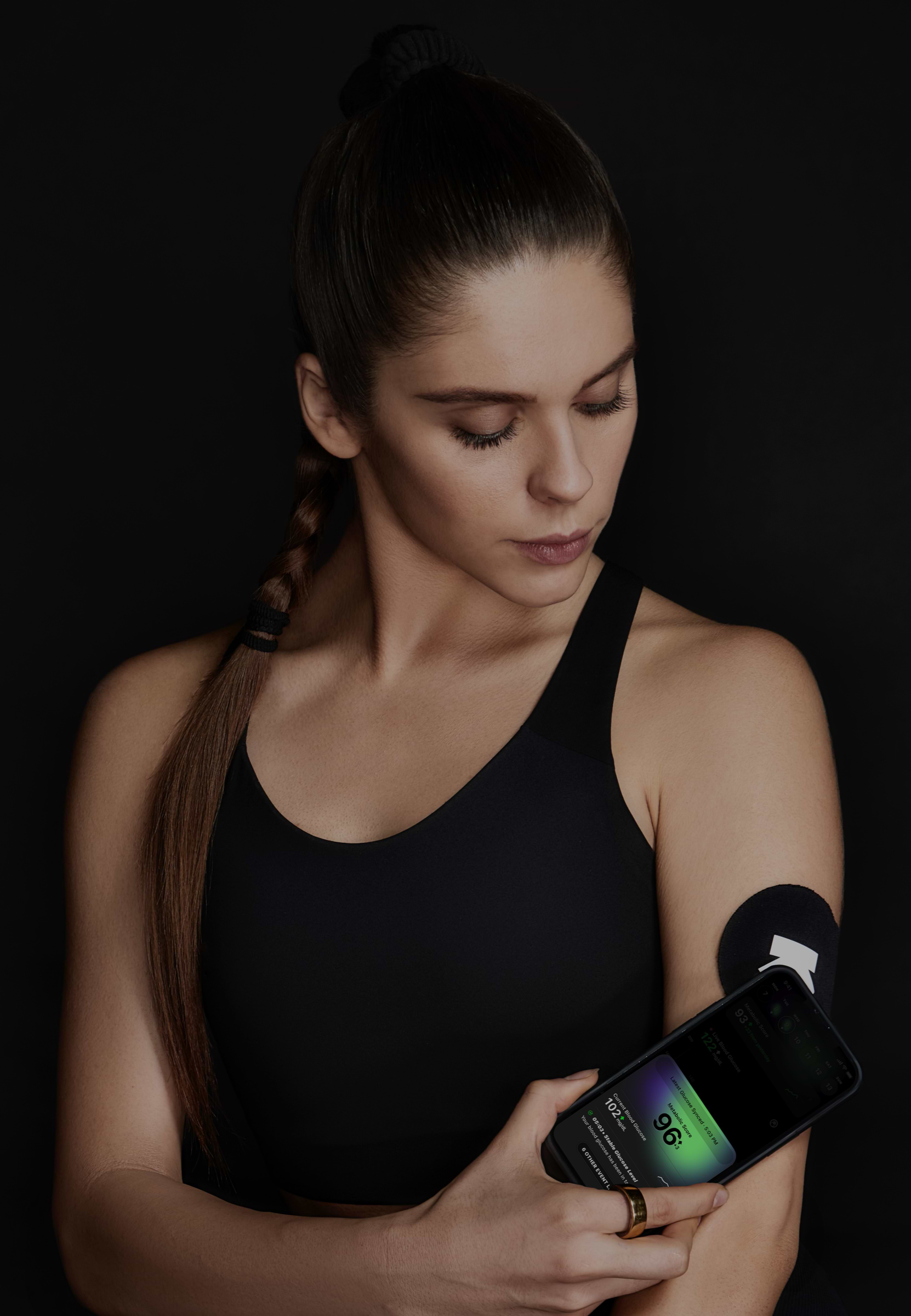
Ultrahuman M1 helps you measure the impact of food and activity on your body in real time through glucose as a biomarker.
Explore Ultrahuman M1Find Glucose response for your favourite foods
Explore OGDbYour cart is empty
Looks like you haven't added anything yet. Explore our products to get started.