
Loading...

Chicken Breast (100 G) and Greek Salad (1 Cup)

food-timeDinner

161 mg/dL

avg. peak value

Usually causes a small spike

6

Avg. Food Score on Ultrahuman App

67%

Ultrahuman Users got a STABLE response

How to consume Chicken Breast, Greek Salad without glucose spikes

Portion Control

Start by reducing the portion size of the chicken breast and Greek salad you consume. Smaller portions can lead to a smaller glucose response.

Add Healthy Fats

Include healthy fats such as avocado or a small serving of nuts like almonds or walnuts in your meal. These can slow down the absorption of glucose.

Incorporate More Fiber

Add a small serving of non-starchy vegetables such as broccoli, spinach, or kale to your meal. Fiber helps slow digestion and stabilize blood sugar levels.

Choose Low-Carb Dressings

Opt for dressings with low sugar content, such as olive oil and vinegar, or lemon juice with herbs, to avoid added sugars that can cause spikes.

Eat Protein First

Consume the chicken breast before the salad. Eating protein before carbohydrates can help moderate blood sugar levels.

Include Vinegar or Lemon

Adding vinegar or lemon juice to your salad can help improve insulin sensitivity and reduce glucose spikes.

Stay Hydrated

Drink water before your meal. Staying well-hydrated can aid digestion and help maintain stable blood sugar levels.

Chew Thoroughly

Take your time to chew food well. Slower eating can help control your intake and allow your body to better regulate blood sugar.

Opt for Complex Carbs

If you want to add more carbohydrates, consider including a small portion of quinoa or barley in your salad as they are digested slowly.

Monitor Meal Timing

Try to eat your meals at regular intervals to help maintain stable blood glucose levels throughout the day.

healthspan-mbl

Discover
metabolic
health with M1

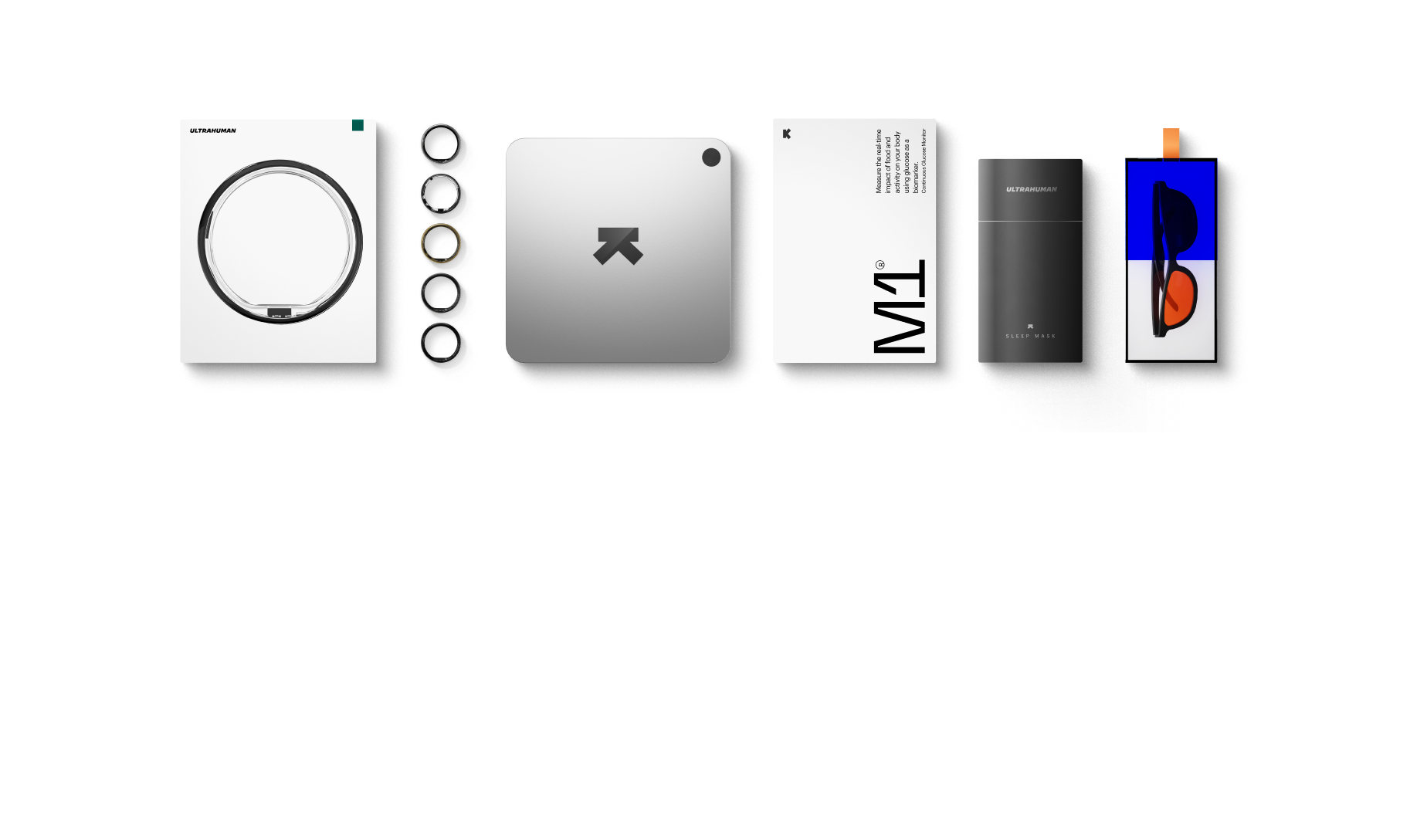
Ultrahuman M1 helps you measure the impact of food and activity on your body in real time through glucose as a biomarker.

Explore Ultrahuman M1

Find Glucose response for your favourite foods

Explore OGDb