

Roasted Chestnuts (1 10 Kernels)
 Dinner
119 mg/dL
avg. peak value
Usually causes a medium spike
Avg. Food Score on Ultrahuman App
Ultrahuman Users got an UNSTABLE response
How to consume Roasted Chestnuts without glucose spikes
Pair with Protein or Healthy Fat
Add a source of protein or healthy fat to your meal. Consider having roasted chestnuts with a handful of almonds or a piece of cheese to help stabilize blood sugar levels.
Increase Fiber Intake
Incorporate high-fiber foods such as vegetables or legumes. A salad with leafy greens, cucumbers, and cherry tomatoes can complement your roasted chestnuts and slow down the absorption of sugars.
Drink Water
Ensure you are well-hydrated by drinking a glass of water before and after consuming roasted chestnuts. This can help regulate blood sugar levels.
Eat in Smaller Portions
Reduce the portion size of roasted chestnuts to diminish their impact on your blood sugar levels. Enjoy them as a smaller snack rather than a main component of your meal.
Opt for a Balanced Snack
Combine roasted chestnuts with a small portion of yogurt or a boiled egg. This adds protein and reduces the likelihood of a spike.
Engage in Light Exercise
Take a short walk after eating roasted chestnuts. Physical activity can enhance insulin sensitivity and help with glucose management.
Choose Whole Grains
If you are including other carbs in your meal, opt for whole grain options like quinoa or barley, which can provide a slower release of sugars into your bloodstream.
Incorporate Vinegar
Add a splash of vinegar to your food, such as in a salad dressing. Vinegar has been known to help moderate blood sugar spikes.
Limit Added Sugars
Avoid adding any extra sugars or sweeteners to your roasted chestnuts, as this can heighten the glucose spike.
Monitor Timing
Pay attention to the time of day you consume roasted chestnuts. Eating them at a time when your body's insulin sensitivity is higher can be beneficial, such as earlier in the day.
Discover
metabolic
health with M1
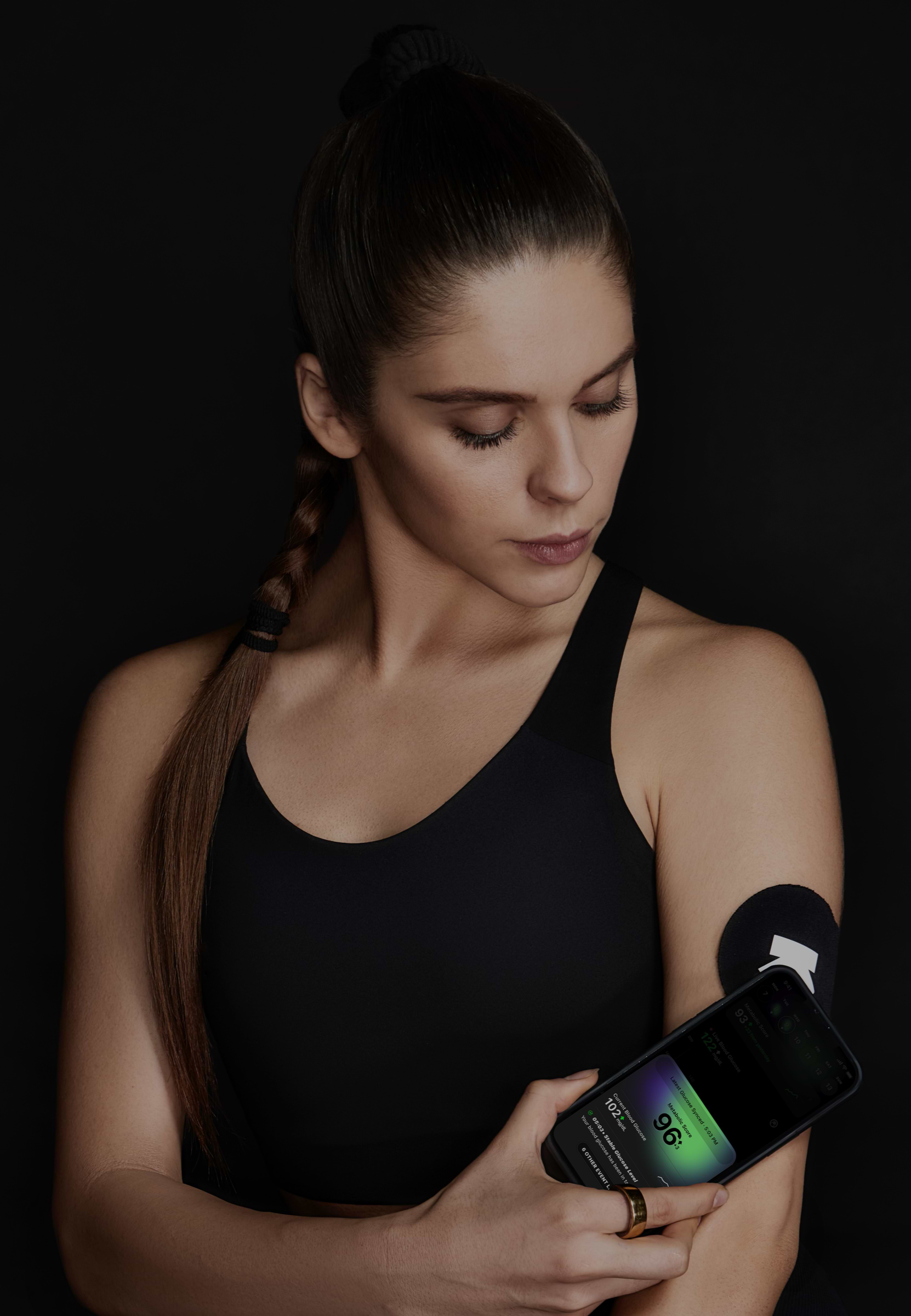
Ultrahuman M1 helps you measure the impact of food and activity on your body in real time through glucose as a biomarker.
Explore Ultrahuman M1Find Glucose response for your favourite foods
Explore OGDbYour cart is empty
Looks like you haven't added anything yet. Explore our products to get started.