

Your heart rate through a dance session
This is an ongoing study. The figure will be updated here as more people are recorded.
OPTICAL
Accuracy
90.2%
Dance Heart Rate Agreement
against an ECG chest strap worn for the same dancing (6 recordings, 4 subjects)
Reference standard
ECG chest strap
Sample size
4 participants
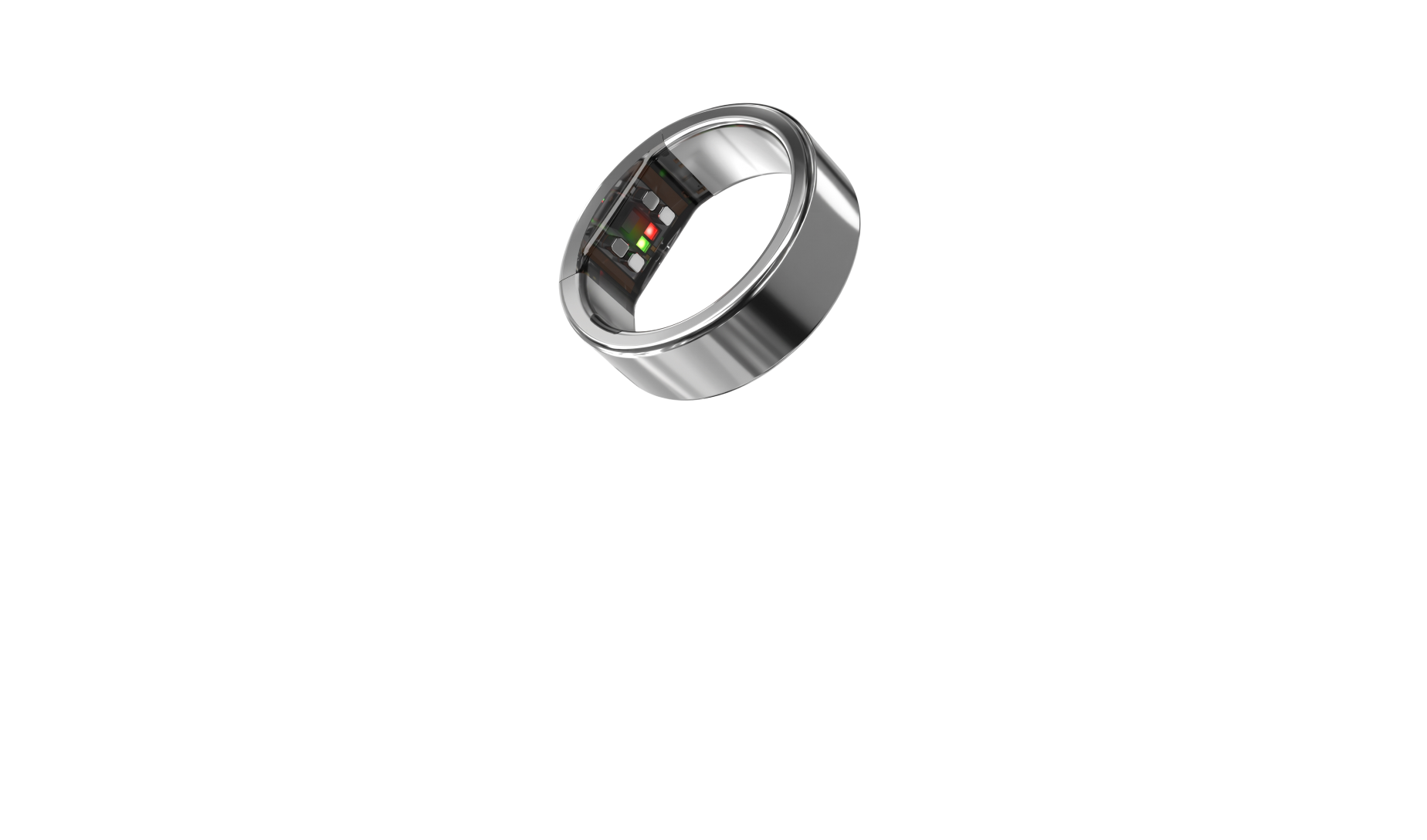
Through a session the Ultrahuman Ring reads within twelve beats a minute of an ECG chest strap, on average.
Ultrahuman RingECG chest strapbeats per minute
90.2%agreement with the chest strap
11.2 bpmaverage difference
62%of readings inside the ±5 bpm / 10% tolerance
76–153beats per minute the reference covered in study
Dancing puts together the two conditions optical sensors handle worst: a high heart rate and continuous, irregular arm movement. There is no cadence to model, because the point of the movement is that it keeps changing.
It is also unusually hard to measure fairly. A dance session has no flat stretches to retreat into — the effort is elevated from early on and stays there — so there is nowhere in the recording for a number to hide.