


Your heart rate on a cross-trainer
This is an ongoing study. The figure will be updated here as more people are recorded.
OPTICAL
Accuracy
90.4%
Elliptical Heart Rate Agreement
read alongside an ECG chest strap at the same machine (5 recordings, 4 subjects)
Reference standard
ECG chest strap
Sample size
4 participants
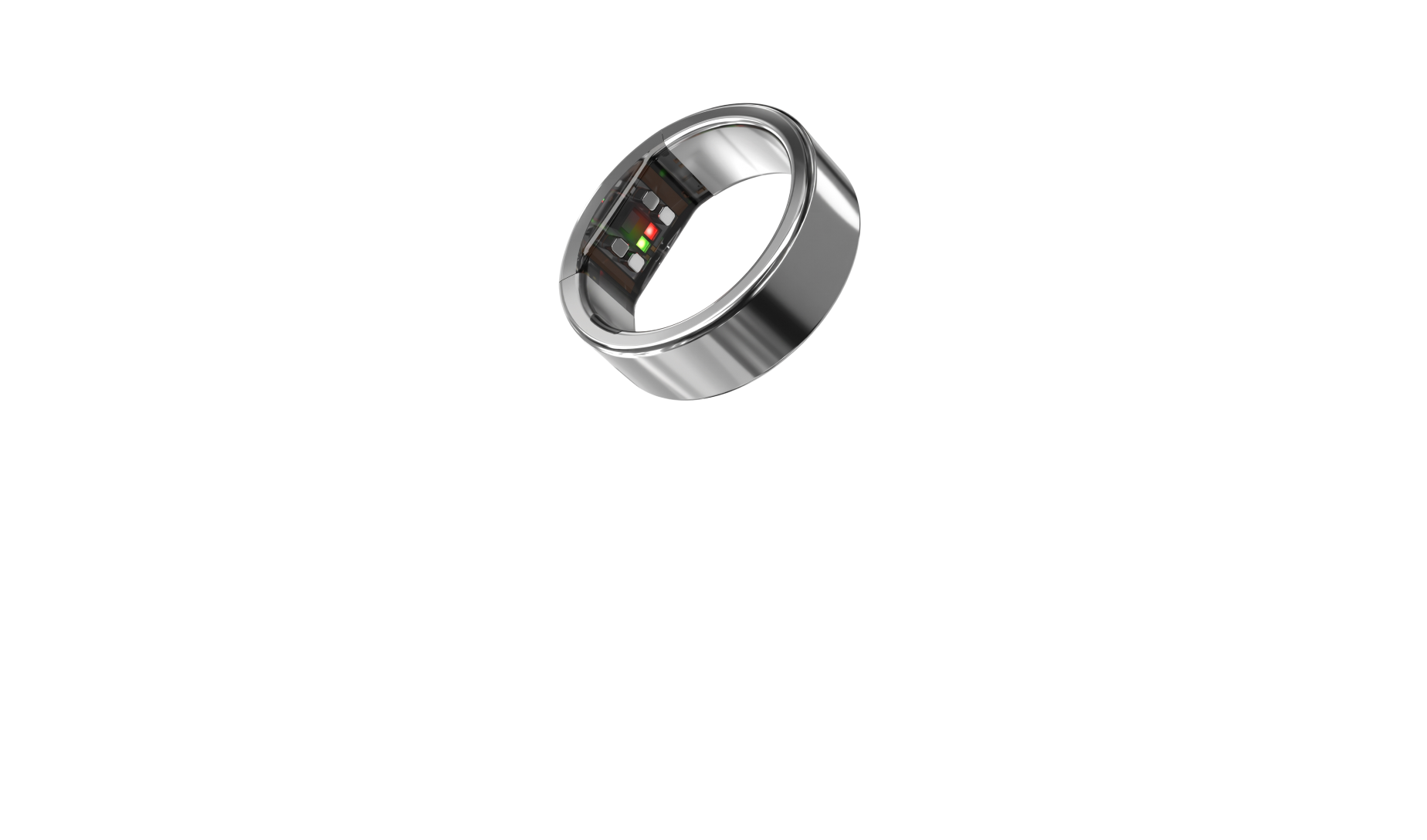
With the hands on the fixed handles of a cross-trainer, the Ultrahuman Ring reads within fourteen beats a minute of an ECG chest strap, on average.
Ultrahuman RingECG chest strapbeats per minute
90.4%agreement with the chest strap
13.1 bpmaverage difference
65%of readings inside the ±5 bpm / 10% tolerance
76–172beats per minute the reference covered in study
An elliptical is really two machines, and this figure is for one of them: the hands resting on the fixed grips, where it behaves like an indoor bike — quiet, steady, easy to read. Driving the moving levers is the other machine and a separate measurement problem, closer to rowing, with the arms pushing and pulling at almost exactly the rhythm a pulse would have.
Even on the fixed grips the hands are never quite still: the frame carries the stride back up through the arms, so a sensor reading from a finger is working through a vibration a bike never sends it.
Which is why this card lands where the two cycling cards do rather than above them. A cross-trainer is no easier to read than a bike.