



Your heart rate walking uphill
This is an ongoing study. The figure will be updated here as more people are recorded.
OPTICAL
Accuracy
92.0%
Hiking Heart Rate Agreement
side by side with an ECG chest strap along the same trail (5 recordings, 4 subjects)
Reference standard
ECG chest strap
Sample size
4 participants
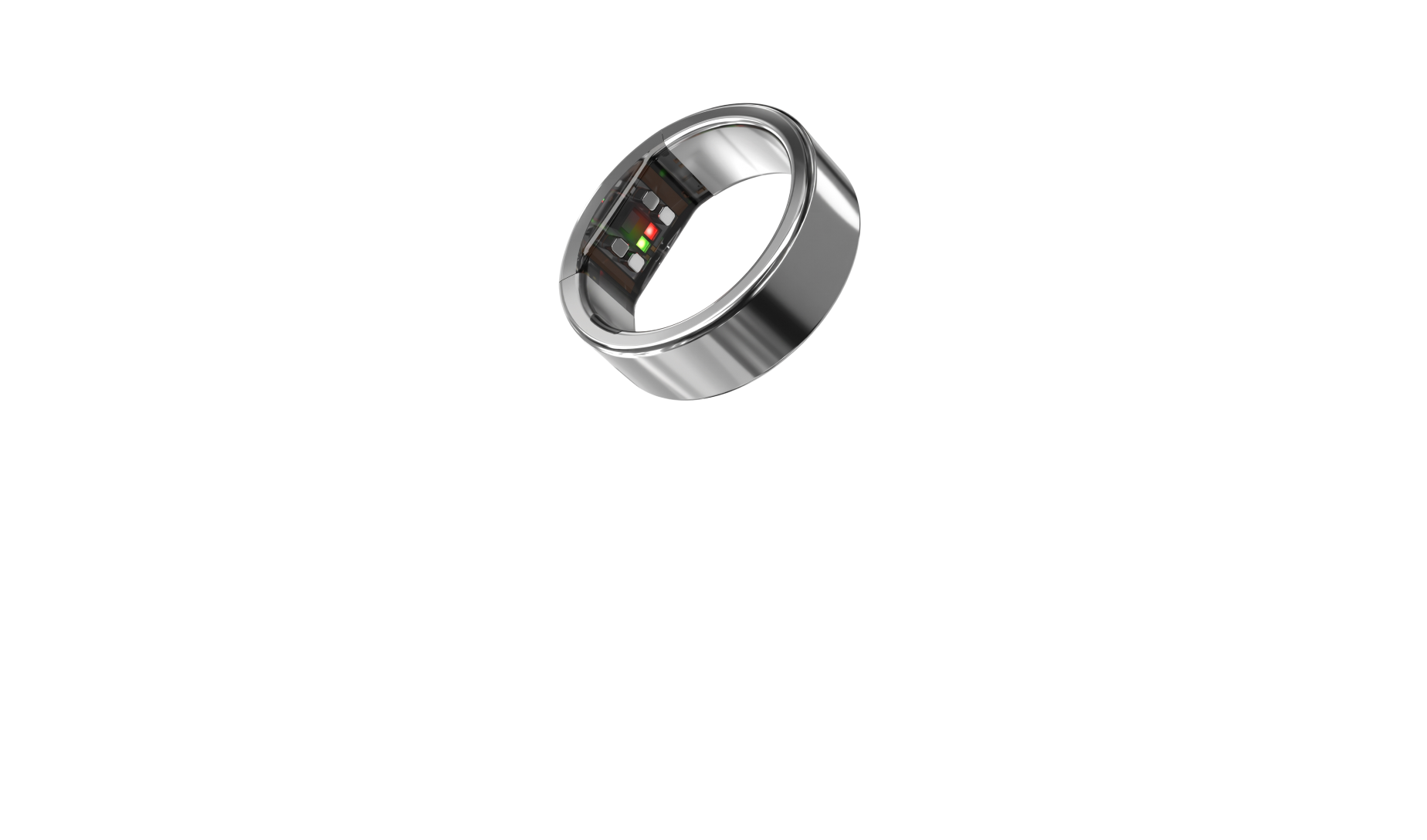
Walking uphill, the Ultrahuman Ring reads within nine beats a minute of an ECG chest strap, on average.
Ultrahuman RingECG chest strapbeats per minute
92.0%agreement with the chest strap
8.8 bpmaverage difference
71%of readings inside the ±5 bpm / 10% tolerance
67–179beats per minute the reference covered in study
A climb ought to be the friendliest thing you can measure outdoors. The effort is sustained, the rhythm is steady, and your hands are doing very little — which is the combination an optical sensor handles best.
What a trail adds is undulation. The gradient changes under you, you step up and over things, you break stride for a rock or a gate, and your heart rate answers each of those, which is a demand a treadmill never makes of it. That is why this sits below the outdoor walking card rather than above it.
Hiking is rarely covered in published wearable heart-rate validation, which is why it is measured here.