



Your heart rate through a hard interval
OPTICAL
Accuracy
90.1%
HIIT Heart Rate Agreement
compared with an ECG chest strap across the same intervals (43 subjects)
Reference standard
ECG chest strap
Sample size
43 participants
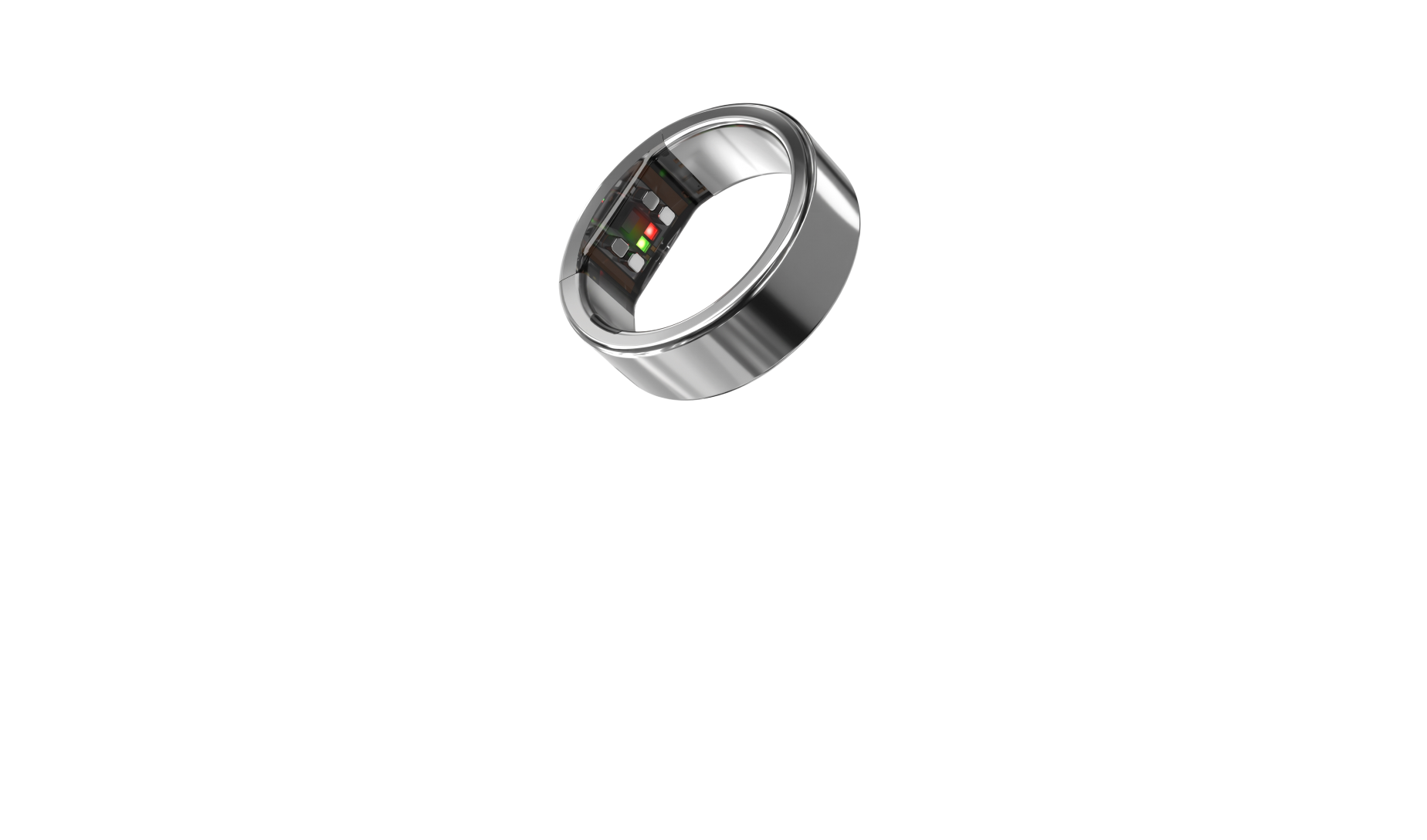
Through a hard interval and the recovery after it, the Ultrahuman Ring stays within thirteen beats a minute of an ECG chest strap, on average.
Ultrahuman RingECG chest strapbeats per minute
90.1%agreement with the chest strap
12.2 bpmaverage difference
+4.1 bpmthe ring reads high, on average
73–177beats per minute the reference covered in study
Intervals are designed to make your heart rate move as fast as it possibly can. A hard effort drives it up by dozens of beats in well under a minute, and the recovery pulls it back down almost as quickly. An optical reading is smoothed over a few seconds, so the faster the number is travelling, the more work it takes to stay on it. What this card asks for is a quick reading rather than a steady one.
The trace below is one hard block. It opens at an easy pace, jumps as the effort lands, holds through a working stretch, then climbs hard towards the top. The Ultrahuman Ring reproduces the whole shape, corners included.
Where a difference opens up at all, it is on the steepest ramps, where the number is travelling fastest, and it closes again on the plateaus either side. A gap that opens on the ramps and closes on the plateaus points to a reading following the change rather than one that has drifted off it.