


Your heart rate through a game of pickleball
This is an ongoing study. The figure will be updated here as more people are recorded.
OPTICAL
Accuracy
88.2%
Pickleball Heart Rate Agreement
measured against an ECG chest strap through the same games (2 recordings, 2 subjects)
Reference standard
ECG chest strap
Sample size
2 participants
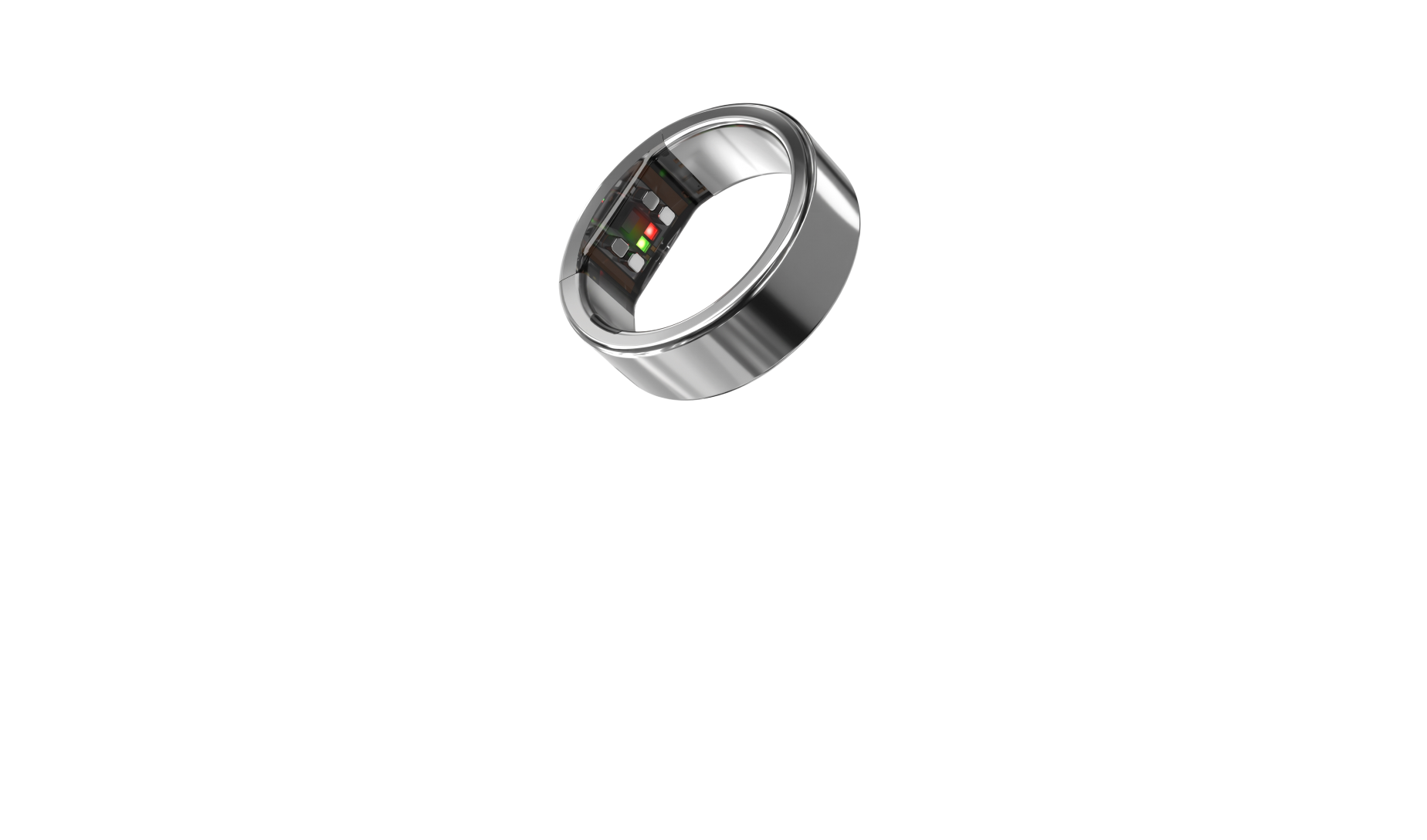
Through a match the Ultrahuman Ring reads within fifteen beats a minute of an ECG chest strap, on average.
Ultrahuman RingECG chest strapbeats per minute
88.2%agreement with the chest strap
14.8 bpmaverage difference
61%of readings inside the ±5 bpm / 10% tolerance
71–157beats per minute the reference covered in study
Pickleball puts its difficulty in the feet rather than the hands. The paddle is light and it is held loosely, which asks less of a finger than a bat carried through a long rally — so for once the hard part is the court rather than the grip. A point is a few seconds of pushing off, stopping and turning again inside a very small space, and then it is over and the next one starts from standing.
Through play the ring reads low against the chest strap rather than scattering either side of it. That is the signature of a court sport: when an optical reading loses its hold during a burst it is pulled towards the rhythm of the body — the shuffle, the split step, the reset between points — and that rhythm runs slower than the pulse driving it. A difference with a direction to it is worth more than one without, because it tells you which way to read the number.
It is also measured at a moderate heart rate rather than a high one, which is the harder place to be measured. Because agreement is percentage-based, the same difference in beats a minute matters more at a lower heart rate. A 10 bpm gap at 60 bpm, for example, counts more than a 10 bpm gap at 150 bpm.