



Your heart rate on a road run
OPTICAL
Accuracy
91.5%
Outdoor Running Heart Rate Agreement
paired with an ECG chest strap on the same road run (8 recordings, 6 subjects)
Reference standard
ECG chest strap
Sample size
6 participants
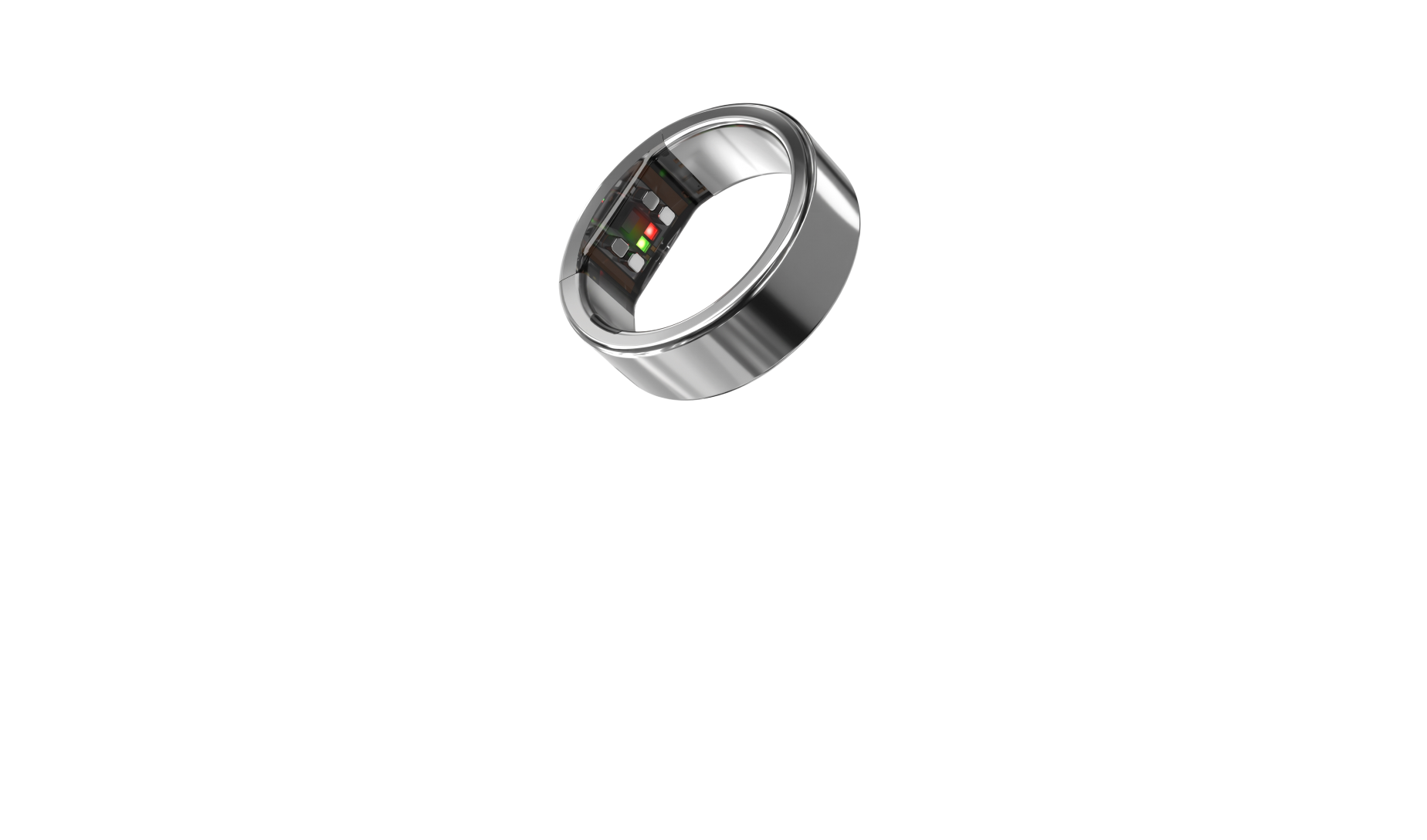
On a self-paced road run the Ultrahuman Ring stays within ten beats a minute of an ECG chest strap, on average.
Ultrahuman RingECG chest strapbeats per minute
91.5%agreement with the chest strap
9.4 bpmaverage difference
0.84how closely the two move together
97–124beats per minute the reference covered in study
A road run is never one steady thing. Your pace drifts with the gradient, your stride changes on uneven ground, and cold air pulls blood away from the hands and feet to protect your core, which is precisely where the sensor is reading from. All of it has to be handled while your arm is still swinging at stride rate.
Set against the chest strap reading by reading, the difference lands on one side rather than scattering either way: through the run the Ultrahuman Ring reads about 9.4 beats a minute above the strap. A difference that keeps one direction is a sign the sensor is following the physiology; an average that happens to come out small is not.
All of it was recorded on the road in ordinary conditions rather than in a laboratory, with an ECG chest strap worn at the same time.