



Your heart rate climbing stairs
This is an ongoing study. The figure will be updated here as more people are recorded.
OPTICAL
Accuracy
91.8%
Stair Climbing Heart Rate Agreement
against an ECG chest strap worn up and down the same flights (9 recordings, 4 subjects)
Reference standard
ECG chest strap
Sample size
4 participants
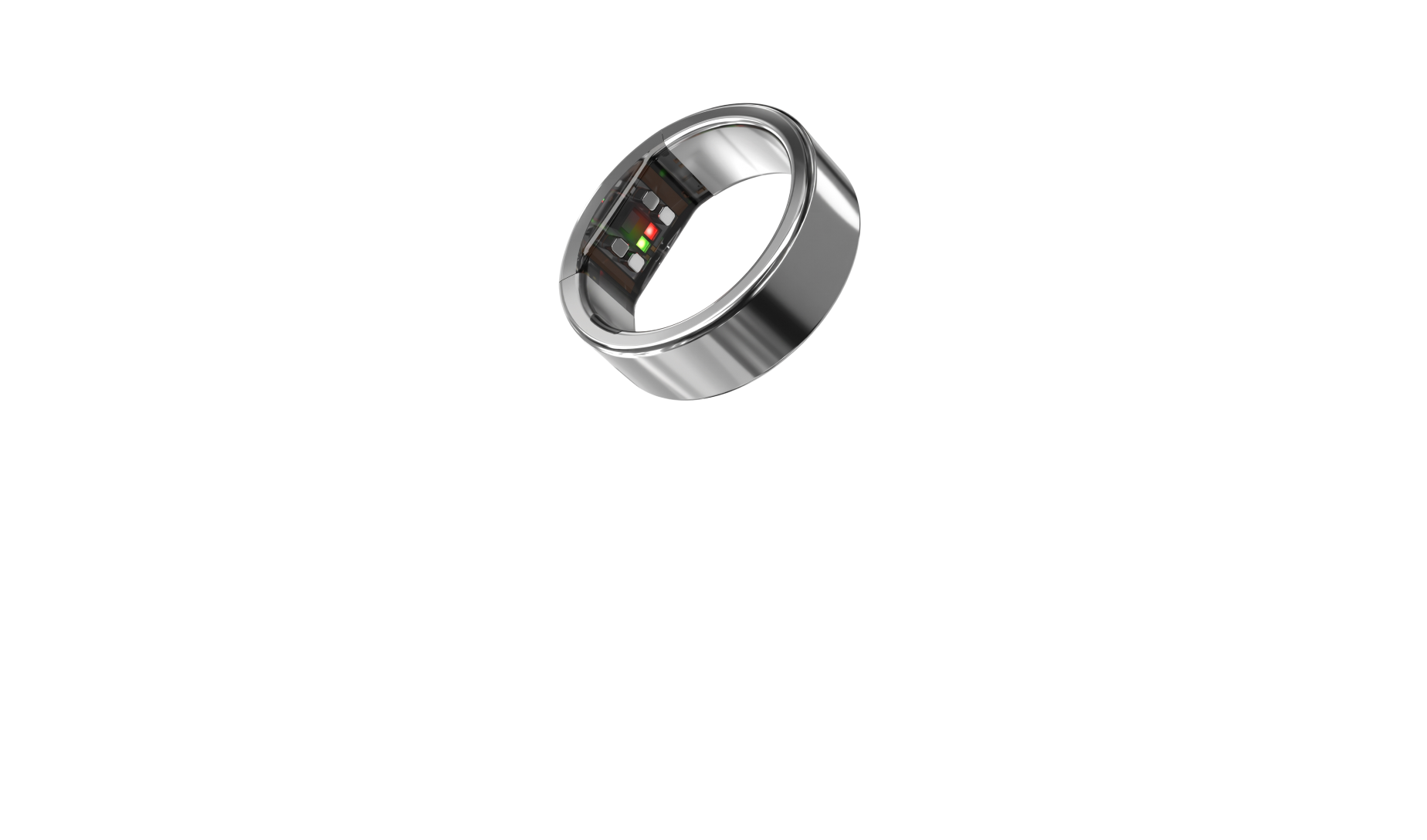
Climbing stairs, the Ultrahuman Ring reads within nine beats a minute of an ECG chest strap, on average.
Ultrahuman RingECG chest strapbeats per minute
91.8%agreement with the chest strap
8.4 bpmaverage difference
72%of readings inside the ±5 bpm / 10% tolerance
57–159beats per minute the reference covered in study
Stairs are a short, sharp effort, and that is the whole difficulty. Your heart rate can climb thirty beats in half a minute and fall most of the way back before you reach the next landing. An optical sensor averages several seconds of pulse to produce each reading, so on a staircase it is always arriving slightly late — and arriving late is hard to tell apart from being wrong.
The trace below shows that clearly: the two lines climb and fall together, with the ring a beat behind at each corner rather than adrift from it. Following the shape is the thing worth doing here; the average difference mostly measures the lag. Anyone can check it with a stairwell and a chest strap.