



Your heart rate through a game of table tennis
This is an ongoing study. The figure will be updated here as more people are recorded.
OPTICAL
Accuracy
88.7%
Table Tennis Heart Rate Agreement
read alongside an ECG chest strap during match play (8 recordings, 4 subjects)
Reference standard
ECG chest strap
Sample size
4 participants
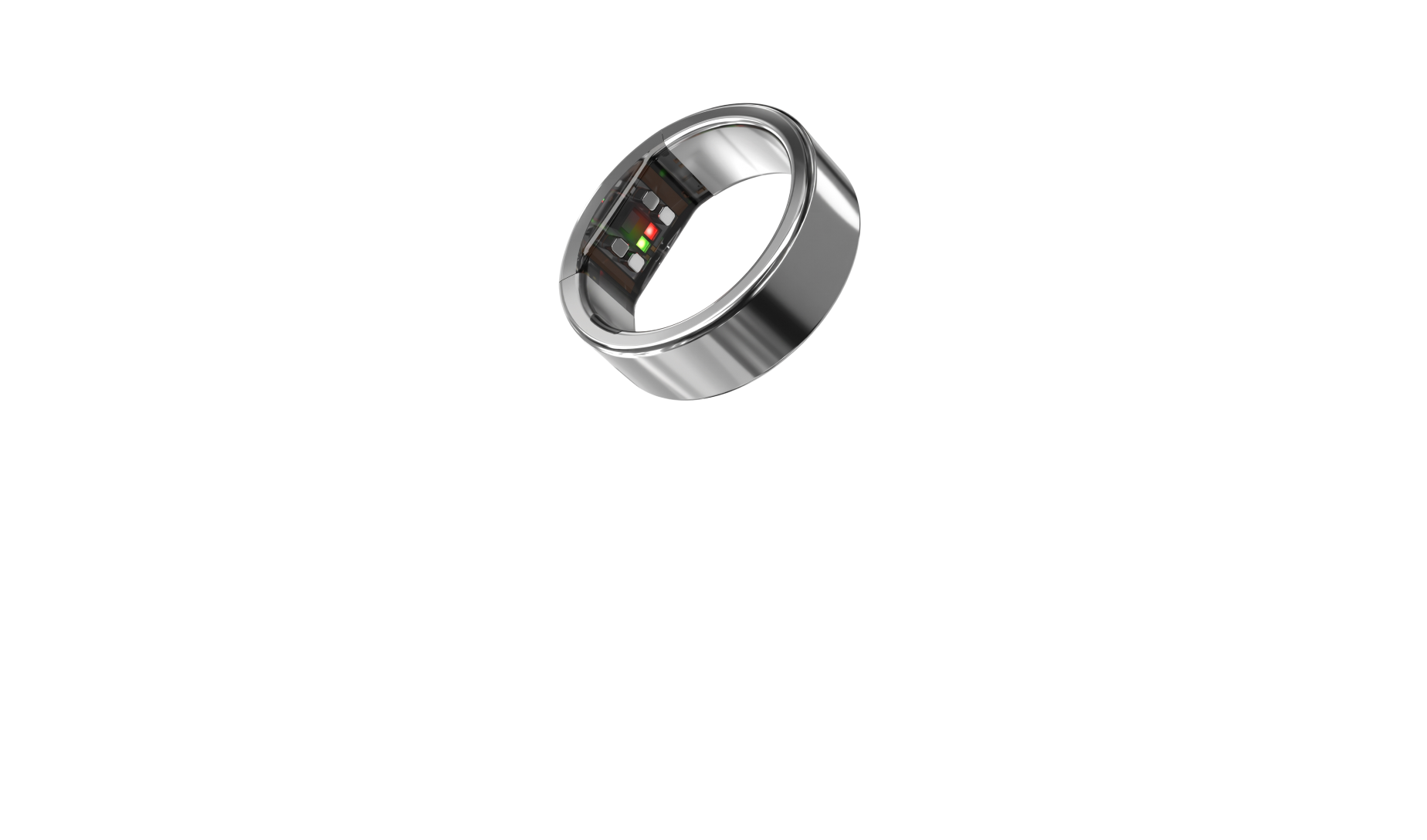
Through a game the Ultrahuman Ring reads within twelve beats a minute of an ECG chest strap, on average.
Ultrahuman RingECG chest strapbeats per minute
88.7%agreement with the chest strap
11.3 bpmaverage difference
62%of readings inside the ±5 bpm / 10% tolerance
69–146beats per minute the reference covered in study
Table tennis separates the two things that trouble an optical sensor instead of combining them. Your heart rate stays moderate, but your hand moves faster here than in almost any other sport — so this measures hand movement on its own, with the effort held down.
Grip is the other half. Closing your hand around a bat presses on the sensor’s blood supply, and it does so for the whole rally rather than in bursts. Steady pressure underneath, sharp movement on top — the reading has to hold through both at once.
The faster the rally, the more of what reaches the sensor is hand rather than heart, which is exactly what this card is built to test.