


Your heart rate as you start walking
OPTICAL
Accuracy
93.7%
Indoor Walking Heart Rate Agreement
with an ECG chest strap reading the same treadmill walk (43 subjects)
Reference standard
ECG chest strap
Sample size
43 participants
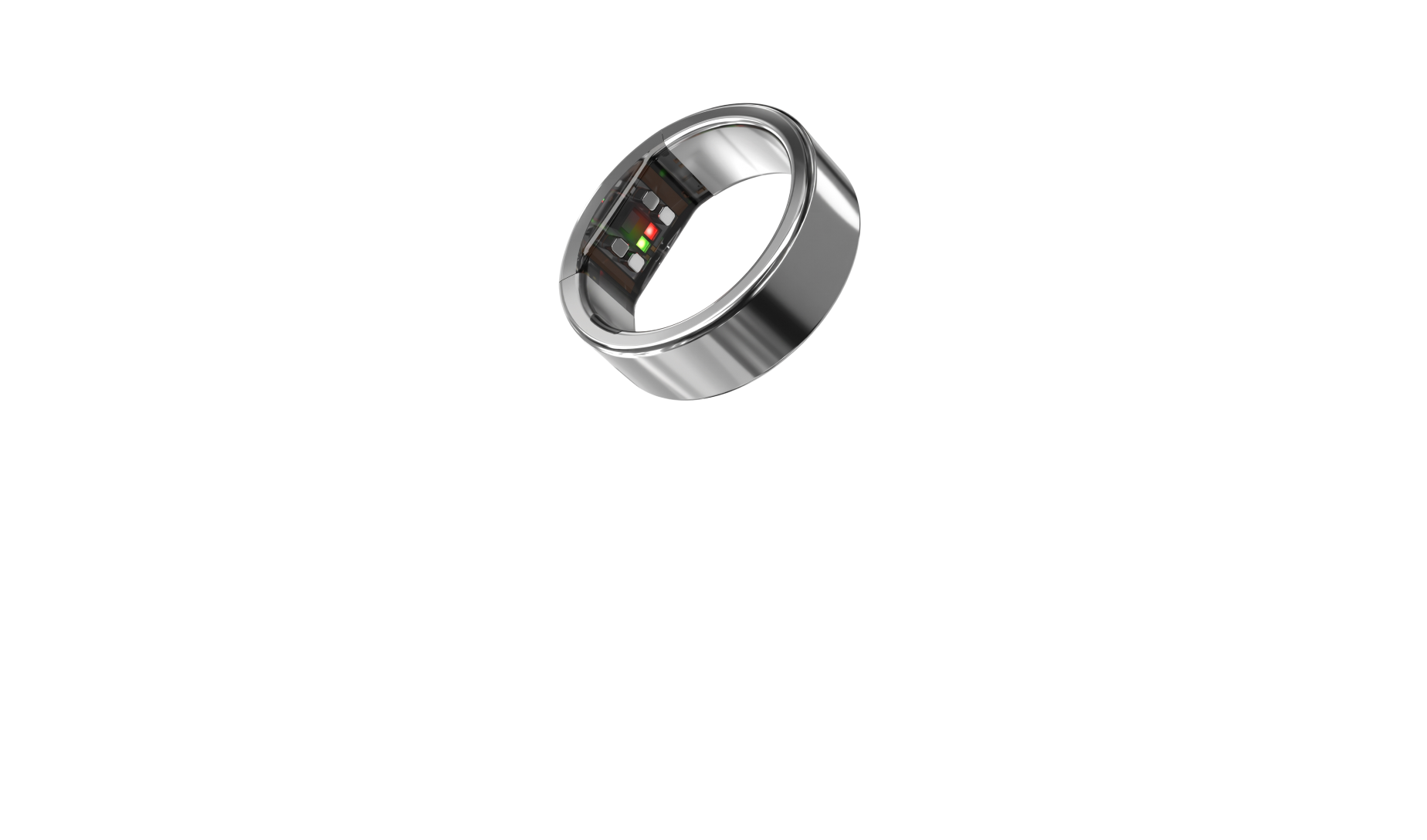
Going from standing still into a walk, the Ultrahuman Ring stays within five beats a minute of an ECG chest strap, on average.
Ultrahuman RingECG chest strapbeats per minute
93.7%agreement with the chest strap
4.4 bpmaverage difference
+3.0 bpmthe ring reads high, on average
56–107beats per minute the reference covered in study
A walk begins with a transition. You go from standing to moving, your heart rate climbs to meet the new demand, and your hand starts swinging at the same instant, so the signal changes and the noise arrives together. Catching a transition cleanly is a different test from holding a steady number.
The trace below spans the change rather than the settled part. The Ultrahuman Ring resolves the whole climb and locks onto the new level alongside the reference.
A reading built from the last few seconds of pulse lands a moment after a sharp change. What matters is how brief that moment is and how cleanly the reading settles afterwards, and both are visible in the chart.