


Your heart rate under the bar
OPTICAL
Accuracy
89.2%
Traditional Strength Training Heart Rate Agreement
against an ECG chest strap worn for the same session (65 recordings, 44 subjects)
Reference standard
ECG chest strap
Sample size
44 participants
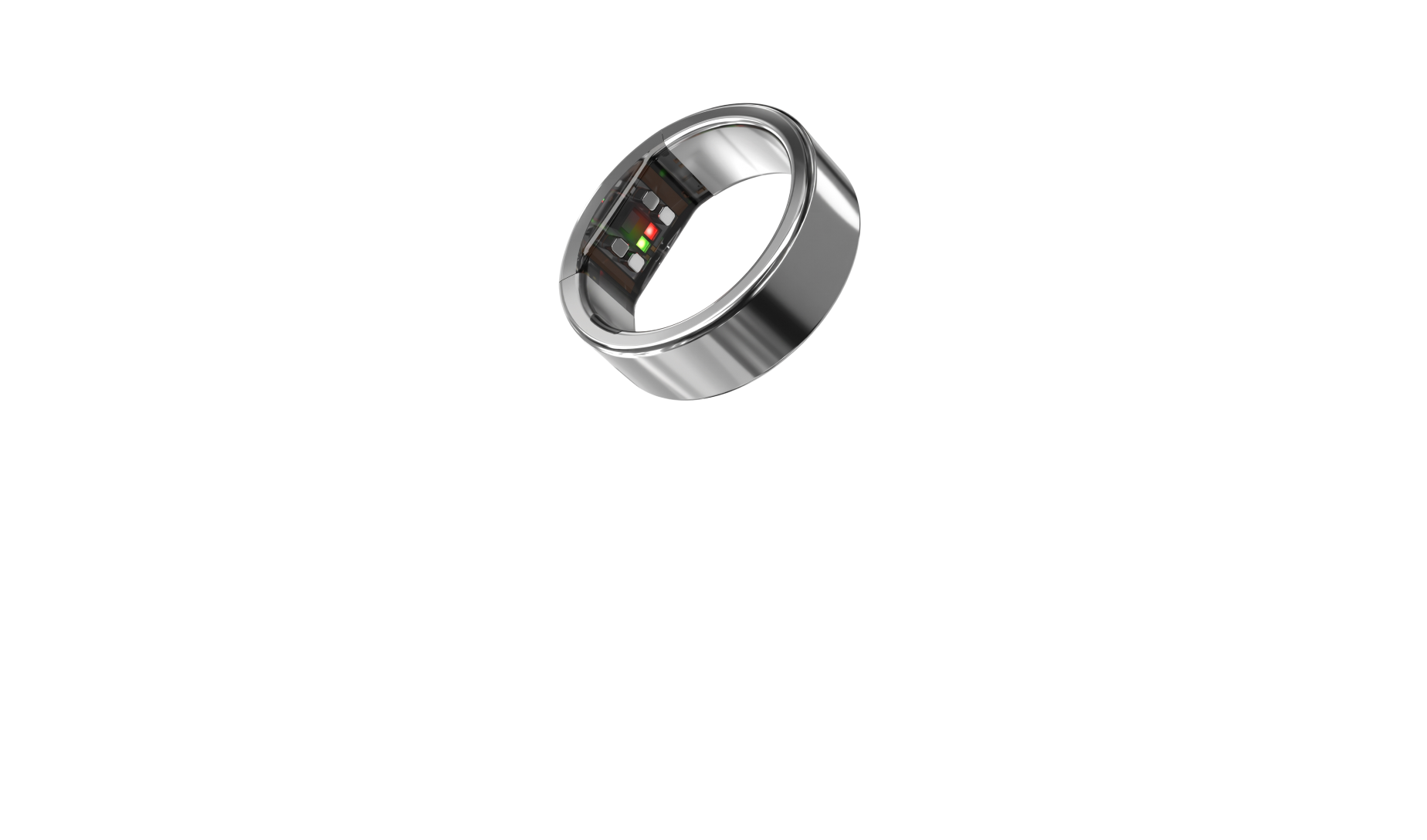
Through a weights session the Ultrahuman Ring stays within twelve beats a minute of an ECG chest strap, on average.
Ultrahuman RingECG chest strapbeats per minute
89.2%agreement with the chest strap
11.2 bpmaverage difference
−8.8 bpmthe ring reads low, on average
63–157beats per minute the reference covered in study
Weightlifting is the case a ring feels most directly. Gripping a bar tenses the whole forearm, and those contracting muscles press on the small vessels running down into the hand, so the pulse arriving at the fingertip changes shape at the exact moment the effort peaks. The sensor is sitting downstream of the very muscles doing the work.
These are real gym sessions rather than a laboratory circuit, and the shape shows it: your heart rate saws up through each set and drops away through each rest. The Ultrahuman Ring tracks every one of those swings.
What matters through a session like this is whether the peaks land where they belong, because the peaks are what an effort score and a training load are built from.