

Your heart rate through a yoga class
This is an ongoing study. The figure will be updated here as more people are recorded.
OPTICAL
Accuracy
94.5%
Yoga Heart Rate Agreement
checked against an ECG chest strap across a full class (6 recordings, 4 subjects)
Reference standard
ECG chest strap
Sample size
4 participants
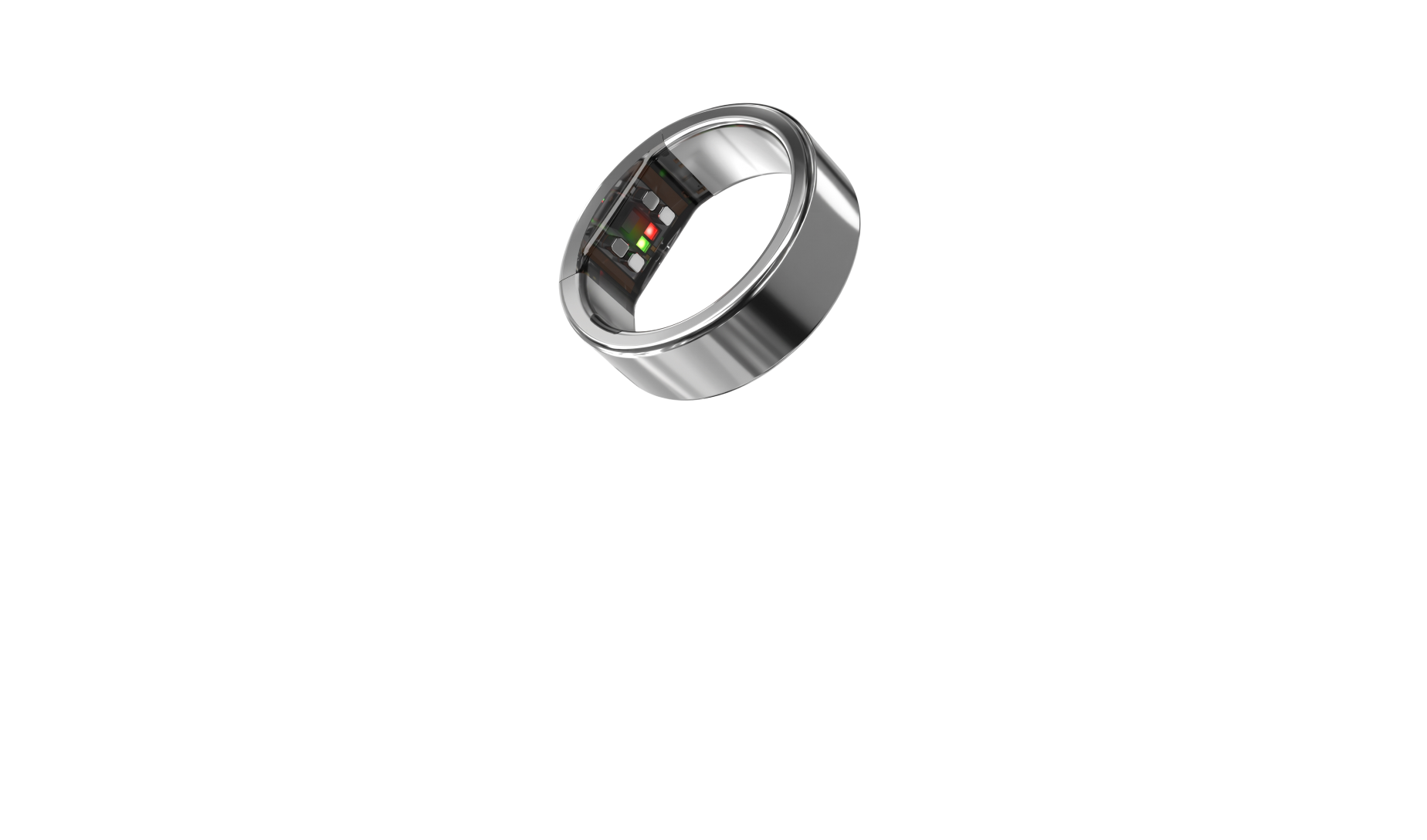
Through a class the Ultrahuman Ring reads within five beats a minute of an ECG chest strap, on average.
Ultrahuman RingECG chest strapbeats per minute
94.5%agreement with the chest strap
5.0 bpmaverage difference
86%of readings inside the ±5 bpm / 10% tolerance
61–156beats per minute the reference covered in study
Yoga looks like the easy case and is not. Your heart rate stays low and your hands are often still, which suits an optical sensor — but in plank, in downward dog, in any arm balance, your hand is carrying your body weight. Pressing a finger into a mat changes what the sensor can see through it, and that is a problem a watch on your wrist never has to solve.
The trace below runs through a sequence rather than a hold. The reference climbs as the standing poses arrive and settles again through the floor work, and the ring follows both moves.
Of everything on this page that puts your body weight through your hands, this is the figure the ring reads most closely. Holding a shape is harder to read than holding still.