
Your fitness, against a laboratory exercise test
OPTICALMOTION
Accuracy
89%
VO₂max Agreement
against a laboratory cardiopulmonary exercise test (101 subjects)
Reference standard
Laboratory exercise test
Sample size
101 participants
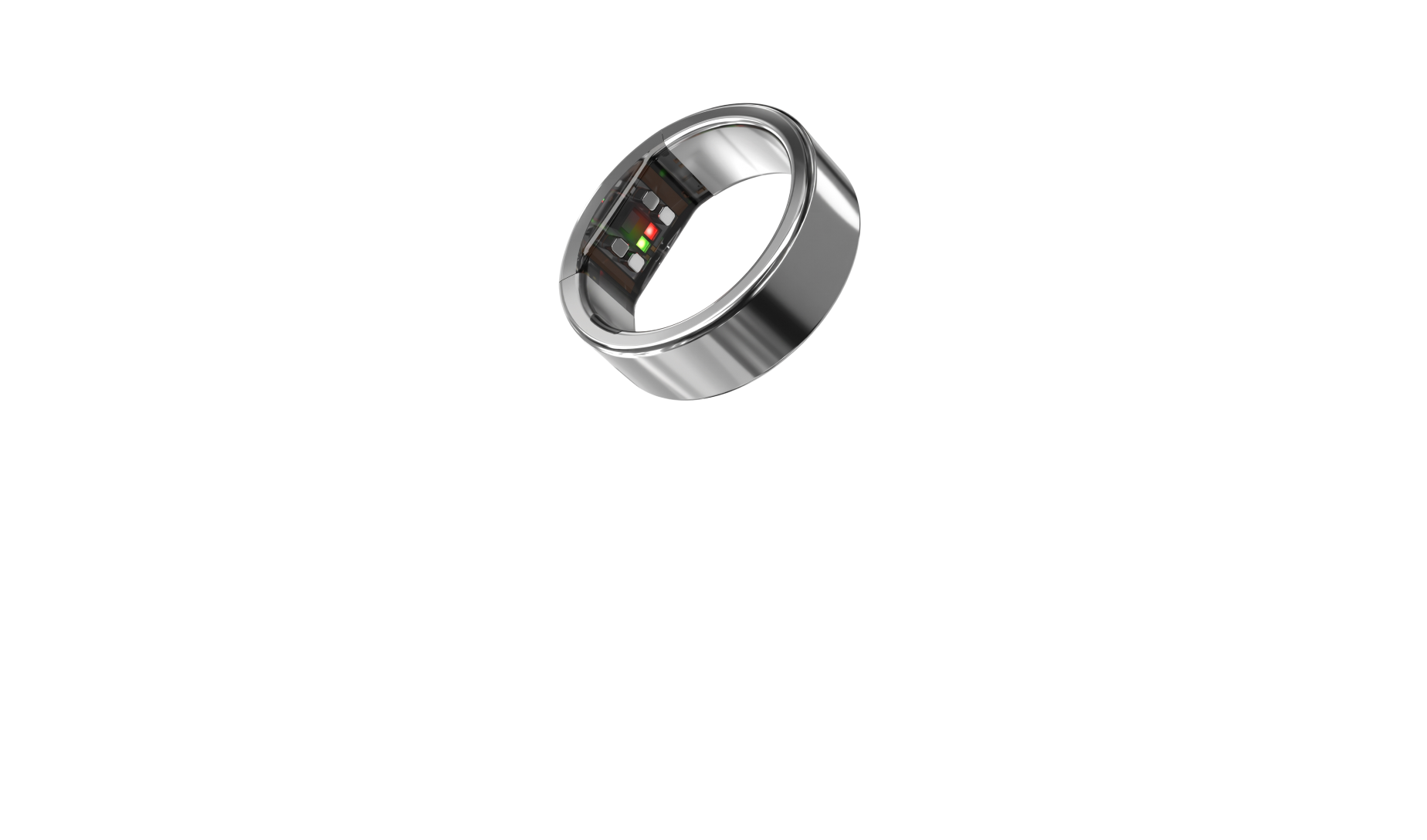
The Ultrahuman Ring’s fitness estimate lands about 4.7 points, on average, from a full clinical exercise test, closer than all five published prediction formulas run on the same participants.
4.68points from the laboratory test, on average
0.79how closely the two move together
60%of participants within 5 points
5 of 5published formulas beaten
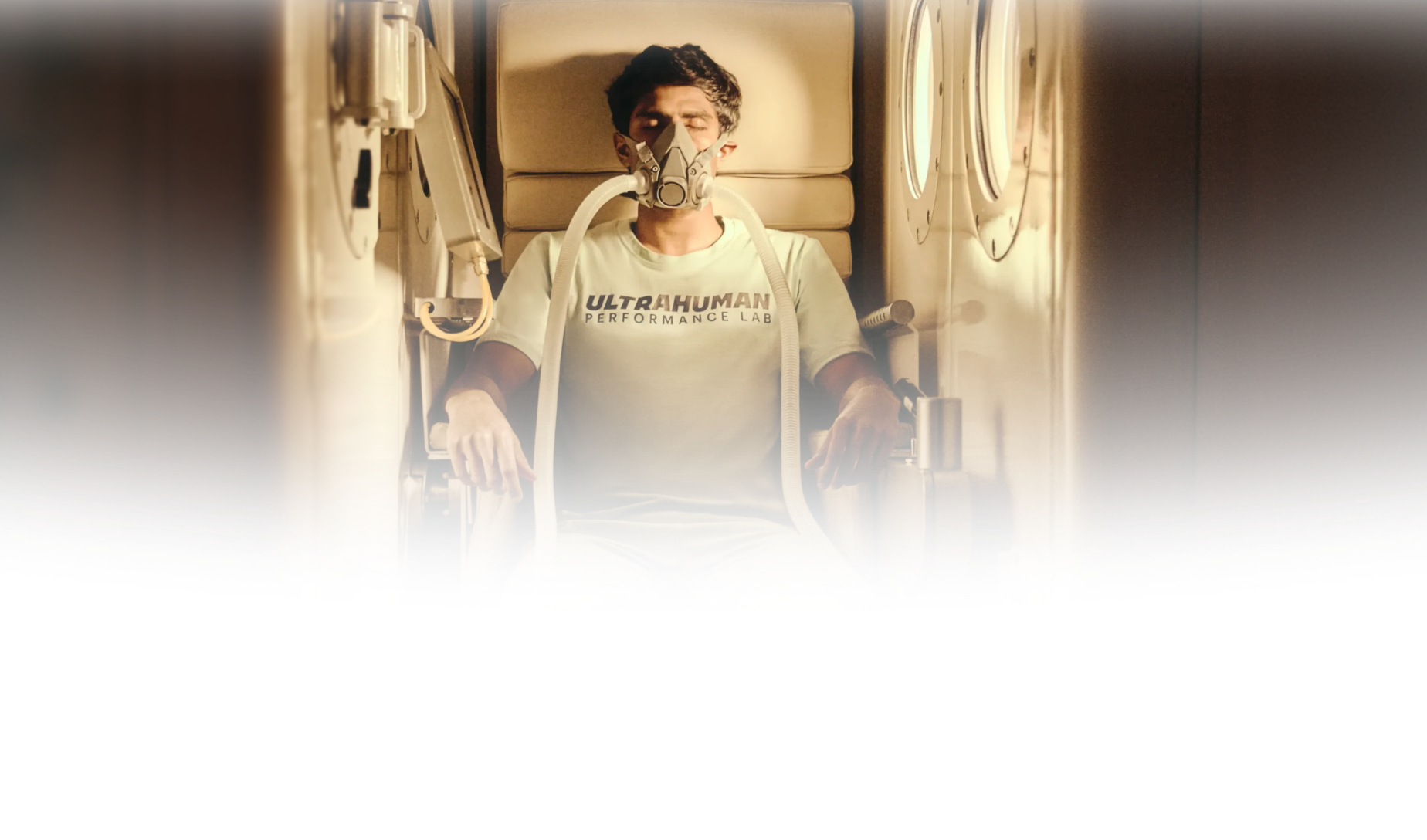
VO₂max is the largest amount of oxygen the body can take in, carry and burn in a single minute of all-out effort. Measuring it properly means running or cycling to exhaustion, on a treadmill or an exercise bicycle, while a mask captures every breath, because the ceiling only shows itself at the moment the heart, lungs and muscles run out of room together. Reaching that point is difficult to pin down outside a laboratory, which is why the Ultrahuman Ring has to read it from how the body behaves the rest of the time.
Against that reference the Ultrahuman Ring’s estimate was typically 4.68 points away, across people whose measured fitness ran from 21.6 to 66.1. The scatter puts one dot on every participant, the laboratory value across and the Ultrahuman Ring estimate up, with the line fitted through all 101. Below it the same participants appear as the gap between the two numbers, an average difference of 0.40 points below the laboratory value, with 95% of them inside a band running from 12.4 points under the laboratory value to 11.6 points over it.
The useful comparison is against what else can be done without a laboratory. Five published prediction formulas, run on the same participants, landed between 6.2 and 10.6 points away, and the Ultrahuman Ring came closer than all five while responding to real differences in fitness about 1.7 times more strongly than the nearest of them. The estimate is built from overnight resting heart rate, daily activity and demographics, with no sensing during the test itself.