



The same answer from two other devices
OPTICAL
Accuracy
2.4 bpm
Average Difference From an FDA-Cleared Sleep Device
and 2.6 bpm from a consumer smartwatch, across full nights (36 nights, 6 subjects)
Reference standard
FDA-cleared sleep device
Sample size
Based on 2,349 paired readings
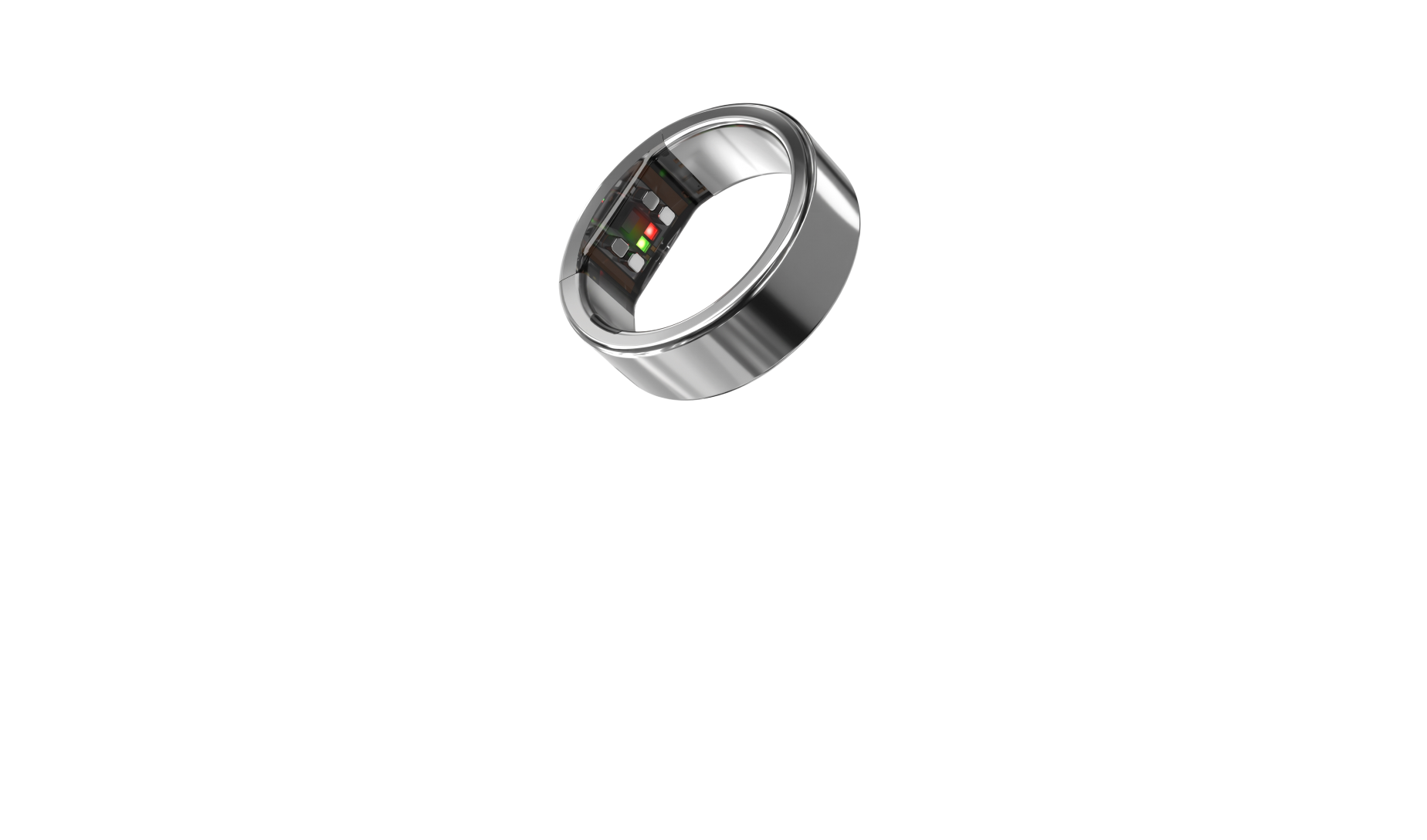
Across full nights, the Ultrahuman Ring sits within three beats a minute, on average, of an FDA-cleared sleep device and of a consumer smartwatch alike.
A single comparison can flatter a device. Two instruments can agree closely because both are right, or because both are wrong in the same direction, and the only way to tell them apart is to bring in a third that works on a different principle. The Ultrahuman Ring has been put beside an FDA-cleared sleep device and a consumer smartwatch as well as an ECG chest strap.
Both comparisons land in the same place. Against the FDA-cleared device the average gap is 2.4 beats a minute, and against the smartwatch 2.6. Every reading in both comparisons sits in one tight band that holds its width from the slowest sleeping heart rates to the fastest, which is what you want to see: an instrument that behaves the same way at every point of the range rather than only in the middle of it.
Agreement that survives a change of reference device is agreement you can build the rest of the night on.