

How many steps you actually took
MOTION
Accuracy
93.4%
Step Count
per walk, against an observer counting every step on a hand tally counter (55 walks, 22 subjects)
Reference standard
Hand tally counter
Sample size
22 participants
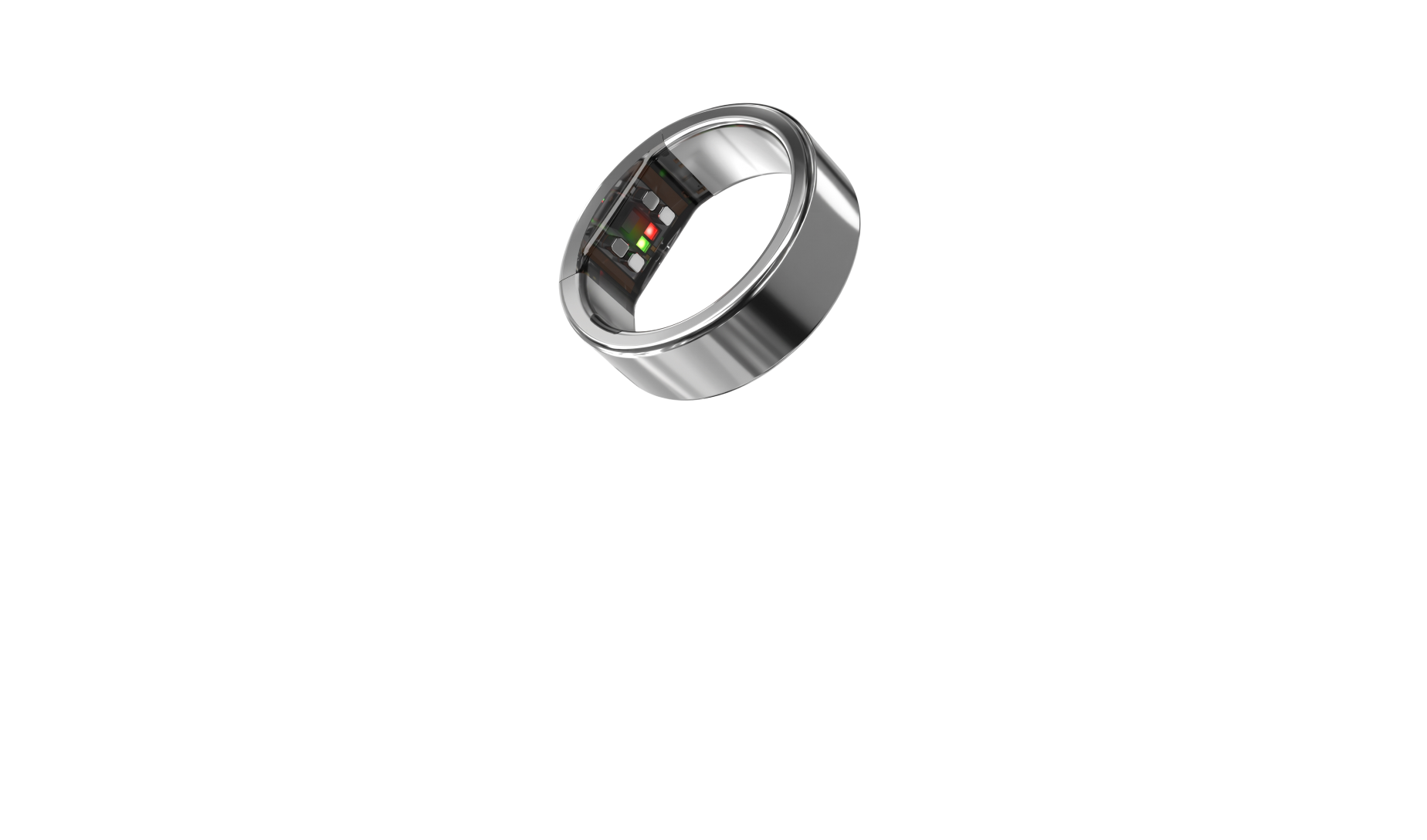
Over a complete walk the Ultrahuman Ring lands within 6.6% of a hand count of every step taken. It reads slightly low rather than high, so the total it gives you is one you have already walked.
93.4%accuracy on a single walk
947steps recorded per 1,000 taken
−5.8%the ring reads slightly low, on average
92%of walks landing within a tenth of the hand count
A step counter has one job and two ways to fail at it, and the second is the one validation studies rarely measure. Missing steps is easy to avoid: count generously and you will never miss one. The hard part is counting all the real steps and none of the hundreds of hand movements that look just like them. This card is the first half, a complete walk measured end to end.
Rather than another device, the reference is an observer who walked with each participant and clicked a hand tally counter once per step. A direct count of the steps taken is the class of criterion the expert consensus on step-count validation asks for, and the one most published work substitutes away from. It is also known how steady a single real-time count is: when the same treadmill bouts were counted once in real time and then twice more from video, the three counts differed by 0.29% on average and by under 1% on every bout, and the authors concluded a single real-time count is sufficient. Nothing measured this way can hide behind an uncertain reference.
Across complete walks the ring came within 6.6% of that count, and 92% of them landed within a tenth of it. That sits inside the 10% to 15% error an expert consensus on step-count validation calls acceptable for general use, and the direction is worth knowing too: the ring reads low rather than high, so a day it reports is a day you have already walked rather than one it has rounded up for you.
For context, the largest catalogue of step counting ever assembled put a whole field of trackers on a treadmill against directly observed steps, and accuracy fell steadily as the sensor moved up the body: closest at the ankle and the thigh, then the waist, and weakest at the wrist. A hand is a harder place to count steps than a hip, and a finger is a harder place than a wrist.