
Loading...

Caesar Salad Dressing (1 Tbsp)

food-timeLunch

113 mg/dL

avg. peak value

Usually causes a medium spike

7

Avg. Food Score on Ultrahuman App

53%

Ultrahuman Users got a STABLE response

How to consume Caesar Salad Dressing without glucose spikes

Moderate Portion Size

Limit the amount of Caesar salad dressing you use to control the intake of fats and sugars that might contribute to glucose spikes.

Opt for Low-Carb Variants

Choose or make a Caesar dressing variant that has reduced sugars and carbs, focusing on ingredients like olive oil, vinegar, mustard, and garlic.

Add Fiber-Rich Ingredients

Include high-fiber vegetables, such as leafy greens, bell peppers, or cucumbers, to slow down digestion and reduce glucose spikes.

Incorporate Protein Sources

Add lean proteins like grilled chicken or tofu to your salad to help stabilize blood sugar levels.

Use Whole-Grain Croutons

Substitute traditional croutons with whole-grain or seed-based options to provide more fiber and nutrients.

Enhance with Healthy Fats

Incorporate avocados or a sprinkle of nuts such as almonds or walnuts to add healthy fats that can help maintain a stable blood sugar level.

Hydration

Drink water before your meal to help with digestion and potentially lessen the impact of glucose spikes.

Include Vinegar

Add a splash of vinegar to your dressing or salad as it may help improve insulin sensitivity.

Space Out Carbohydrate Intake

If you're consuming additional carbohydrate-rich foods, space them out across meals to prevent a cumulative glucose spike.

Monitor and Adjust

Keep track of your body's response to the salad dressing and adjust ingredients or quantities accordingly for better blood sugar management.

healthspan-mbl

Discover
metabolic
health with M1

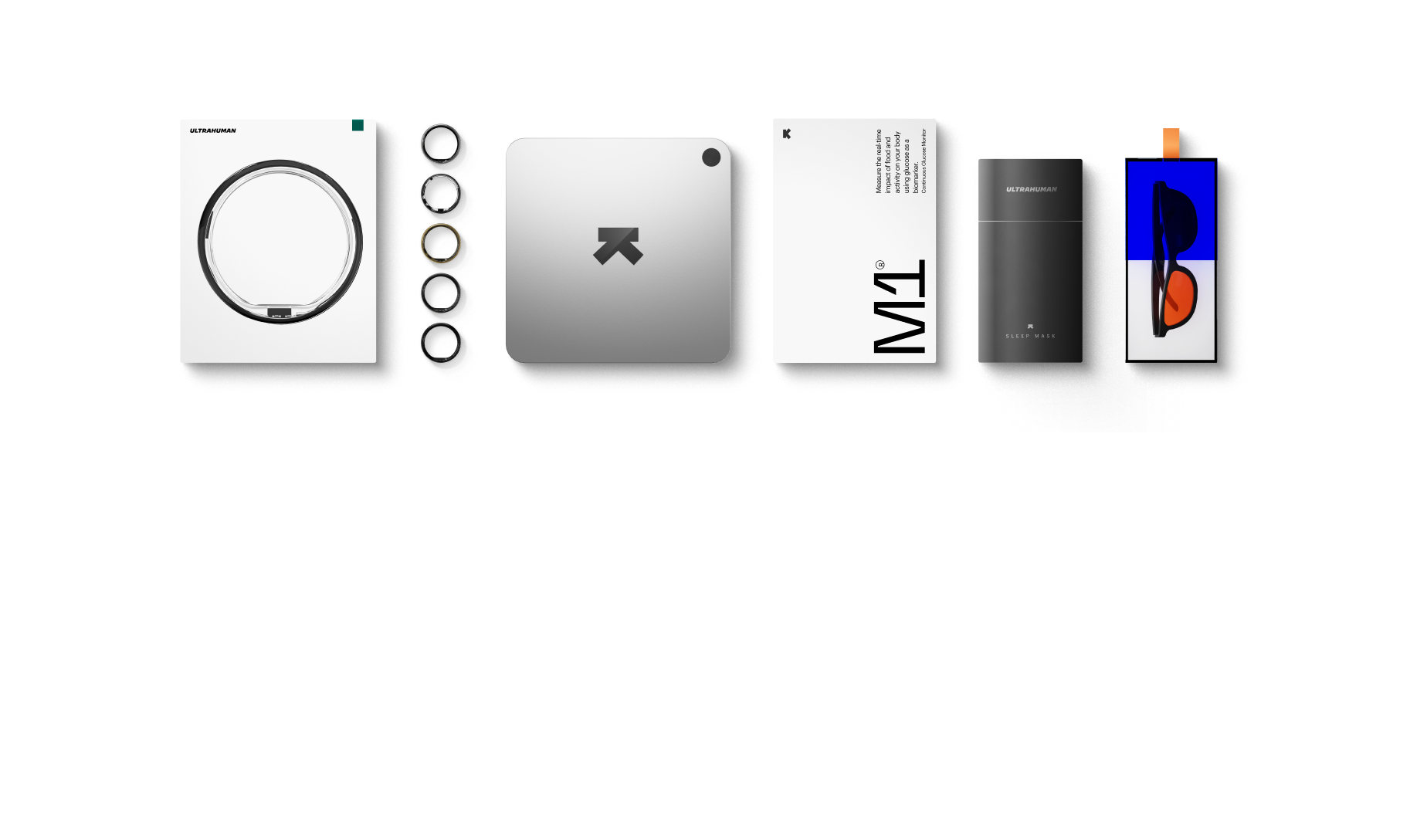
Ultrahuman M1 helps you measure the impact of food and activity on your body in real time through glucose as a biomarker.

Explore Ultrahuman M1

Find Glucose response for your favourite foods

Explore OGDb