

Chia seed pudding (1 piece)
 Breakfast
117 mg/dL
avg. peak value
Usually causes a medium spike
Avg. Food Score on Ultrahuman App
Ultrahuman Users got an UNSTABLE response
How to consume Chia Seed Pudding without glucose spikes
Portion Control
Start by reducing the portion size of the chia seed pudding to limit carbohydrate intake, which in turn can help reduce glucose spikes.
Balanced Composition
Mix your chia seed pudding with a source of protein or healthy fats, such as Greek yogurt or almond butter. These can slow down the digestion process and stabilize blood sugar levels.
Choose Low-Sugar Sweeteners
Instead of using sugar or honey, sweeten your chia seed pudding with natural alternatives like stevia or monk fruit sweetener, which have minimal impact on blood sugar levels.
Add Low-Glycemic Fruits
Incorporate fruits like berries (e.g., strawberries, blueberries, or raspberries) which have natural sweetness but are less likely to cause significant glucose spikes.
Include Fiber-Rich Ingredients
Add toppings like nuts, seeds, or coconut flakes to your pudding, as these fibrous options can help slow glucose absorption.
Timing and Frequency
Consume your chia seed pudding as part of a meal rather than as a standalone snack. Eating it alongside other foods can moderate blood sugar responses.
Incorporate Physical Activity
Engage in light physical activity, such as a short walk, after consuming a meal or snack to help your body utilize glucose more efficiently.
Stay Hydrated
Drink plenty of water throughout the day, which can support your body in maintaining balanced blood sugar levels.
Monitor Ingredients
Read labels and be mindful of any additional ingredients in store-bought chia seed pudding that may contribute to higher sugar content.
Experiment with Preparation
Try making your chia seed pudding with unsweetened almond milk or coconut milk instead of sweetened versions, to further reduce sugar intake.
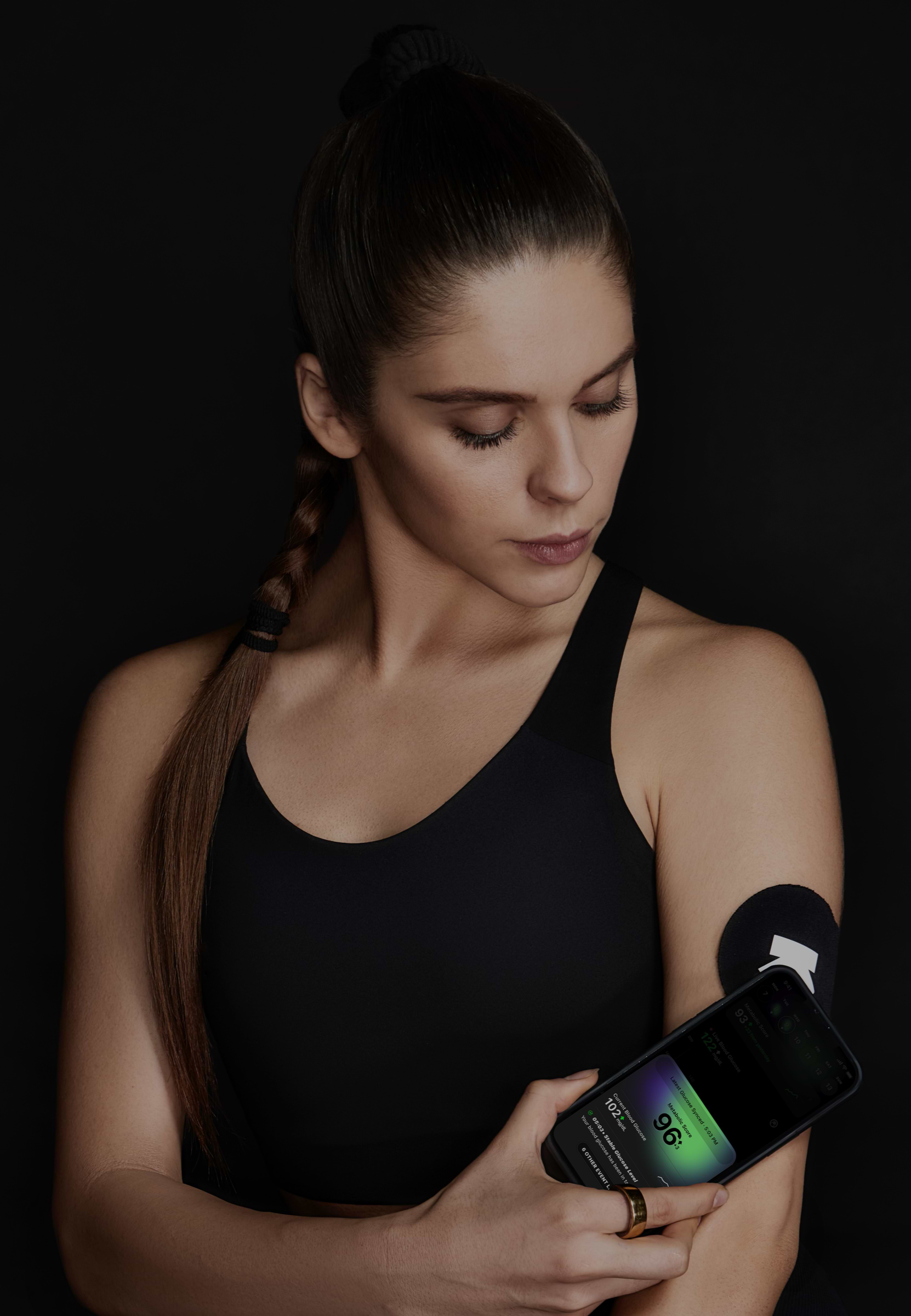
Discover
metabolic
health with M1
Ultrahuman M1 helps you measure the impact of food and activity on your body in real time through glucose as a biomarker.
Explore Ultrahuman M1Find Glucose response for your favourite foods
Explore OGDbYour cart is empty
Looks like you haven't added anything yet. Explore our products to get started.