

Indian food (1 piece)
 Dinner
134 mg/dL
avg. peak value
Usually causes a medium spike
Avg. Food Score on Ultrahuman App
Ultrahuman Users got an UNSTABLE response
Other related foods
- fried whole wheat puri or poori bread indian puffed bread
- aloo sabzi fried whole wheat puri or poori bread indian puffed bread
- indian paneer cheese
- english indian filter coffee
- english indian bhelpuri
- english indian pongal rice
- english indian fox nuts
- english indian paneer roll
- english indian chole bhature
- english indian vegetarian thali
How to consume Indian food without glucose spikes
Choose Whole Grains
Opt for whole grain options like brown rice or quinoa instead of white rice. These alternatives are less likely to cause rapid spikes in blood sugar levels.
Incorporate Legumes
Include lentils, chickpeas, or black beans in your meal. These are excellent sources of protein and fiber, helping to stabilize blood sugar.
Increase Vegetable Intake
Add non-starchy vegetables such as spinach, broccoli, and bell peppers to your dishes. These vegetables can help moderate blood sugar levels.
Limit Sugary Sauces
Use spices and herbs to flavor your food rather than relying on sugary sauces and condiments.
Add Protein
Incorporate lean proteins like grilled chicken, fish, or tofu into your meal. Protein can slow down the absorption of carbohydrates.
Prioritize Portion Control
Be mindful of portion sizes, especially when it comes to carbohydrate-heavy dishes like naan and samosas.
Stay Hydrated
Drink plenty of water before and during your meal. This can help you feel full and avoid overeating.
Include Healthy Fats
Add sources of healthy fats such as avocado, nuts, or seeds to your dishes. Healthy fats can help in managing blood sugar levels.
Balance Your Plate
Ensure your meal includes a balance of carbohydrates, proteins, and fats to help steady blood sugar.
Eat Mindfully
Take your time to chew thoroughly and savor each bite, which can aid in digestion and prevent overeating.
Discover
metabolic
health with M1
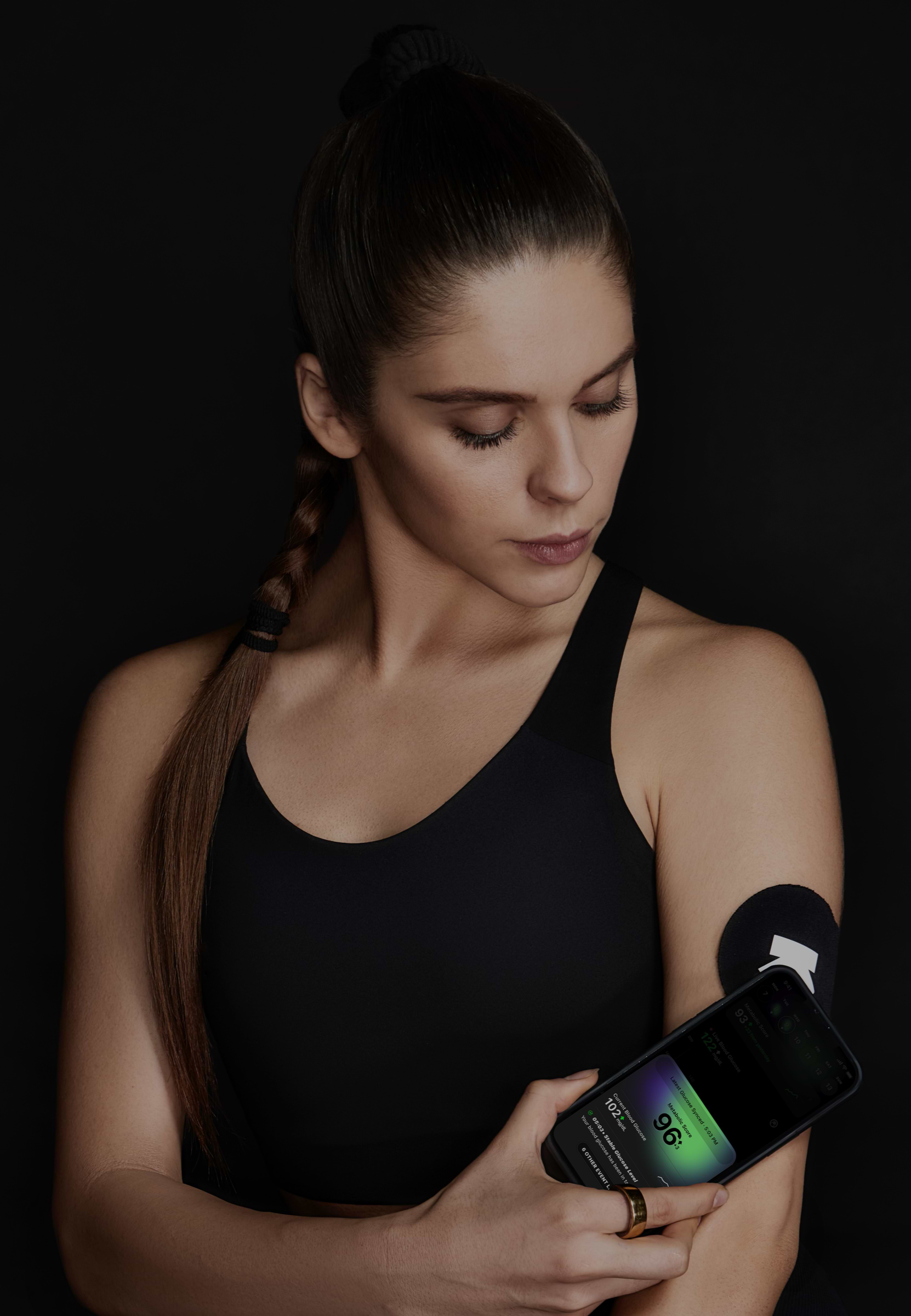
Ultrahuman M1 helps you measure the impact of food and activity on your body in real time through glucose as a biomarker.
Explore Ultrahuman M1Find Glucose response for your favourite foods
Explore OGDbYour cart is empty
Looks like you haven't added anything yet. Explore our products to get started.