

Salad Dressing (Home Recipe) (1 Cup)
 Lunch
Lunch
135 mg/dL
avg. peak value
Usually causes a medium spike
Avg. Food Score on Ultrahuman App
Ultrahuman Users got an UNSTABLE response
How to consume Salad Dressing (Home Recipe) without glucose spikes
Portion Control
Use a smaller amount of salad dressing to reduce the overall intake of sugar and carbohydrates that might contribute to a glucose spike.
Ingredient Substitution
Replace sugary ingredients in the dressing with alternatives such as lemon juice or vinegar, which can add flavor without causing a significant glucose spike.
Add Healthy Fats
Incorporate healthy fats like olive oil or avocado oil in your dressing. These can help slow down the absorption of carbohydrates.
Include Protein
Add a source of protein to your salad, such as grilled chicken, tofu, or chickpeas, to help stabilize blood sugar levels.
Fiber-Rich Vegetables
Ensure your salad includes plenty of fiber-rich vegetables like leafy greens, cucumbers, and bell peppers, which can help moderate blood sugar levels.
Homemade Dressings
Make dressings from scratch using natural ingredients and sweeteners like stevia or monk fruit instead of sugar or honey.
Mindful Eating
Eat the salad slowly and mindfully to give your body time to manage blood sugar levels effectively.
Pair with Low-Carb Foods
Complement your salad with low-carb foods such as nuts or seeds to balance the meal and reduce the likelihood of a spike.
Herbs and Spices
Use herbs and spices like basil, oregano, or black pepper to enhance flavor without affecting blood sugar.
Drink Water
Have a glass of water with your meal to help with digestion and potentially mitigate a glucose spike.
Discover
metabolic
health with M1
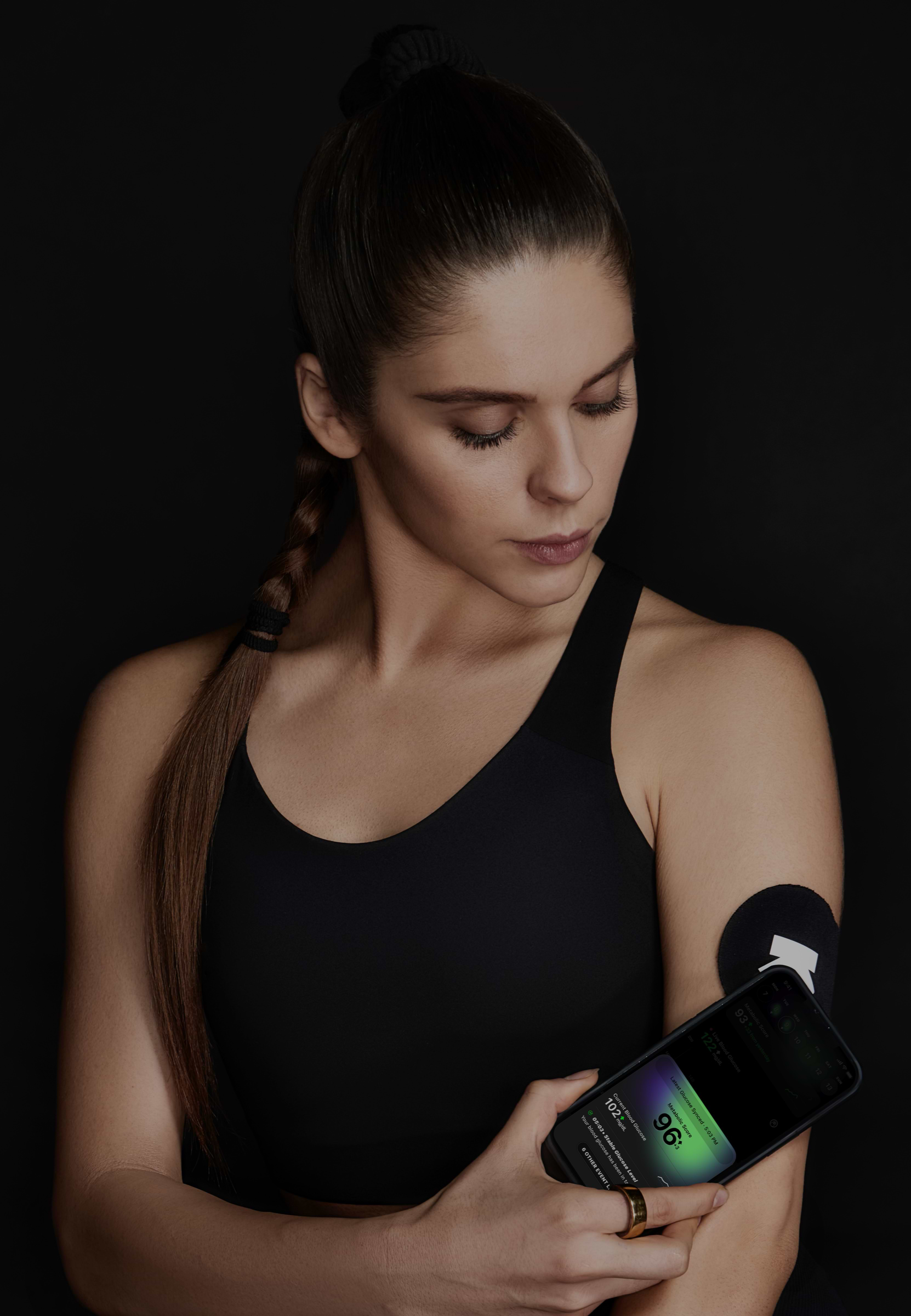
Ultrahuman M1 helps you measure the impact of food and activity on your body in real time through glucose as a biomarker.
Explore Ultrahuman M1Find Glucose response for your favourite foods
Explore OGDbYour cart is empty
Looks like you haven't added anything yet. Explore our products to get started.