




Apple (1 Medium (2 3/4 Inches Dia) (Approx 3 Per Lb)) and Oranges (1 Small (2 3/8 Inches Dia))
 Lunch
Lunch
144 mg/dL
avg. peak value
Usually causes a medium spike
Avg. Food Score on Ultrahuman App
53%
Ultrahuman Users got a STABLE response
How to consume Apple, Oranges without glucose spikes
Pair with Protein or Healthy Fats
Combine apples and oranges with a source of protein, such as a handful of nuts or a serving of Greek yogurt, to help stabilize blood sugar levels.
Add Fiber
Include high-fiber foods in your meal or snack, like chia seeds or flaxseeds, to slow down the absorption of sugars.
Portion Control
Limit the portion sizes of apples and oranges to reduce the overall sugar intake from these fruits.
Choose Whole Fruits
Opt for whole apples and oranges rather than fruit juices or dried fruits, which can cause quicker spikes in glucose levels.
Balanced Meals
Incorporate apples and oranges as part of a balanced meal that includes vegetables, lean proteins, and whole grains.
Monitor Timing
Eat apples and oranges with a meal rather than on an empty stomach to minimize spikes.
Stay Hydrated
Drink plenty of water throughout the day to help your body manage blood sugar more effectively.
Exercise Regularly
Engage in regular physical activity, as it can improve insulin sensitivity and help manage blood sugar levels.
Mindful Eating
Practice mindful eating by savoring each bite and eating slowly, which can help with digestion and better blood sugar management.
Consult a Professional
If you frequently experience spikes, consider consulting a healthcare professional or a dietitian for personalized advice.

Discover
metabolic
health with M1
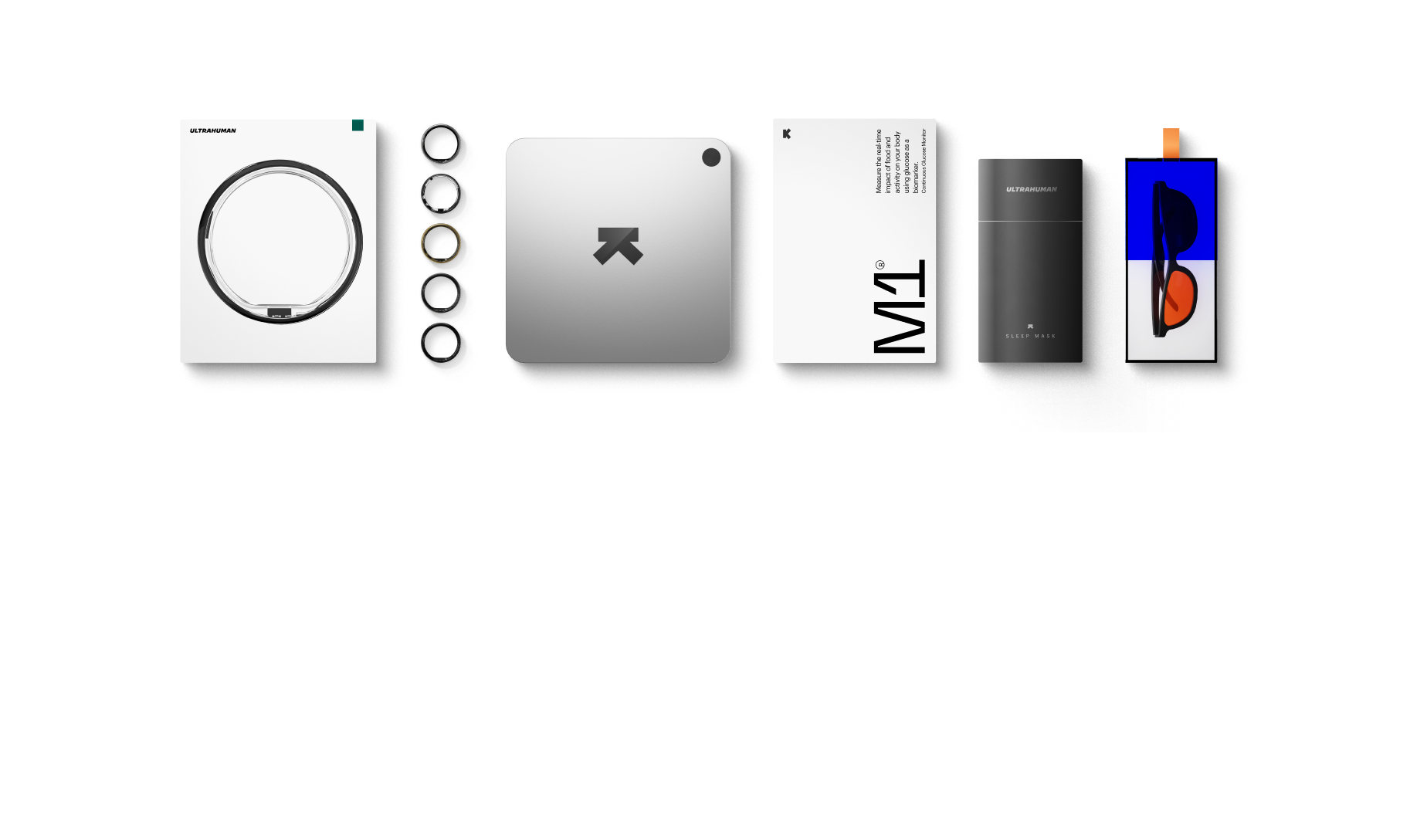
Ultrahuman M1 helps you measure the impact of food and activity on your body in real time through glucose as a biomarker.
Explore Ultrahuman M1Find Glucose response for your favourite foods
Explore OGDb