


Chapati (1 Piece), Dal Yellow (Hommade) (1 Serving) and White Rice (1 Cup, Cooked)
 Lunch
180 mg/dL
avg. peak value
Usually causes a large spike
Avg. Food Score on Ultrahuman App
85%
Ultrahuman Users got an UNSTABLE response
How to consume Chapati, Dal Yellow, White Rice without glucose spikes
Replace white rice with a smaller serving of quinoa or barley, and avoid having both rice and chapati in the same meal.
Choose a chapati made with barley flour or a barley–whole-wheat blend, keeping the portion to one small chapati.
Keep yellow dal unsweetened and prepare it with minimal added fat; increase the dal portion modestly instead of increasing rice or chapati.
Fill at least half your plate with non-starchy vegetables such as spinach, broccoli, cauliflower, okra, or cabbage before eating the starches.
Add a protein side such as eggs, tofu, paneer, fish, chicken, or plain unsweetened Greek yogurt to slow the meal’s glucose rise.
Eat the vegetables and protein first, then dal, and have the rice or chapati last; take a 10–20 minute walk after the meal.
Powered by ChatGPT. ChatGPT's information is based on machine learning and may not be entirely accurate or reliable. Consult a healthcare professional before changing your lifestyle, diet or treatment. We don't endorse any specific foods, products and assume no liability for any loss or damage caused by relying on ChatGPT.
Discover
metabolic
health with M2
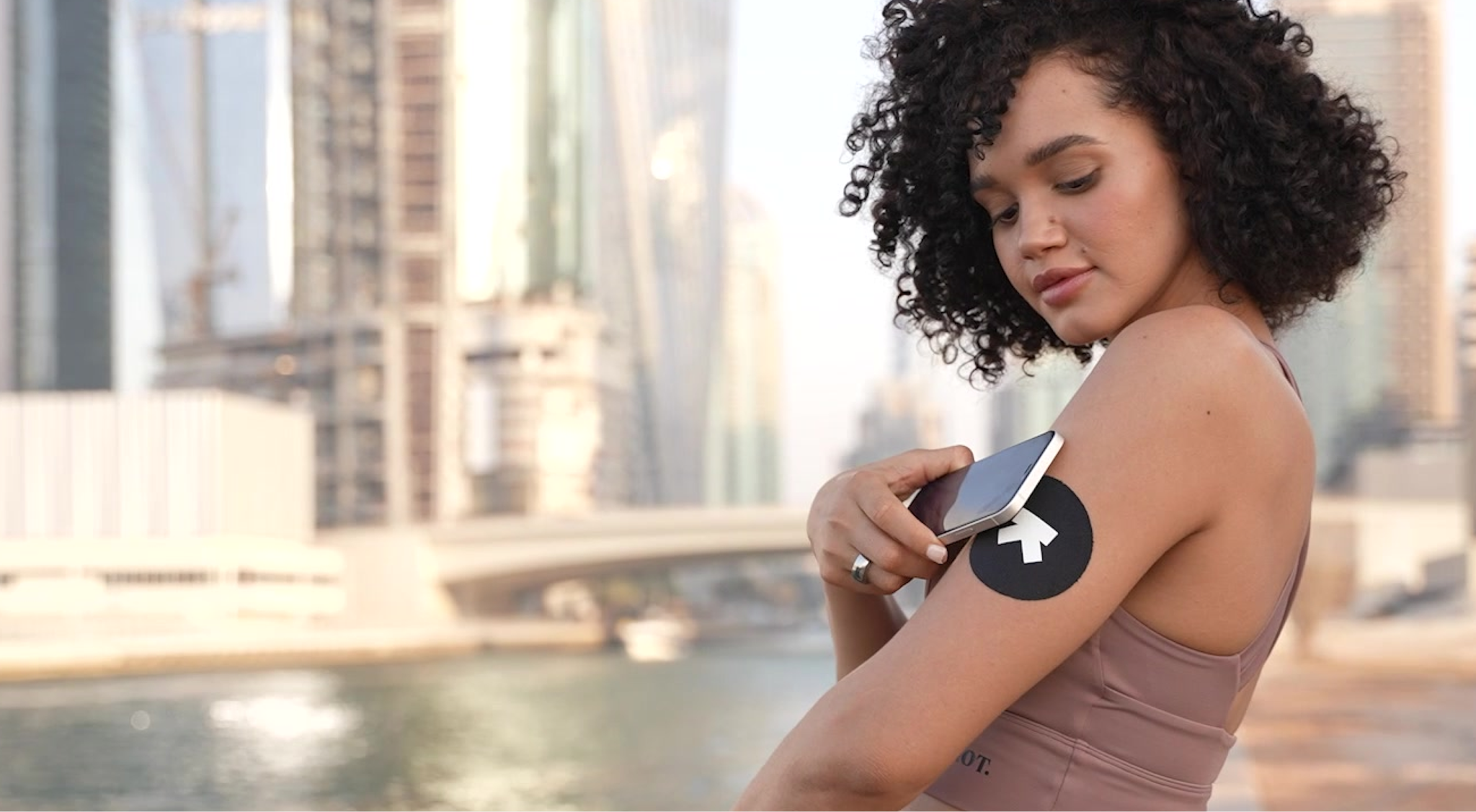
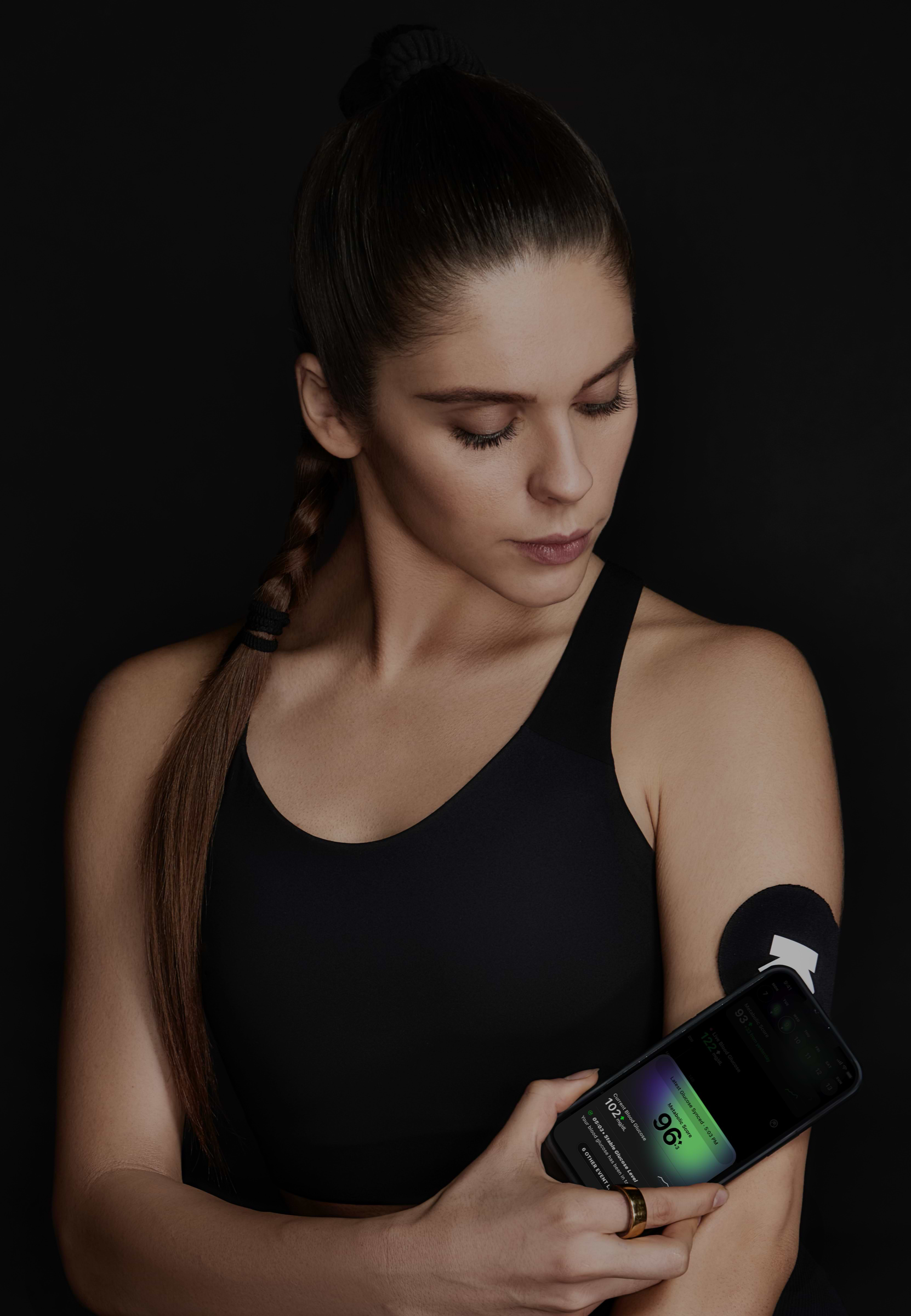
Ultrahuman M2 helps you measure the impact of food and activity on your body in real time through glucose as a biomarker.
Explore Ultrahuman M2Find Glucose response for your favourite foods
Explore OGDbYour cart is empty
Looks like you haven't added anything yet. Explore our products to get started.