



Curd rice (1 piece)
 Lunch
Lunch
146 mg/dL
avg. peak value
Usually causes a medium spike
Avg. Food Score on Ultrahuman App
76%
Ultrahuman Users got an UNSTABLE response
How to consume Curd Rice without glucose spikes
Portion Control
Reduce the amount of rice in your meal to decrease the carbohydrate load.
Increase Fiber Intake
Add vegetables like spinach, bell peppers, or carrots to your curd rice. They help slow down the absorption of carbohydrates.
Include Protein
Incorporate a source of protein, such as boiled eggs, grilled chicken, or tofu, alongside your meal to help stabilize blood sugar levels.
Add Healthy Fats
Include a small portion of healthy fats, such as a handful of nuts or a sprinkle of seeds like chia or flaxseeds, to slow down digestion.
Pre-Meal Hydration
Drink a glass of water before your meal to aid digestion and prevent overeating.
Prebiotic Foods
Include foods like garlic, onions, or asparagus in your diet to improve gut health and potentially modulate blood sugar responses.
Mindful Eating
Eat slowly and mindfully to give your body time to process the food and signals of fullness.
Physical Activity
Engage in light physical activity, like a 10-15 minute walk, after eating to help your body use up the glucose more efficiently.
Meal Timing
Consider eating smaller, more frequent meals throughout the day to avoid large spikes in blood sugar.
Regular Monitoring
Keep track of your blood sugar levels to identify patterns and make informed dietary choices.

Discover
metabolic
health with M1
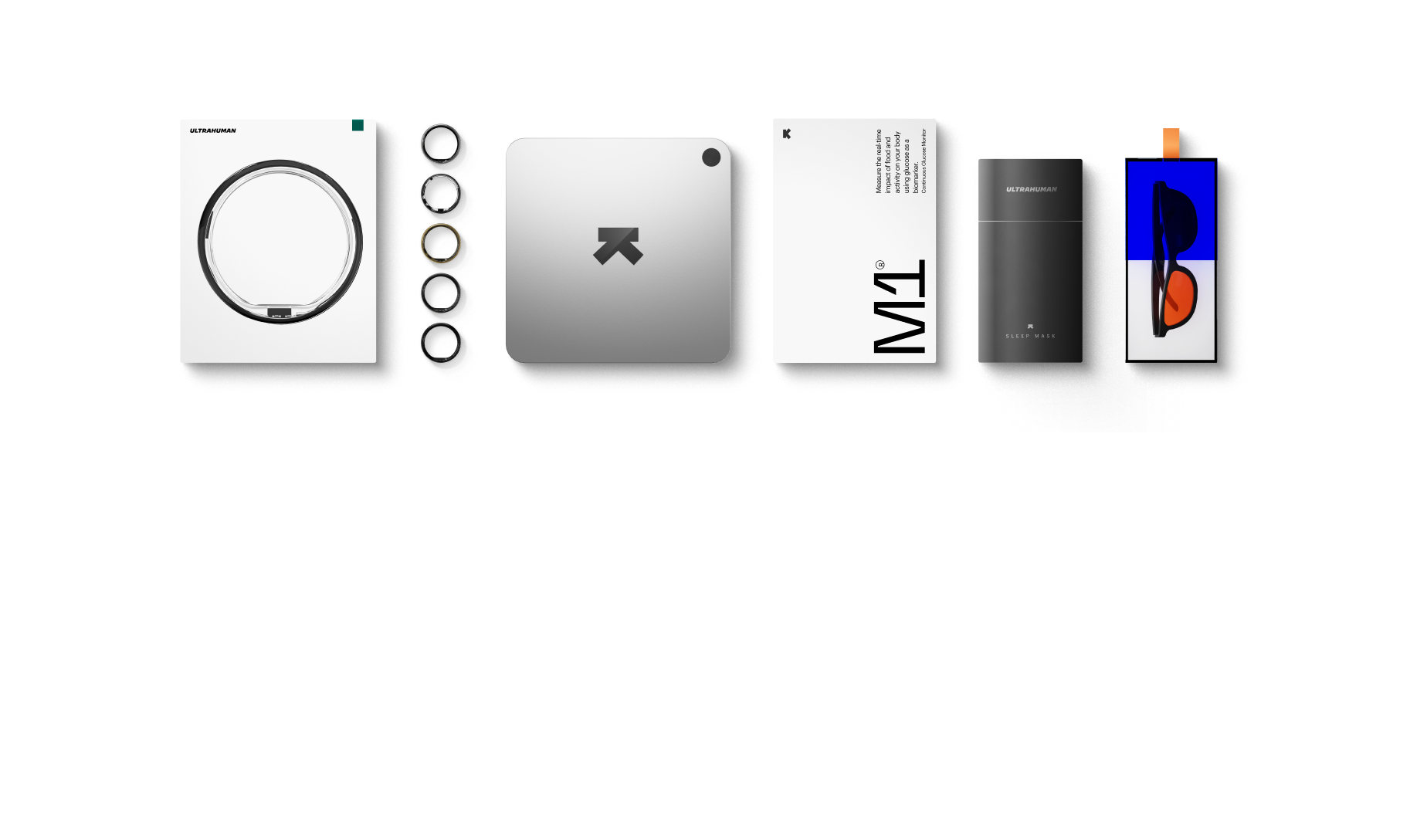
Ultrahuman M1 helps you measure the impact of food and activity on your body in real time through glucose as a biomarker.
Explore Ultrahuman M1Find Glucose response for your favourite foods
Explore OGDb