

Frozen Ice Cream Sundae (100 G)
 Dinner
134 mg/dL
avg. peak value
Usually causes a small spike
Avg. Food Score on Ultrahuman App
Ultrahuman Users got a STABLE response
Other related foods
- noodles with vegetables in tomato based sauce diet frozen meal
- frozen ice cream sundae
- lasagna with meat and sauce entree frozen
- mixed vegetables with salt frozen drained cooked boiled
- chicken dinner frozen meal
- pepperoni pizza frozen cooked
- beef patties 100 frozen cooked
- pinkberry medium peach frozen yogurt
- hash brown from frozen
- frozen yogurt
How to consume Frozen Ice Cream Sundae without glucose spikes
Portion Control
Limit the amount of ice cream you consume. A smaller serving can help manage your blood sugar levels.
Choose Low-Sugar Options
Opt for ice cream that is labeled as low-sugar or sugar-free, as these versions often have less impact on blood glucose.
Add Fiber
Pair your ice cream with a small serving of high-fiber foods such as berries, which can help slow down sugar absorption.
Include Protein
Eat a protein-rich snack like a handful of nuts or a spoonful of natural peanut butter alongside your ice cream to help stabilize blood sugar levels.
Go for Whole Grains
If you’re consuming a dessert that includes a base, such as a cone or a brownie, opt for whole-grain versions.
Stay Active
Engage in light physical activity, like a short walk, after indulging in ice cream to help your body use up some of the sugar.
Hydrate with Water
Drink a glass of water before and after having ice cream to help with digestion and reduce the impact on your glucose levels.
Monitor Timing
Eat ice cream as part of a balanced meal rather than alone, which can help moderate the rise in blood sugar.
Consider Alternatives
Experiment with frozen yogurt or sorbet made with natural sweeteners as a lower-sugar alternative.
Mindful Eating
Practice mindful eating to savor the treat slowly and reduce the likelihood of overeating.
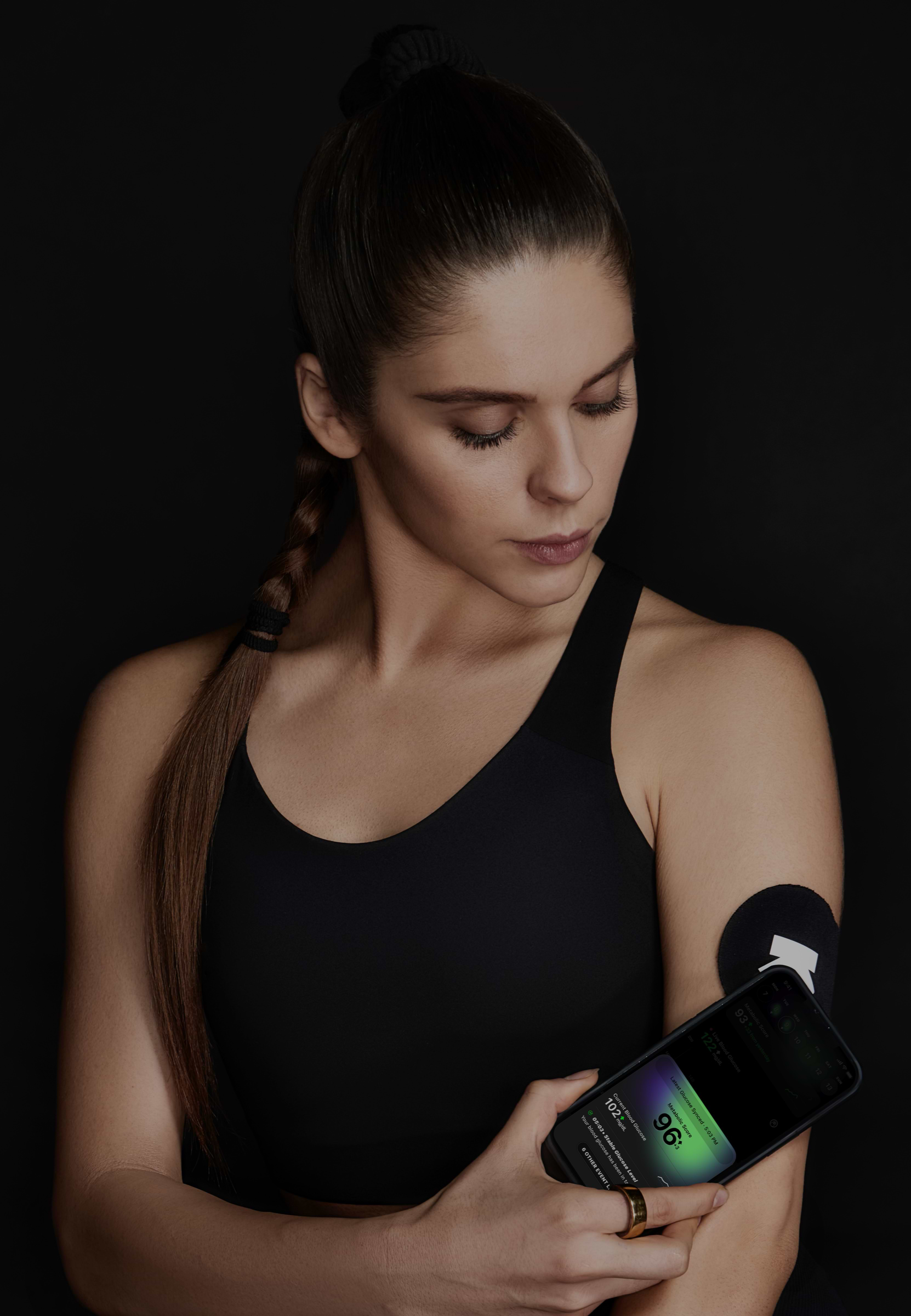
Discover
metabolic
health with M1
Ultrahuman M1 helps you measure the impact of food and activity on your body in real time through glucose as a biomarker.
Explore Ultrahuman M1Find Glucose response for your favourite foods
Explore OGDbYour cart is empty
Browse through our products and find something for you.