
Loading...

Homemade - Bhature (1 nos) and Indian Chole (100 G)

food-timeLunch

How to consume homemade - bhature, indian chole without glucose spikes

Portion Control

Reduce the portion size of the bhature and chole to help manage the glucose spike. Eating smaller amounts can help prevent large increases in blood sugar levels.

Fiber Addition

Add a fiber-rich salad with ingredients like cucumber, tomatoes, and lettuce to your meal. Fiber can slow down the absorption of sugar and help stabilize blood glucose levels.

Protein Pairing

Include a protein source like grilled chicken, paneer, or tofu in your meal. Protein can help moderate blood sugar spikes by slowing digestion.

Healthy Fats

Incorporate healthy fats such as a small serving of avocado or nuts (such as almonds or walnuts) to your meal. Healthy fats can assist with slowing down carbohydrate absorption.

Use Whole Grains

If possible, prepare the bhature using whole wheat flour instead of refined flour. Whole grains are digested more slowly and can result in a more gradual increase in blood sugar.

Stay Hydrated

Drink plenty of water throughout the meal and afterwards to stay hydrated, which can support better blood sugar management.

Physical Activity

Engage in light physical activity, like a short walk, after eating. This can help your muscles use glucose more efficiently and reduce blood sugar levels.

Spice it Up

Use spices like turmeric, cinnamon, or fenugreek in your chole preparation. These spices can have beneficial effects on blood sugar control.

Mindful Eating

Eat slowly and mindfully, paying attention to your body's hunger and fullness cues. This can prevent overeating and help maintain steady blood sugar levels.

Monitor Blood Sugar

Keep track of your blood sugar levels before and after meals over time to understand how your body responds to different foods and make adjustments as necessary.

healthspan-mbl

Discover
metabolic
health with M1

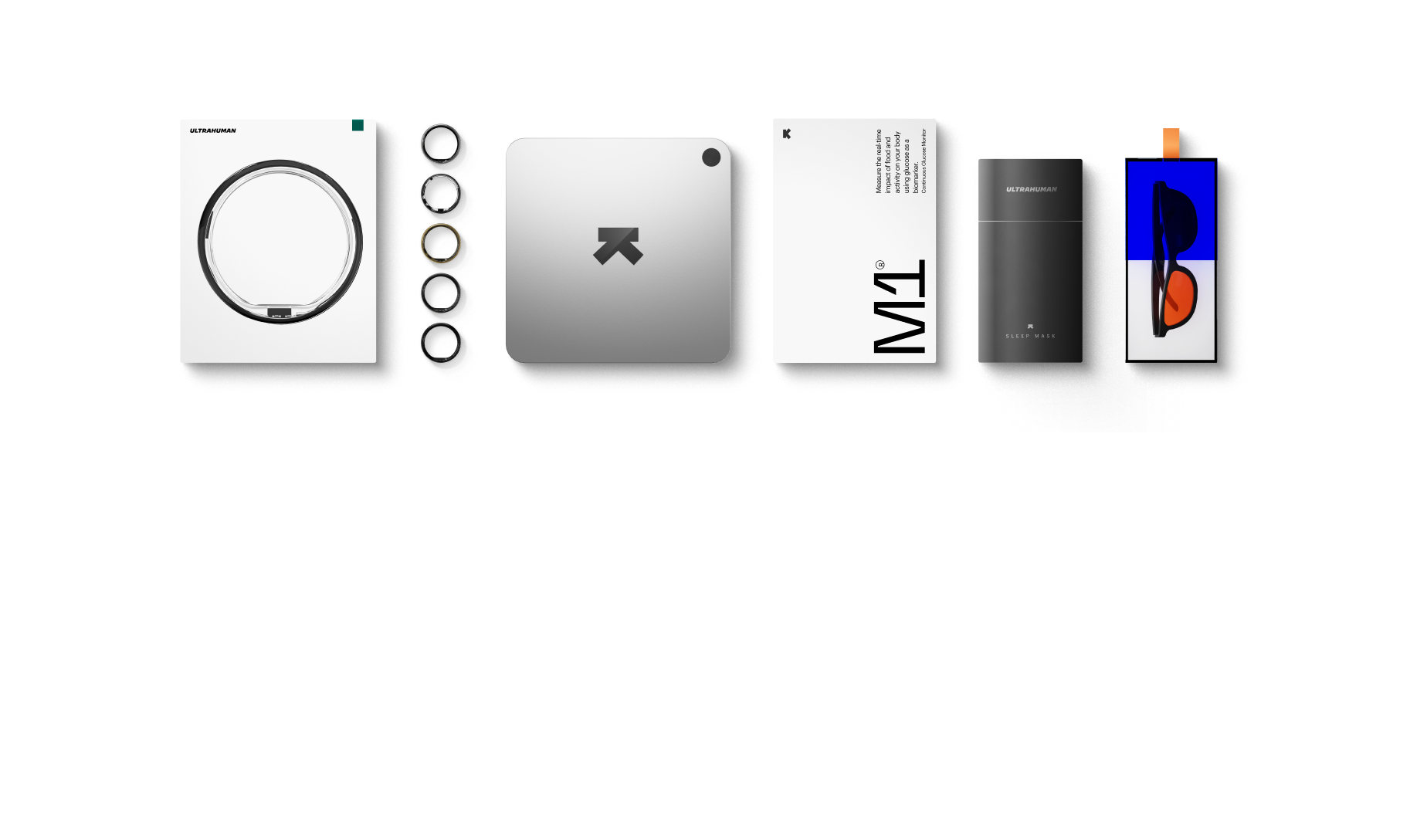
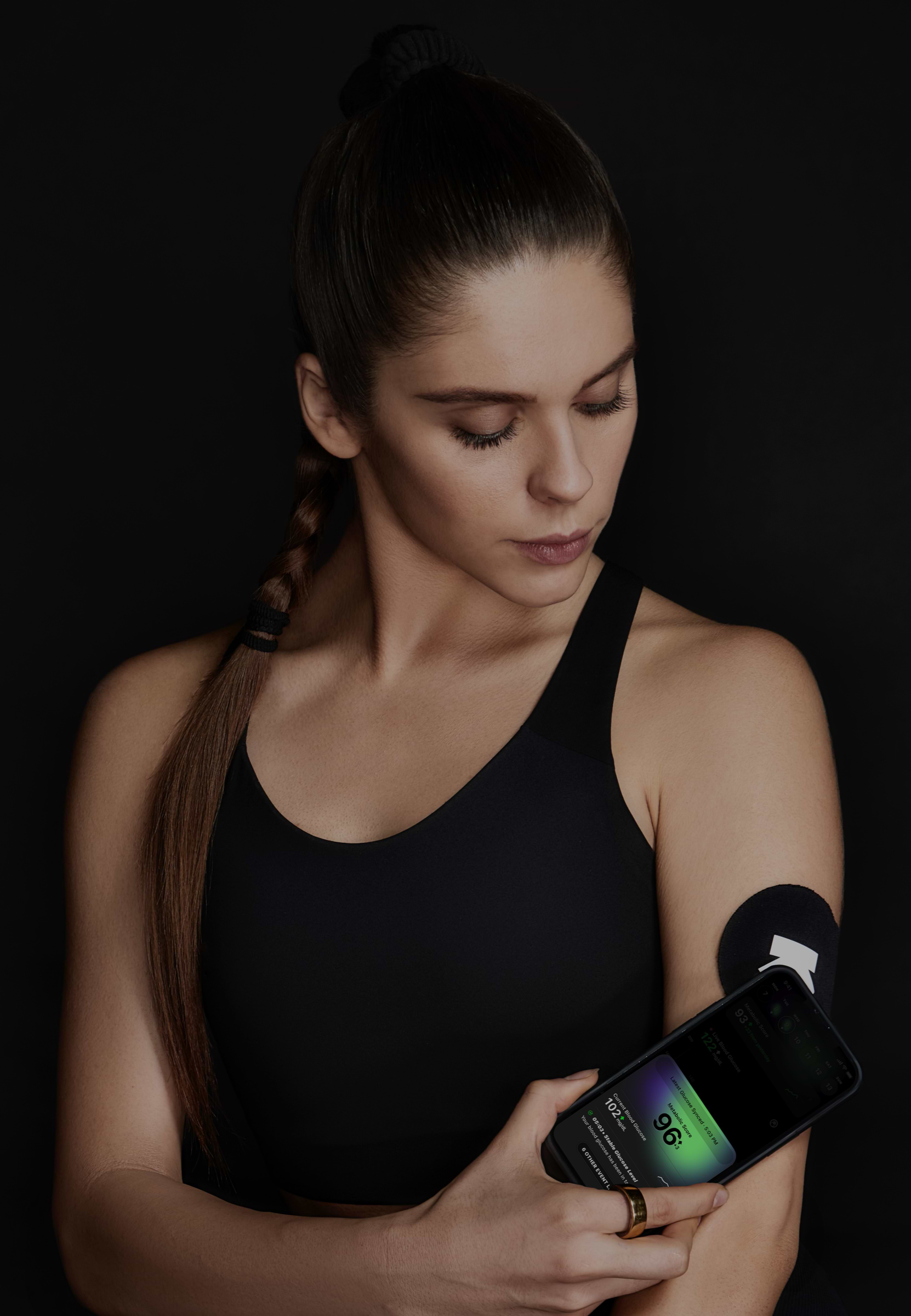
Ultrahuman M1 helps you measure the impact of food and activity on your body in real time through glucose as a biomarker.

Explore Ultrahuman M1

Find Glucose response for your favourite foods

Explore OGDb