




Homemade - Chapathi (1 chapathi)
 Dinner
154 mg/dL
avg. peak value
Usually causes a medium spike
Avg. Food Score on Ultrahuman App
69%
Ultrahuman Users got an UNSTABLE response
How to consume homemade - chapathi without glucose spikes
Pair with Protein and Healthy Fats
Include a source of protein like grilled chicken, tofu, or legumes, and healthy fats such as avocado or a handful of nuts alongside your chapathi. This combination can slow down the absorption of carbohydrates.
Incorporate Vegetables
Add a variety of non-starchy vegetables such as spinach, kale, broccoli, or bell peppers to your meal. These can help add fiber and volume without causing a significant glucose spike.
Use Whole Wheat Flour
Make your chapathis using whole wheat flour instead of refined flour. Whole grains are absorbed more slowly by your body, leading to a slower rise in blood sugar levels.
Practice Portion Control
Consider reducing the size or number of chapathis you consume in one sitting. Smaller portions can lead to more manageable glucose levels.
Include Low-Carb Ingredients
You can add ingredients like flaxseeds or chia seeds to your chapathi dough. These are low in carbohydrates and high in fiber, helping to moderate blood sugar levels.
Opt for a Balanced Meal
Ensure your meal is balanced by including a mix of macronutrients—carbohydrates, proteins, and fats. This balance can help prevent sharp increases in glucose levels.
Stay Hydrated
Drink water before and during your meal. Staying hydrated can aid digestion and help maintain stable blood sugar levels.
Add a Side of Lentil Soup
Consuming a small bowl of lentil soup or dal can add both protein and fiber to your meal, reducing the rate of glucose absorption.
Monitor Cooking Methods
Avoid frying or adding excessive oil to your chapathi. Grilling or using minimal oil can help reduce added fats and calories.
Incorporate Spices
Use spices like cinnamon or fenugreek in your meal preparation. These may have beneficial effects on blood sugar regulation.
Discover
metabolic
health with M1
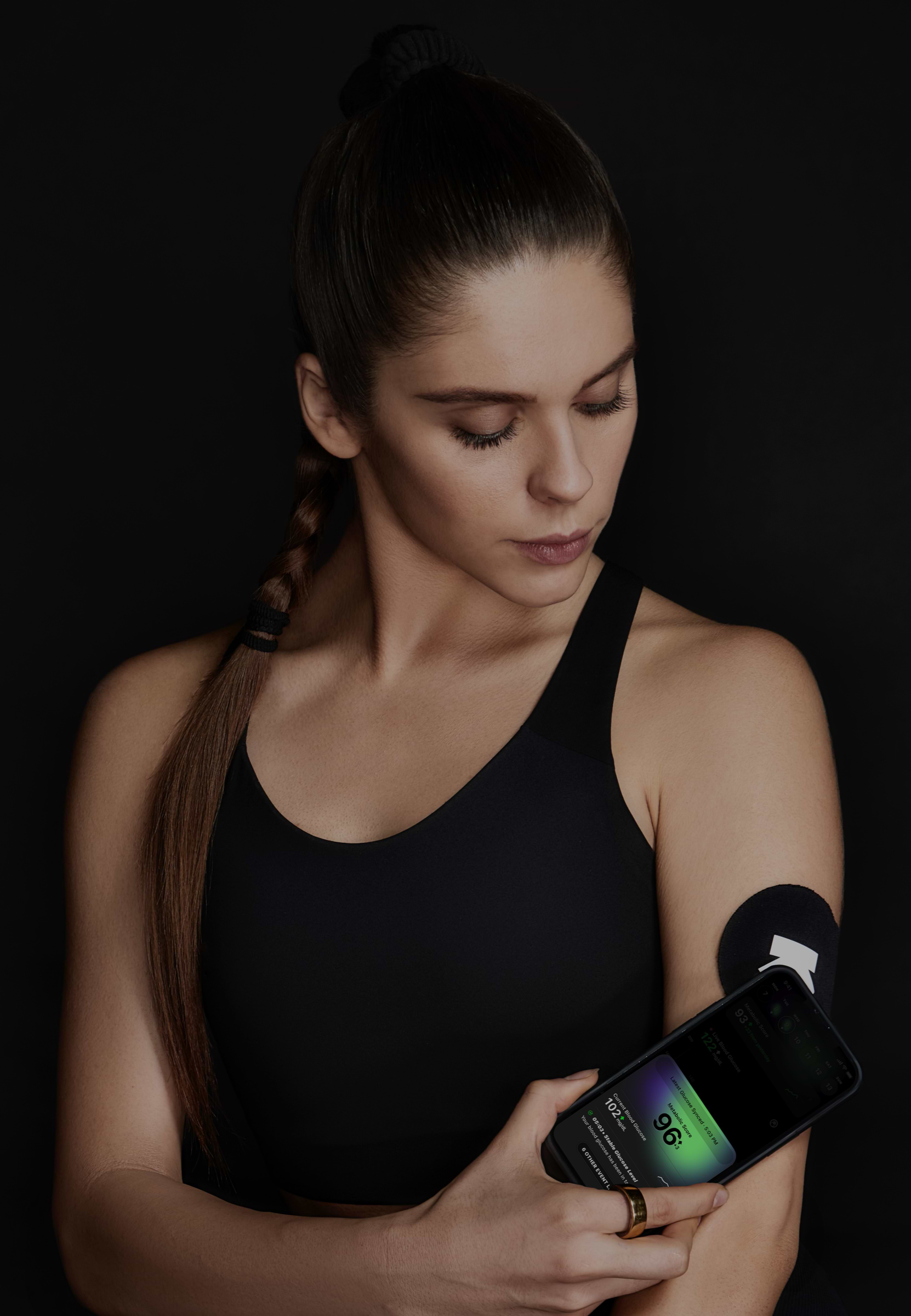
Ultrahuman M1 helps you measure the impact of food and activity on your body in real time through glucose as a biomarker.
Explore Ultrahuman M1Find Glucose response for your favourite foods
Explore OGDb