

Homemade - Mithai (1 piece)
 Afternoon Snack
125 mg/dL
avg. peak value
Usually causes a medium spike
Avg. Food Score on Ultrahuman App
Ultrahuman Users got an UNSTABLE response
How to consume Homemade - Mithai without glucose spikes
Portion Control
Reduce the portion size of the mithai you consume. Smaller portions will result in a lower glucose spike.
Balance with Protein
Include a source of protein in your meal to slow down the absorption of sugars. Foods like Greek yogurt, cottage cheese, or a handful of nuts can be good companions.
Add Healthy Fats
Incorporate healthy fats such as avocado, seeds, or a small amount of olive oil in your meal. These help in moderating the sugar absorption rate.
Choose Whole Grains
If your mithai includes any flour, try using whole grain or alternative flours like almond or coconut flour for better results.
Incorporate Fiber
Pair your mithai with fiber-rich foods like vegetables or a small serving of legumes. Fiber helps in slowing down sugar absorption.
Stay Hydrated
Drink plenty of water throughout the day. Proper hydration can help in maintaining stable blood sugar levels.
Physical Activity
Engage in light physical activity like walking after eating to help your body utilize the sugar more effectively.
Mindful Eating
Eat slowly and savor each bite. This can help you recognize when you are full and prevent overeating.
Herbal Teas
Consider consuming herbal teas such as cinnamon or ginger tea after your meal, as they can help in stabilizing blood sugar levels.
Monitor and Adjust
Keep track of how different foods affect your glucose levels and adjust your diet accordingly. This will help you make informed choices in the future.
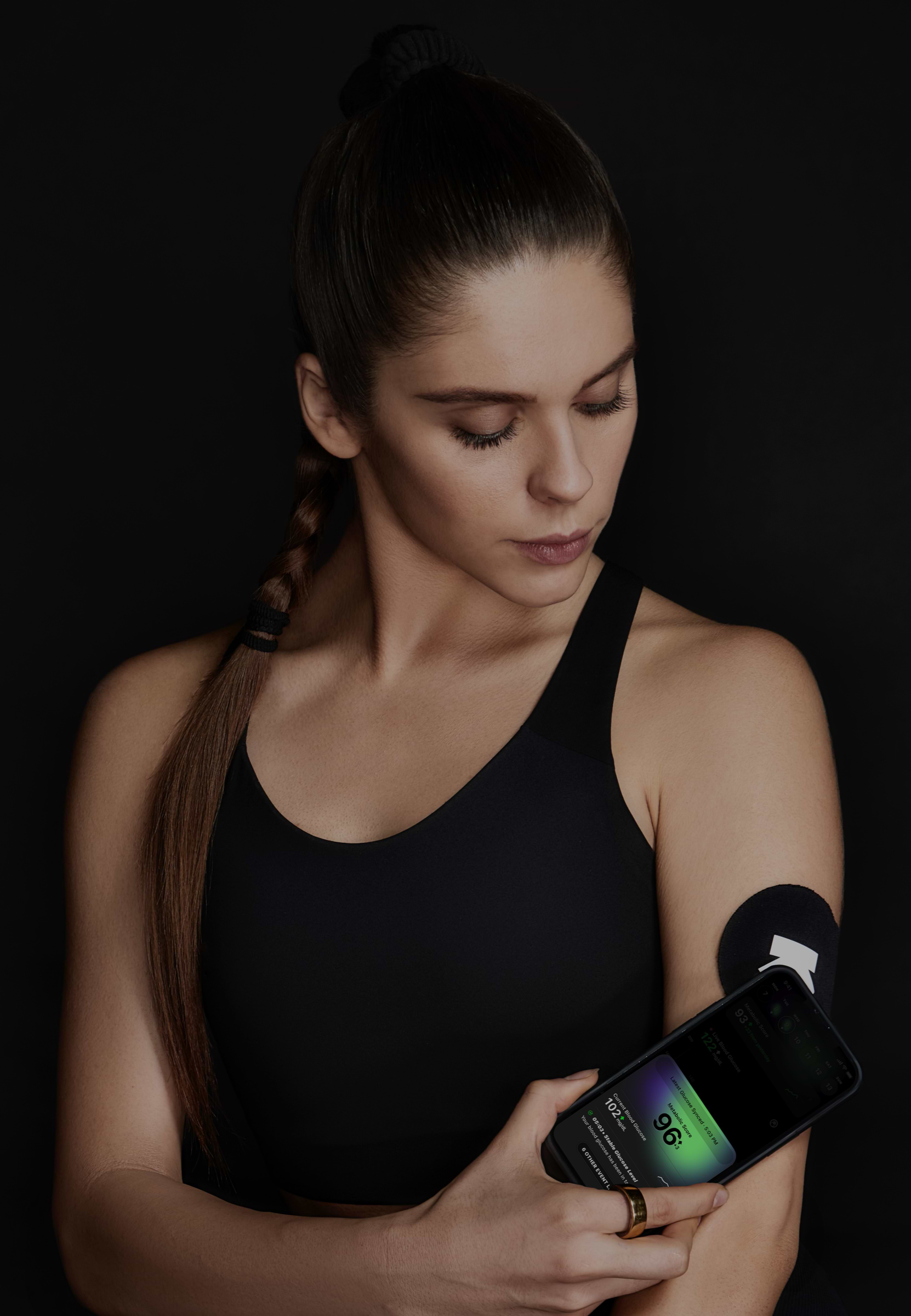
Discover
metabolic
health with M1
Ultrahuman M1 helps you measure the impact of food and activity on your body in real time through glucose as a biomarker.
Explore Ultrahuman M1Find Glucose response for your favourite foods
Explore OGDbYour cart is empty
Looks like you haven't added anything yet. Explore our products to get started.