
Kellogs Cornflakes - Kellogs Cornflakes (1 gram)
Breakfast
148 mg/dL
avg. peak value
Usually causes a large spike
Avg. Food Score on Ultrahuman App
Ultrahuman Users got an UNSTABLE response
Other related foods
- chocos
- muesli crunchy fruit nut
- corn flakes with real almond honey
- chocos milk
- milk muesli crunchy fruit nut
- all bran wheat flakes
- muesli crunchy fruit nut milk
- special k cereal
- chocos egg fresh and easy ham swiss samdwich orange juice
- cereali integrali senza zuccheri aggiunti dried chia seeds latte di soia shake
How to consume Kellogs Cornflakes - Kellogs Cornflakes without glucose spikes

Include Protein
Add a source of protein to your meal, such as a boiled egg, Greek yogurt, or a handful of nuts. Protein can help slow down the absorption of carbohydrates, resulting in a more gradual increase in blood sugar levels.
Add Healthy Fats
Incorporate healthy fats like avocado slices, a spoonful of peanut butter, or a few almonds. Fats can also play a role in moderating blood sugar spikes by slowing the digestion process.
Combine with Low-Carb Vegetables
Add vegetables such as spinach, cucumbers, or bell peppers to your meal. These vegetables provide fiber and nutrients while helping to stabilize blood sugar levels.
Choose a Fiber-Rich Cereal
Opt for a cereal with higher fiber content to mix with your cornflakes or as an alternative. High-fiber foods aid in regulating blood sugar by slowing carbohydrate absorption.
Portion Control
Be mindful of portion sizes. A smaller serving of cornflakes can reduce the overall carbohydrate intake and lessen the impact on your blood sugar levels.
Drink Water
Stay hydrated by drinking water with your meal. Avoid sugary drinks or juices that may contribute to additional spikes in blood glucose.
Add Berries
Top your cornflakes with berries like strawberries, raspberries, or blueberries. These fruits provide antioxidants and fiber, which can help in managing blood sugar levels.
Pre-Meal Exercise
Engage in light physical activity, such as a short walk, before your meal. Exercise can enhance insulin sensitivity and help in maintaining stable blood sugar levels.
Monitor Timing
Consider the timing of your meals. Eating smaller, more frequent meals throughout the day can help prevent large fluctuations in blood sugar levels.
Stress Management
Practice stress-reducing techniques like meditation or deep breathing. Stress can affect blood sugar levels, so managing it can contribute to overall blood glucose control.

Discover
metabolic
health with M1
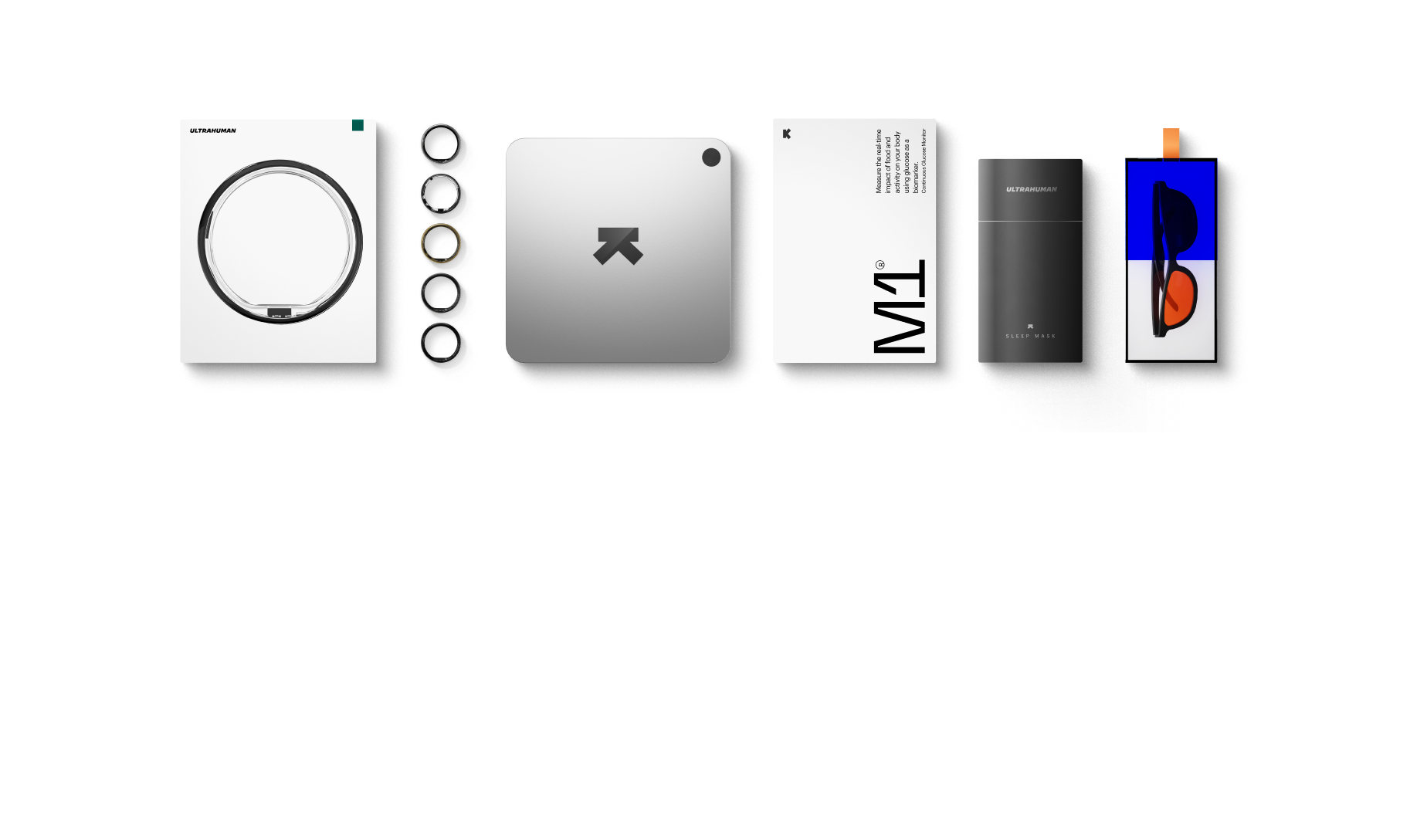
Ultrahuman M1 helps you measure the impact of food and activity on your body in real time through glucose as a biomarker.
Explore Ultrahuman M1Find Glucose response for your favourite foods
Explore OGDbYour cart is empty
Looks like you haven't added anything yet. Explore our products to get started.