
Lunch (1 piece) and Tea (1 piece)
Lunch
153 mg/dL
avg. peak value
Usually causes a large spike
Avg. Food Score on Ultrahuman App
Ultrahuman Users got an UNSTABLE response
How to consume Lunch | Tea without glucose spikes

Portion Control
Reduce the portion size of high-carbohydrate foods during lunch and tea. Eating smaller portions can help prevent large spikes in glucose levels.
Increase Fiber Intake
Incorporate high-fiber foods like legumes, oats, and vegetables into your meals. These can help slow down the absorption of sugar.
Choose Whole Grains
Opt for whole grains such as quinoa, barley, and whole wheat over refined grains. They release glucose more slowly into your bloodstream.
Incorporate Healthy Fats
Add healthy fats like avocados, nuts, and seeds to your meals. They can help stabilize blood sugar levels.
Add Protein-Rich Foods
Include lean proteins such as chicken, fish, tofu, or legumes. Proteins can help slow down the digestion of carbohydrates.
Stay Hydrated
Drink plenty of water before and during meals to help with digestion and nutrient absorption.
Chew Thoroughly
Take time to chew your food properly. This can aid in better digestion and slower absorption of glucose.
Mindful Eating
Practice mindful eating by avoiding distractions such as TV or phones while eating. This can help you recognize when you're full and prevent overeating.
Regular Exercise
Engage in light physical activity after meals, like a short walk, to help lower blood sugar levels naturally.
Monitor Food Choices
Be cautious with foods that are typically high in sugars and carbs, and try to replace them with healthier alternatives, like fruits like berries or apples, instead of high-sugar desserts.

Discover
metabolic
health with M1
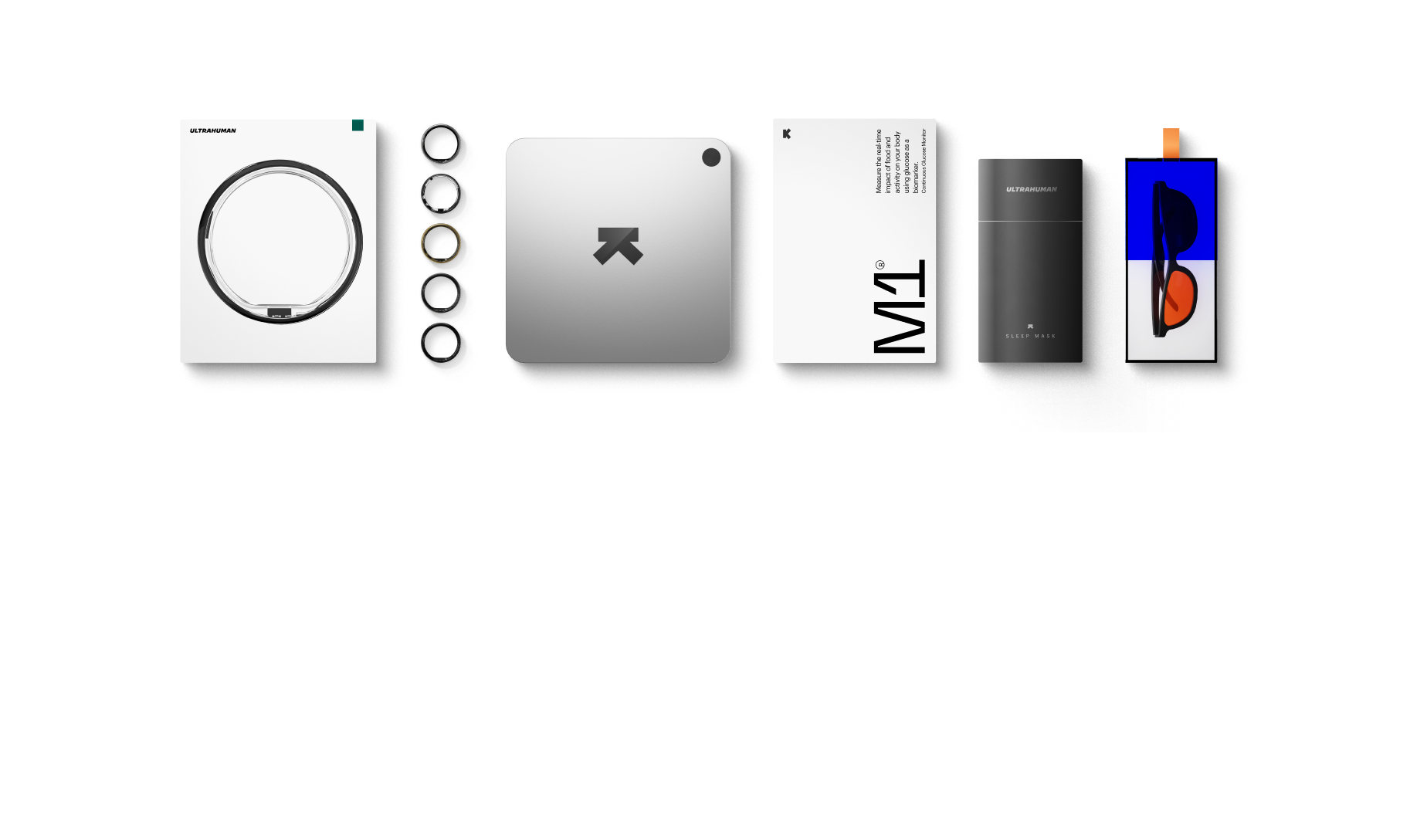
Ultrahuman M1 helps you measure the impact of food and activity on your body in real time through glucose as a biomarker.
Explore Ultrahuman M1Find Glucose response for your favourite foods
Explore OGDbYour cart is empty
Browse through our products and find something for you.