


Sleep180 members
What does a hot sauna do to your sleep?
Sleep scores rose 1.48 points on sauna nights, and estimated deep sleep fell about 4 minutes.
Medically reviewed by Mukul Mittal, MD
Ultrahuman compared sauna nights against each member's own other nights, across 180 Ultrahuman Ring members between June 2025 and May 2026. Sleep grew more efficient and overnight heart rate settled — and on those same nights, estimated deep sleep ran shorter.
The figure in this piece answers in plain units — pick a readout where the plate says Ask our data.
Sauna nights ran a little smoother and a little shallower for 180 Ultrahuman members, each measured against their own other nights. Efficiency, the sleep score and overnight resting heart rate all shifted the calm way, while estimated deep sleep gave back about 4 minutes. Figure 1 lines up all eight readouts.
The numbers
Across the night the calming signals moved together, and the deepest stage was the one that moved against them.
Sleep efficiency rose 0.88 percentage points and the sleep score rose 1.48 points, each against the same member's own other nights.
Overnight resting heart rate fell 0.66 bpm on sauna nights, measured against each member's own baseline.
Estimated deep sleep fell about 4 minutes — about 1 percentage point of the night — the one readout that moved the wrong way for rest.
Overnight heart rate variability held steady, moving 0.41 ms — too little to call — and total sleep length barely moved at 4.07 minutes.
What changes on a sauna night?
The night gets more efficient and a little less deep. On nights a member sat in a sauna or an infrared sauna, sleep efficiency rose 0.88 percentage points and the sleep score rose 1.48 points against that member's own other nights (Cohen's d 0.34 for efficiency and 0.30 for the score — a small but steady shift). Five of the eight readouts land clear of no change while three sit on it, and the gain was in how settled the night ran rather than how long it lasted. A meta-analysis of 17 warm-bath trials found the same direction: heating the body an hour or two before bed went with shorter sleep onset and higher efficiency, as the body cooled afterwards [1]. A sauna loads more heat than a bath, so the cooling that follows is steeper.
Figure 1 · Interactive
What moved on sauna nights, and what did not
Eight Ring readouts as within-member effect sizes. Five sit clear of no change; three rest on it.
Ask Our Data
Answered on this page — nothing you type leaves itThe answer restates the shift in its own units, not the standardised size.
180 members · the Ultrahuman Ring · each member's own other nights
A horizontal plot of eight Ultrahuman Ring sleep readouts on sauna nights. Sleep efficiency, the sleep score, a lower resting heart rate, and estimated deep sleep in minutes and share of the night all sit clear of no change. Heart rate variability, total sleep length and body-temperature deviation rest on the line.
Why does the deepest sleep dip when the rest improves?
Deep sleep tracks the body shedding heat, and a sauna leaves more heat to shed. Estimated deep sleep fell about 4 minutes on sauna nights, about 1 percentage point of the whole night. A review of how the temperature around you shapes sleep reported that heat lasting through the night goes with more wakefulness and less of the deepest sleep stage [2]. The second half of this matches what the Ring saw here: deep sleep dips, but the nights ran more efficiently rather than broken — a sauna's heat ends before sleep starts, while that review described heat that stays all night.
A sauna close to bedtime carries residual core warmth into the first hours of sleep, and the body spends that time cooling rather than settling into slow waves. Mild warmth at the skin runs the other way and sits alongside deeper sleep, but only when the core is left alone: one study that raised skin temperature by 0.4°C without touching core temperature saw sleep shift towards its deeper stages [3]. A sauna moves the core, not just the skin, so the deepest stage gives a little back.
Does a sauna touch your overnight heart rate?
The floor of the night sits lower, and heart rate variability stays where it was. Overnight resting heart rate fell 0.66 bpm on sauna nights, measured against each member's own baseline — a small nudge towards a calmer night. Heart rate variability barely moved, shifting 0.41 ms, too little to read as a real change. A randomised trial of 38 sedentary adults found that adding a sauna after exercise gave no extra gain in variability over the exercise alone [4]. A single infrared session left overnight variability flat in a group of 16 athletes [5]. Pooling twenty passive-heating trials, Hamaya and colleagues, writing in the American Journal of Preventive Cardiology, concluded that heating “may not improve most of the cardiometabolic or vascular health markers” [6]. The lower resting rate is real and small, and the flat variability cannot be told from an ordinary night.
What this analysis can't tell you
A sauna session is tagged by date, not by the clock. A session two hours before bed and one at noon land in the same night, so timing is the likeliest reason the deepest stage slips: a hotter, later session carries more residual warmth into sleep than an afternoon one. The comparison sets each member against their own other nights, usually 200 to 360 of them, holding age, sex and baseline fitness steady but not whatever else happened that week. And Ultrahuman members choose to wear a Ring and track their nights, so this group is likely more attentive to sleep than most. Sleep stages here are estimated by the ring, partly from heart rate, so anything that moves heart rate — a hot sauna included — can shift them without changing EEG-defined sleep.
What this means for you
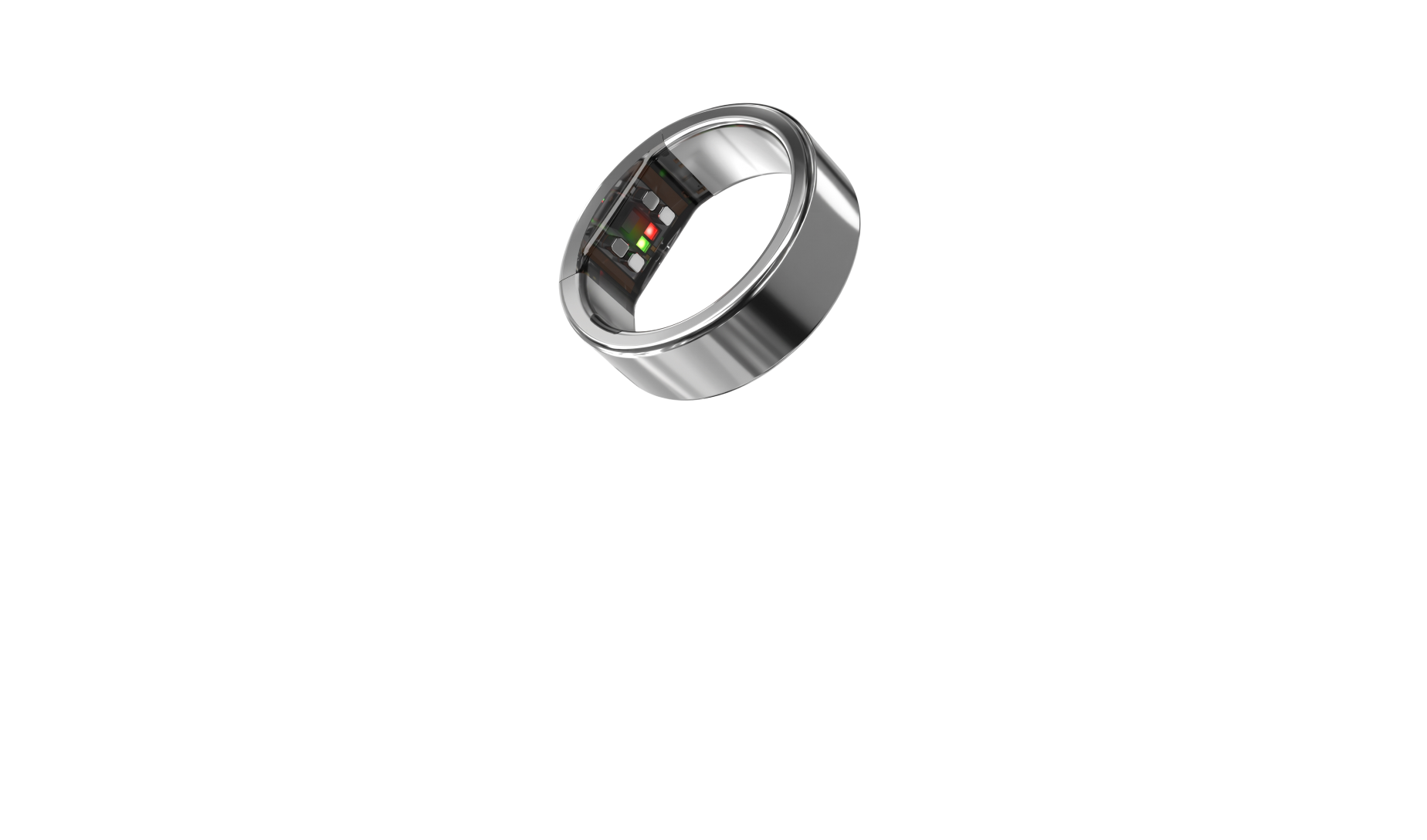
If your sleep score climbs on a sauna night, that rise is the settling of the night; deep sleep ran slightly shorter. Use the sauna for how settled it makes the night feel — if the deep-sleep dip bothers you, an earlier session is the thing to try. Watch the change across a week of your own nights rather than reading one. The Ultrahuman Ring records every readout in Figure 1, so you can run that check on your own nights.
Frequently asked questions
My sleep score went up after a sauna, so why do I still feel less rested?
Because the score leans on how settled the night was more than on its depth. On sauna nights the sleep score rose 1.48 points and the night ran more efficiently, while estimated deep sleep fell about 4 minutes. Those are small group averages, and your own night can swing much further. The useful check is whether your deep sleep and your resting heart rate look different from your recent nights, rather than whether the score ticked up.
What is a sauna doing to my sleep in the first place?
It is loading heat that the night then has to shed. A hot sauna raises core temperature, and for the first hours of sleep the body works on cooling down instead of dropping into its deepest stage, which is where the deep-sleep dip shows up [2]. At the same time the settling that follows a heat load goes with a more continuous night, so efficiency and the sleep score edge up even as the deepest stage dips.
Who does this not apply to?
Anyone whose sauna use looks nothing like this group's. The numbers are averages across 180 members, each compared against their own other nights, so they describe a typical sauna night, not yours in particular. They also say nothing about people using a sauna under medical guidance, or about sessions far hotter, longer or later than the ones this group logged, where the balance could sit somewhere else entirely.
References
- Haghayegh et al. Sleep Medicine Reviews 2019. PMID: 31102877.
- Okamoto-Mizuno and Mizuno. Journal of Physiological Anthropology 2012. PMID: 22738673.
- Raymann et al. Brain 2008. PMID: 18192289.
- Lee et al. Physiological Reports 2025. PMID: 40611569.
- Ahokas et al. Biology of Sport 2023. PMID: 37398966.
- Hamaya et al. American Journal of Preventive Cardiology 2025. PMID: 41049507.
This is an observational analysis of Ultrahuman member data. It describes associations, not causation, and it is not a diagnosis or a substitute for medical advice.