


Dhokla (1 Piece) and Kachori (1 Piece)
 Afternoon Snack
199 mg/dL
avg. peak value
Usually causes a large spike
Avg. Food Score on Ultrahuman App
100%
Ultrahuman Users got an UNSTABLE response
How to consume Dhokla, Kachori without glucose spikes
Portion Control
Limit the quantity of Dhokla and Kachori you consume to reduce the overall carbohydrate intake.
Balanced Meals
Pair Dhokla and Kachori with high-fiber vegetables like spinach, kale, or broccoli that can help moderate blood sugar levels.
Healthy Fats
Include sources of healthy fats such as avocado, nuts, or seeds in your meal. This can slow down the absorption of carbohydrates.
Protein Addition
Incorporate a protein source like tofu, paneer, or lentils to help stabilize blood sugar levels.
Stay Hydrated
Drink plenty of water throughout the day, as proper hydration can help with glucose metabolism.
Physical Activity
Engage in a light walk or some form of physical activity after meals to help regulate blood sugar levels.
Mindful Eating
Eat slowly and mindfully to allow your body to properly process the food and recognize when you are full.
Meal Timing
Avoid consuming Dhokla and Kachori on an empty stomach. Instead, have them as part of a balanced meal.
Alternative Flours
Consider using chickpea flour or other lower-carb alternatives to make homemade versions of these dishes.
Herbal Teas
Incorporate herbal teas like green tea or cinnamon tea after your meal to help manage blood sugar spikes.
Discover
metabolic
health with M1
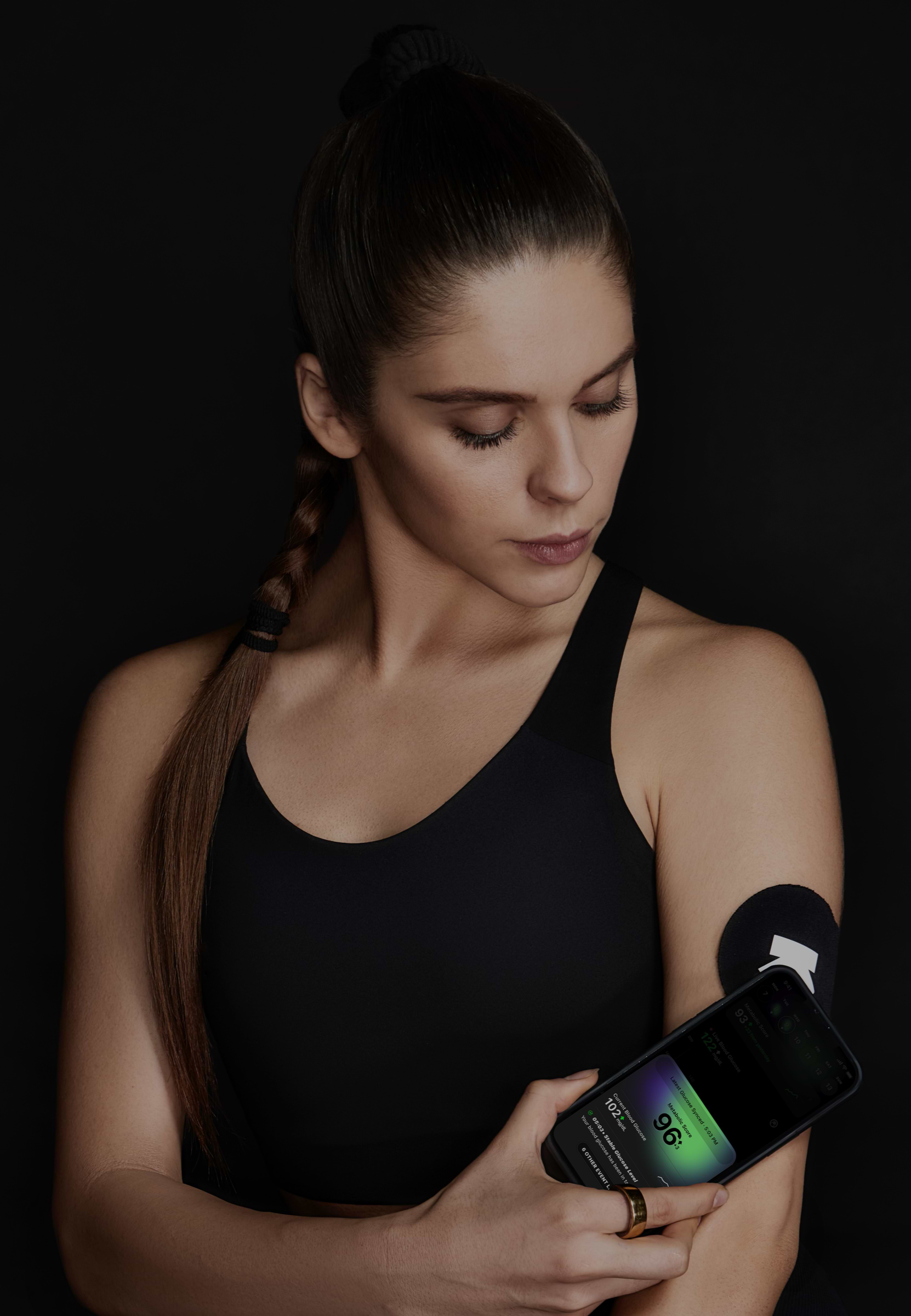
Ultrahuman M1 helps you measure the impact of food and activity on your body in real time through glucose as a biomarker.
Explore Ultrahuman M1Find Glucose response for your favourite foods
Explore OGDb