

Introducing Pulsomics. A foundational model of the human pulse. Share your ring data with open research and help map how people sleep, recover and age. Learn MoreIntroducing Pulsomics. Contribute to science.
M2 Live is here. Continuous Glucose Tracking, no Rx
Introducing Pulsomics. A foundational model of the human pulse. Share your ring data with open research and help map how people sleep, recover and age. Learn MoreIntroducing Pulsomics. Contribute to science.
Ultrahuman Ring
Choose the ring built for you.

Performance Lab
Train, test and recover at our Bengaluru facility.


Science & Research

Fruits (1 piece)
 Dinner
166 mg/dL
avg. peak value
Usually causes a large spike
Avg. Food Score on Ultrahuman App
70%
Ultrahuman Users got an UNSTABLE response
How to consume Fruits without glucose spikes
Choose smaller portions of fruit and spread them across the day instead of eating a large bowl at once.
Favor whole, intact fruit such as berries, apples, pears, oranges, or cherries; avoid juice, smoothies, dried fruit, and fruit purée.
Eat fruit with protein and fat, such as plain Greek yogurt, cottage cheese, eggs, or a small handful of nuts or seeds.
Have fruit after or alongside a balanced meal containing non-starchy vegetables, protein, and healthy fats rather than on an empty stomach.
Keep the peel and edible seeds when possible, and choose less-ripe fruit over very ripe fruit to increase fiber and slow absorption.
Check your glucose before eating and again afterward to identify your personal triggers; discuss repeated large spikes with your clinician or diabetes educator.
Powered by ChatGPT. ChatGPT's information is based on machine learning and may not be entirely accurate or reliable. Consult a healthcare professional before changing your lifestyle, diet or treatment. We don't endorse any specific foods, products and assume no liability for any loss or damage caused by relying on ChatGPT.

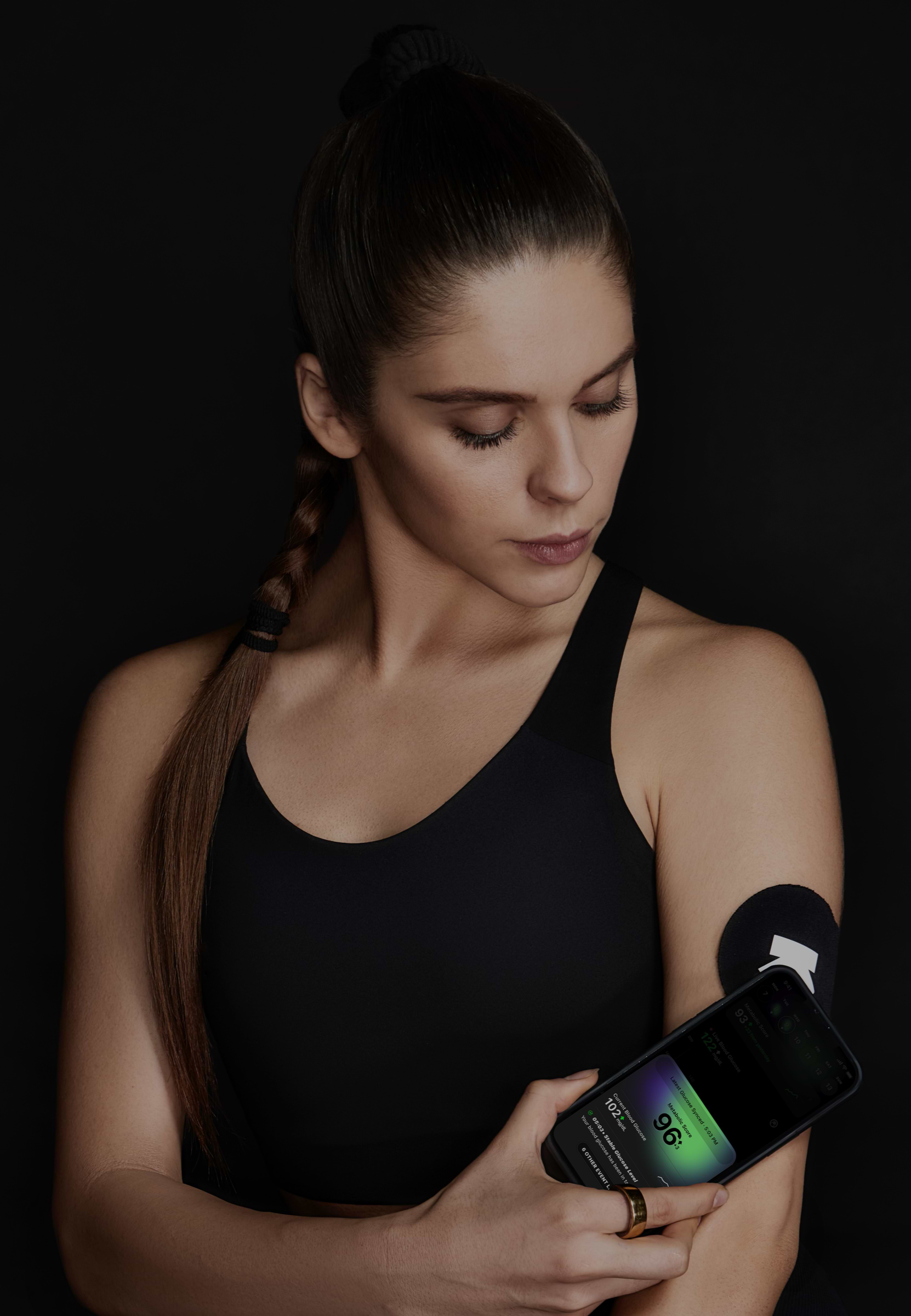
Discover
metabolic
health with M2
Ultrahuman M2 helps you measure the impact of food and activity on your body in real time through glucose as a biomarker.
Explore Ultrahuman M2Find Glucose response for your favourite foods
Explore OGDbYour cart is empty
Looks like you haven't added anything yet. Explore our products to get started.