
Loading...

Home Made - Simple Rava Upma (1 cup)

food-timeBreakfast

How to consume Home Made - Simple Rava Upma without glucose spikes
Incorporate More Vegetables

Add a variety of non-starchy vegetables such as spinach, bell peppers, and carrots to your Rava Upma. These vegetables are not only low in carbohydrates but also provide fiber, which can help moderate blood sugar levels.

Use Whole Grain Rava

Opt for whole grain or coarse semolina instead of refined semolina. Whole grains are digested more slowly, leading to a gradual release of glucose into the bloodstream.

Add Protein Sources

Include protein-rich foods like boiled legumes, tofu, or paneer in your Upma. Protein can help slow down the absorption of carbohydrates, preventing sudden spikes.

Incorporate Healthy Fats

Add healthy fats such as a small amount of ghee, olive oil, or nuts like almonds and walnuts. Fats can help slow digestion and stabilize blood sugar levels.

Serve with a Side Salad

Pair your Rava Upma with a side salad made from leafy greens, cucumbers, and tomatoes. The fiber in the salad can further help in managing blood sugar levels.

Smaller Portions

Reduce portion size to control the amount of carbohydrates consumed in one sitting, which can help in reducing post-meal glucose spikes.

Include Fermented Foods

Serve with a small portion of fermented foods like yogurt or buttermilk, which may have beneficial effects on digestion and blood sugar control.

Stay Hydrated

Drink plenty of water throughout the day. Staying hydrated can help maintain optimal blood sugar levels.

Monitor Meal Timing

Eat smaller, frequent meals throughout the day instead of large meals, as this can help avoid significant fluctuations in blood sugar levels.

Physical Activity

Engage in light physical activity after eating, such as a short walk, to help facilitate glucose uptake by the muscles and promote better blood sugar control.

healthspan-mbl

Discover
metabolic
health with M1

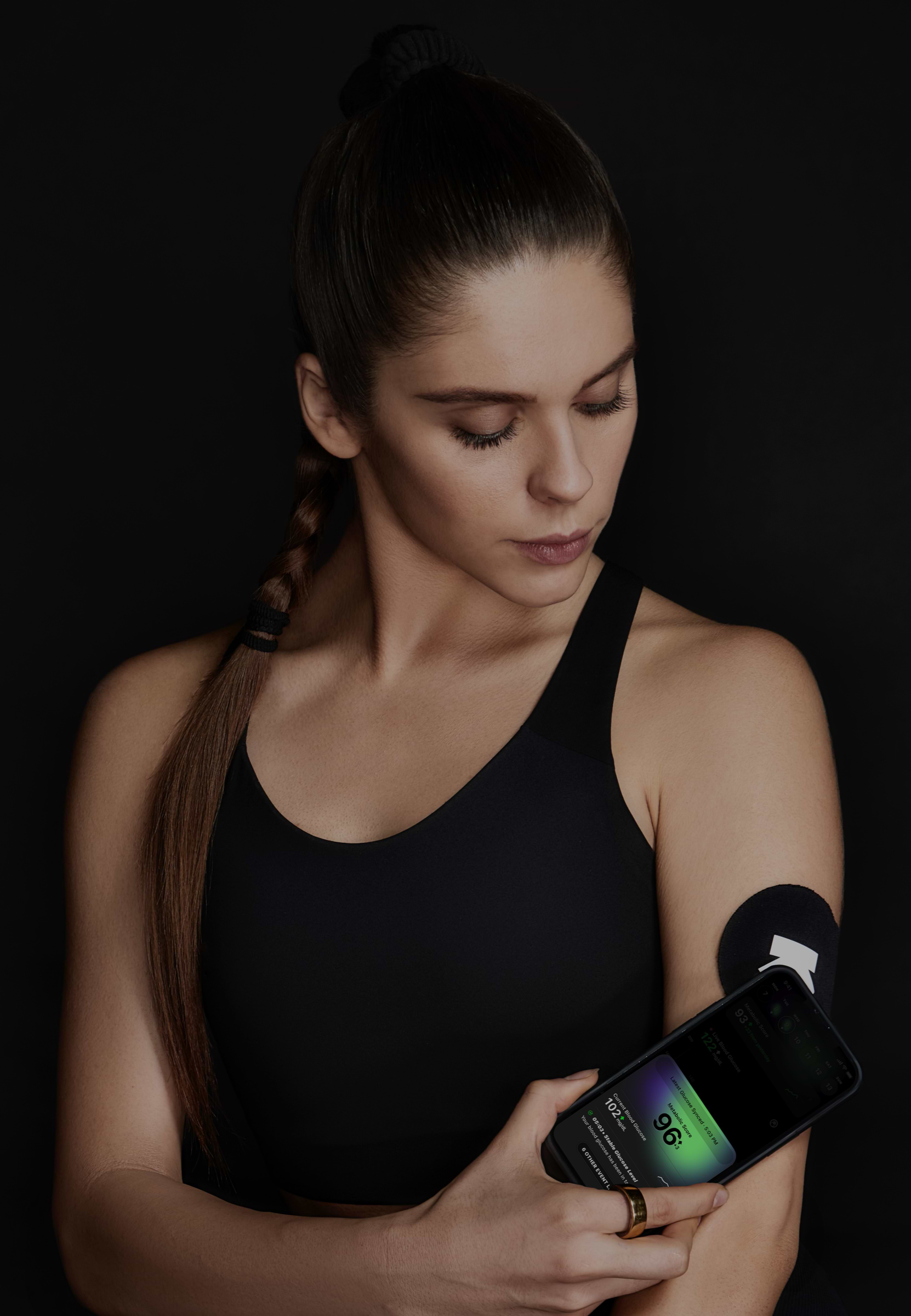
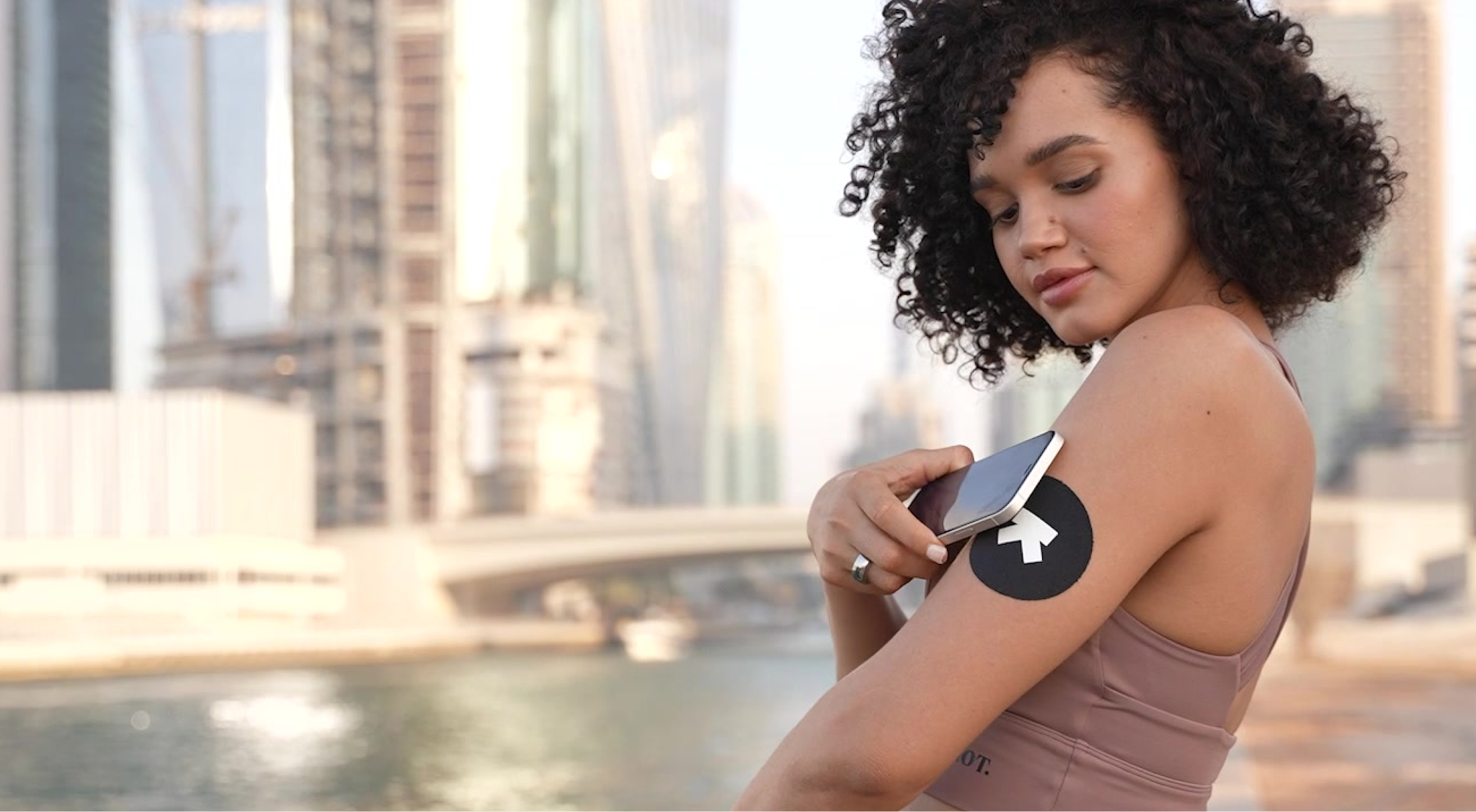
Ultrahuman M1 helps you measure the impact of food and activity on your body in real time through glucose as a biomarker.

Explore Ultrahuman M1

Find Glucose response for your favourite foods

Explore OGDb