
Introducing Pulsomics. Contribute to science. Learn MoreIntroducing Pulsomics. Contribute to science.
M2 Live is here. Continuous Glucose Tracking, no Rx
Introducing Pulsomics. Contribute to science. Learn MoreIntroducing Pulsomics. Contribute to science.
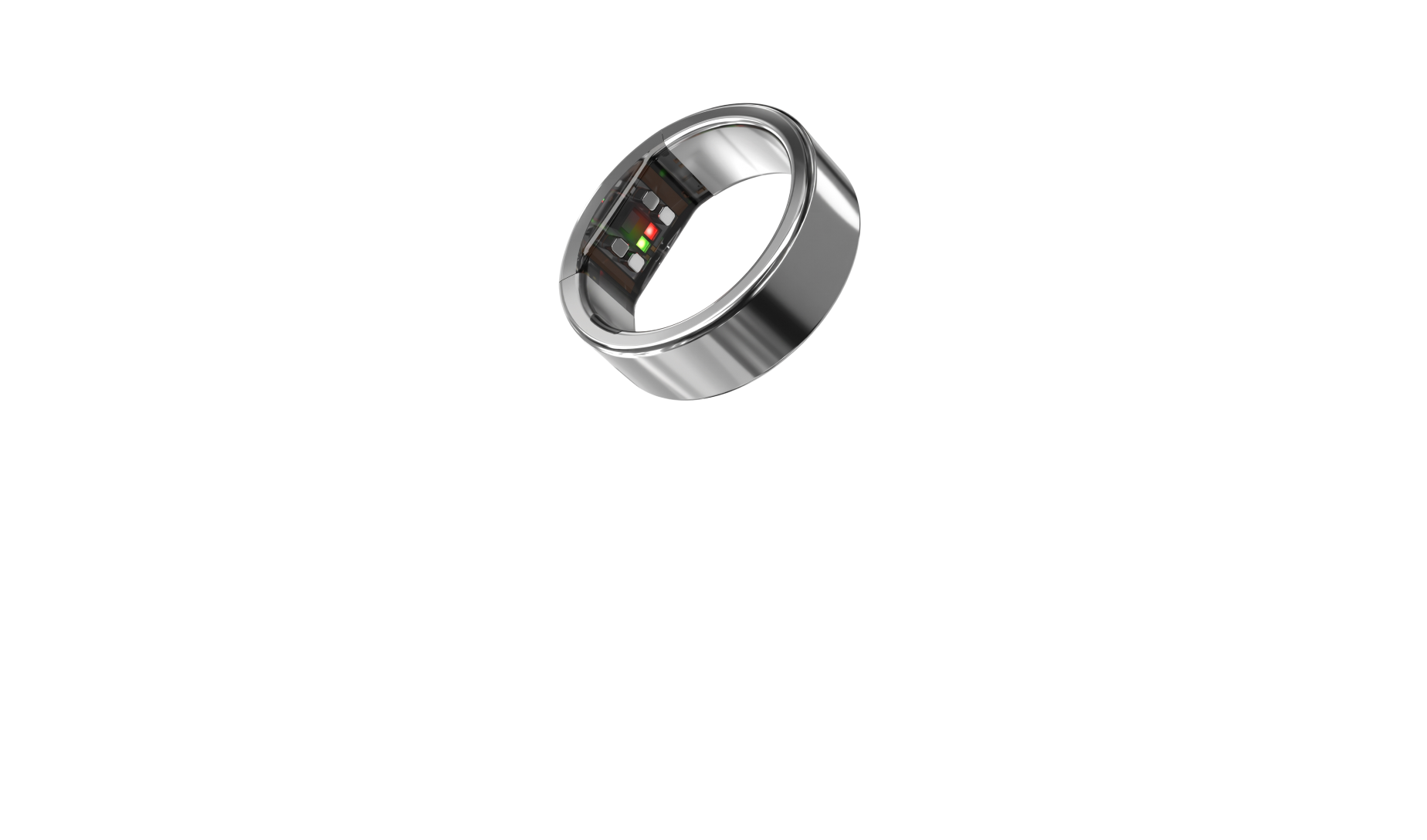
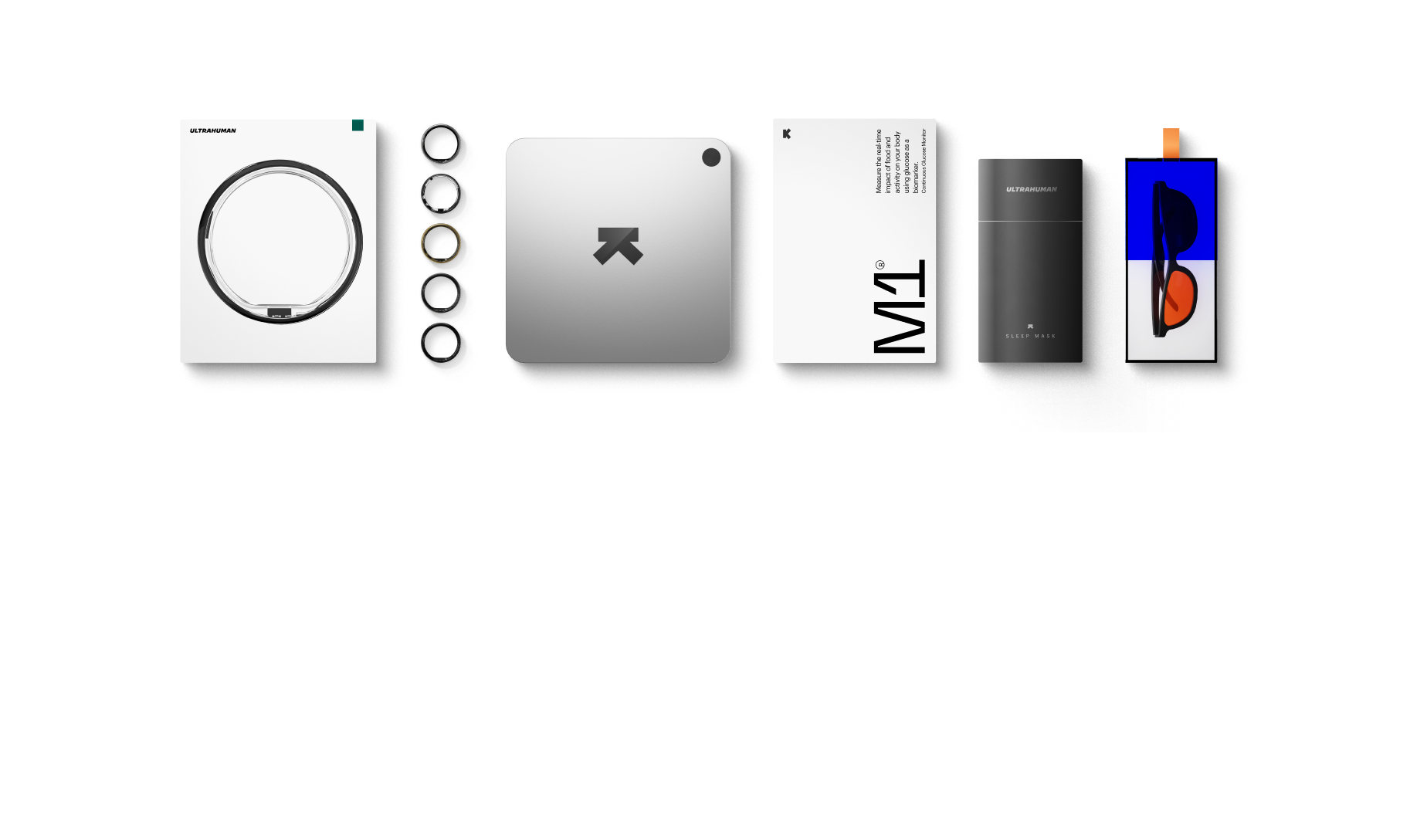
Ultrahuman Ring
Choose the ring built for you.

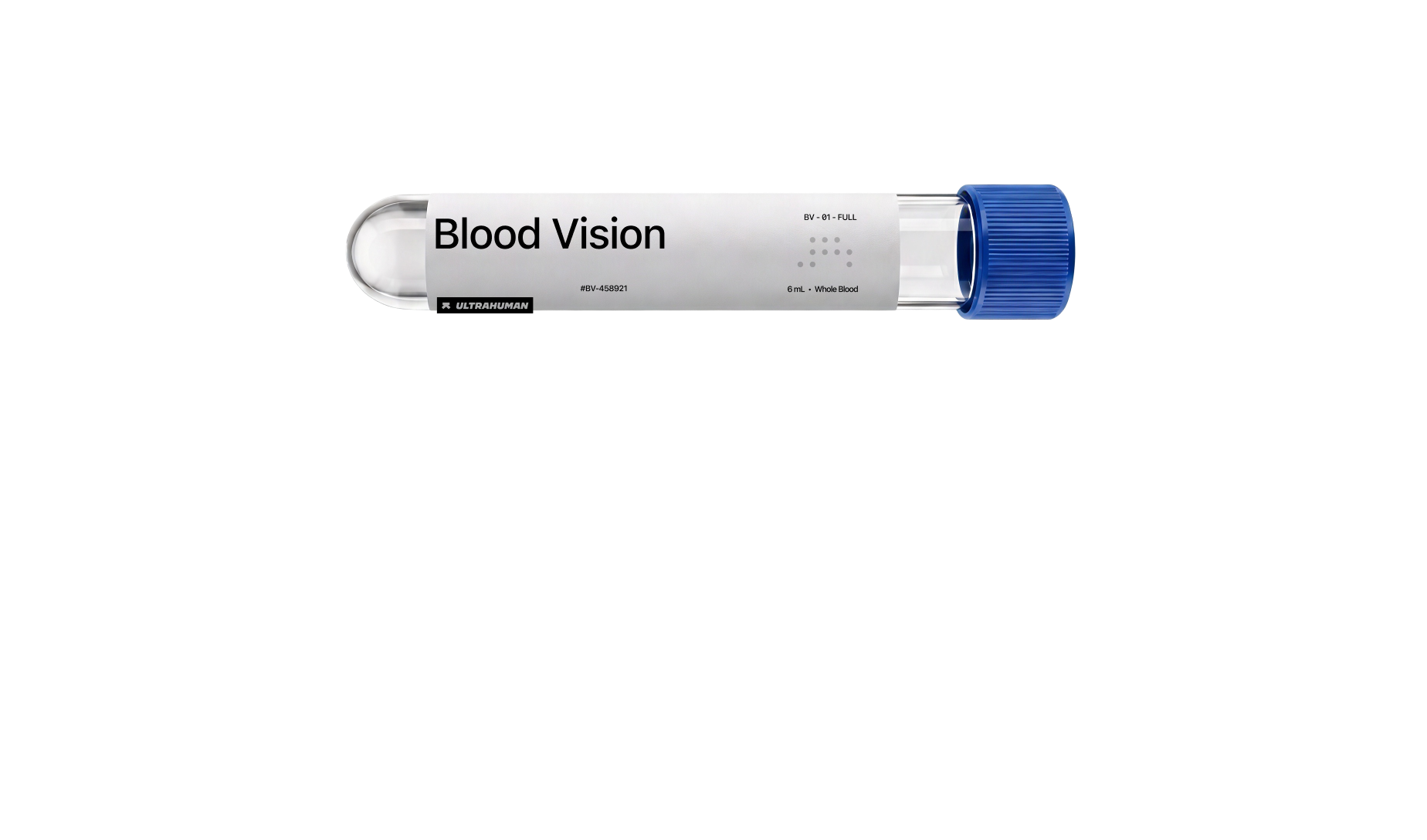
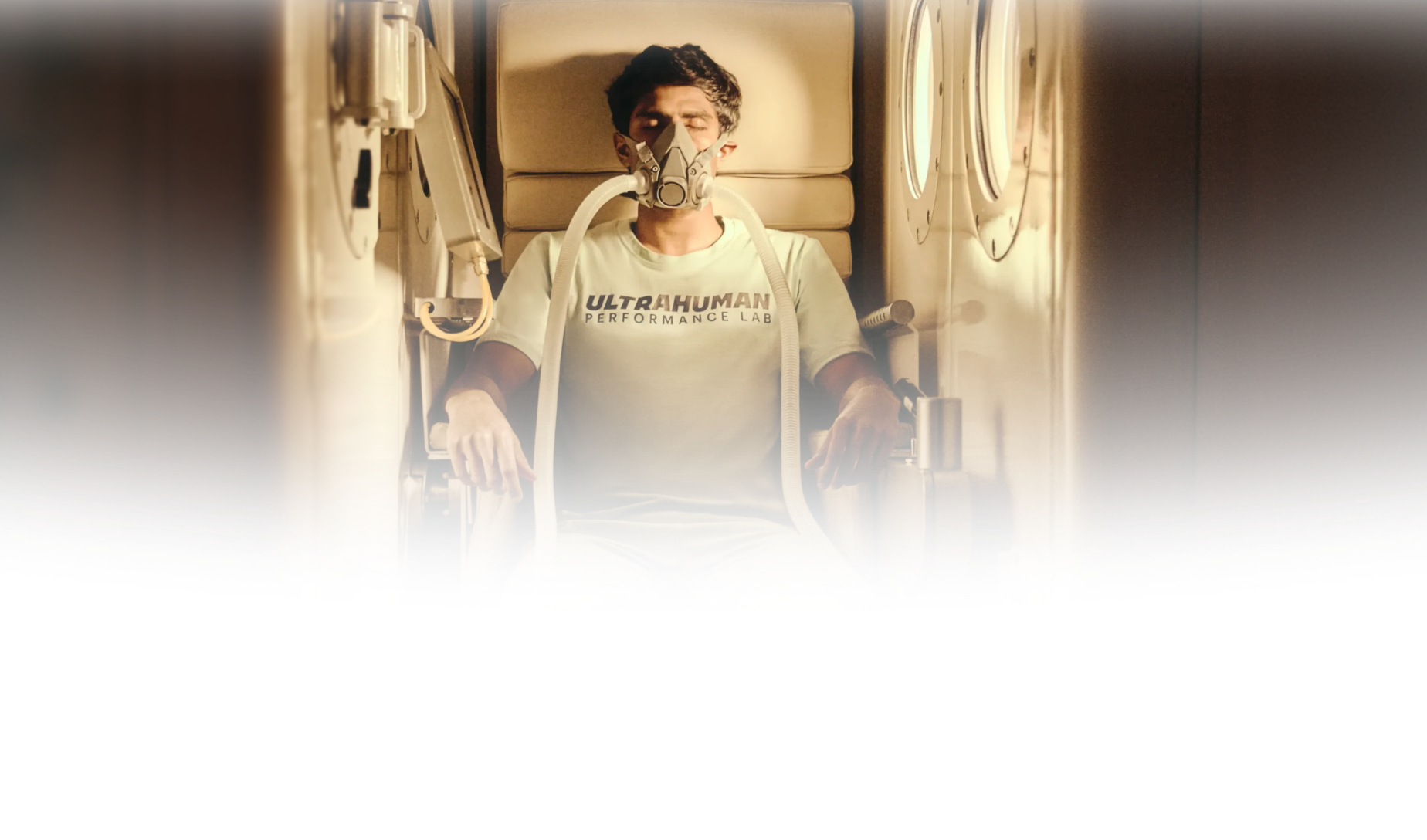
Performance Lab
Train, test and recover at our Bengaluru facility.
Science & Research

Chickpeas (Garbanzo Beans, Bengal Gram) (Mature Seeds) (1 Cup)
 Dinner
126 mg/dL
avg. peak value
Usually causes a medium spike
Avg. Food Score on Ultrahuman App
69%
Ultrahuman Users got an UNSTABLE response
Other related foods
- chickpeas
- kabuli chana chickpeas roti
- kabuli chana chickpeas
- cooked dry chickpeas
- chickpeas garbanzo beans bengal gram mature seeds without salt cooked boiled
- chickpeas garbanzo beans bengal gram mature seeds canned
- chickpeas garbanzo beans bengal gram mature seeds with salt cooked boiled
- roasted chickpeas
- chickpeas garbanzo beans bengal gram mature seeds
- chai turkish roasted chickpeas
How to consume chickpeas (garbanzo beans, bengal gram) (mature seeds) without glucose spikes
Portion Control
Reduce the quantity of chickpeas in your meal. Smaller portions can help moderate the glucose response.
Add Healthy Fats
Incorporate foods like avocados, nuts, or olive oil. Healthy fats can slow down the absorption of carbohydrates.
Include Protein
Add a protein source such as chicken, tofu, or eggs to your meal. Proteins can help stabilize blood sugar levels.
Opt for Whole Grains
If you are having chickpeas as part of a mixed dish, choose whole grains like quinoa or barley instead of refined grains.
Incorporate Fiber-Rich Vegetables
Add non-starchy vegetables like spinach, broccoli, or kale to your meal, which can slow the digestive process.
Eat Vinegar or Lemon Juice
Adding a splash of vinegar or lemon juice to your dish can help reduce the glucose spike.
Stay Hydrated
Drink plenty of water before and during your meal, which can aid in digestion and glucose regulation.
Exercise Post-Meal
Engage in light physical activity, such as a brisk walk, after eating to help lower blood sugar levels.
Cook Chickpeas Al Dente
Avoid overcooking chickpeas, as less cooking can result in a lower glucose response.
Monitor Meal Timing
Avoid eating large amounts of chickpeas late at night when your body may process carbohydrates less efficiently.
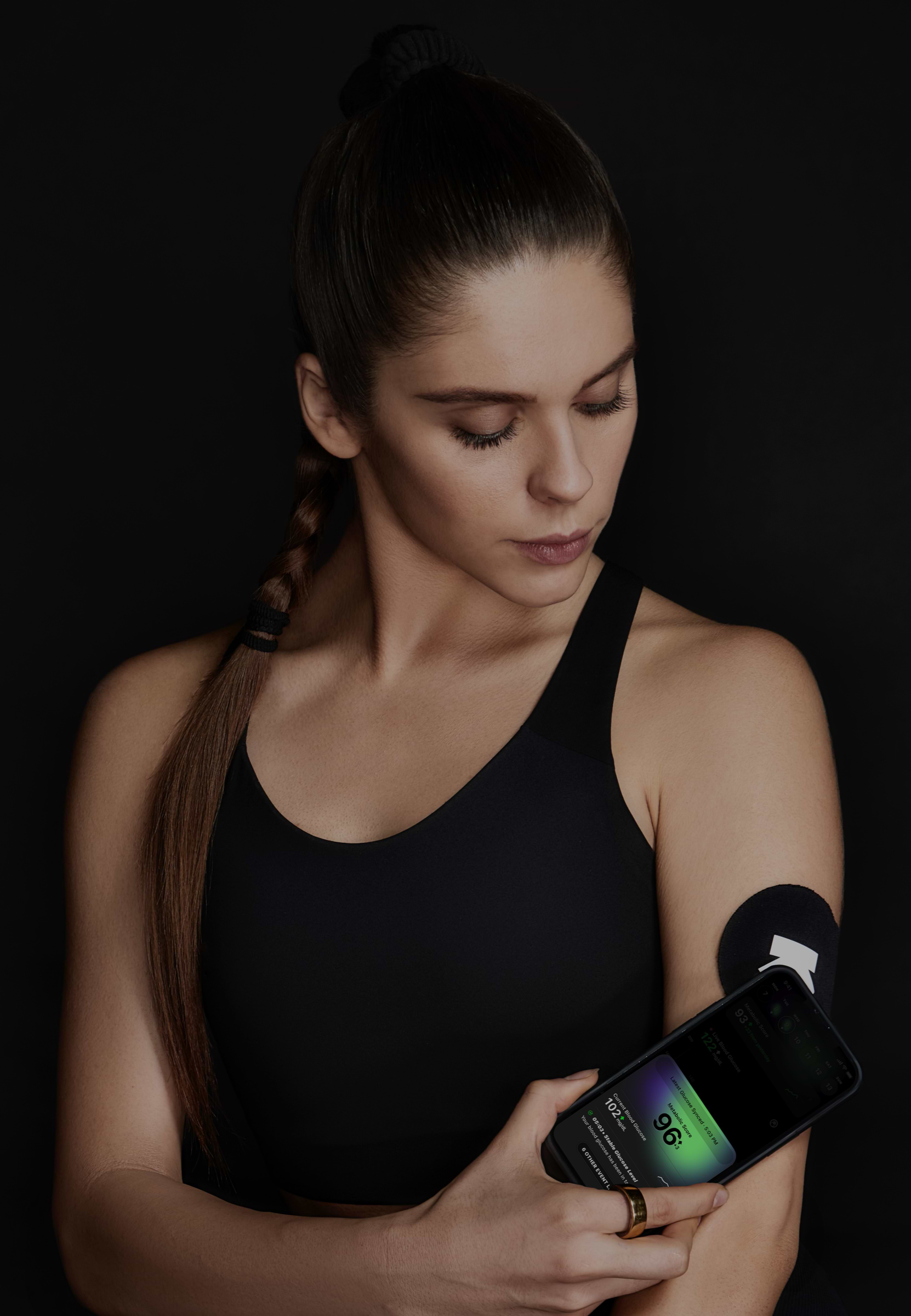
Discover
metabolic
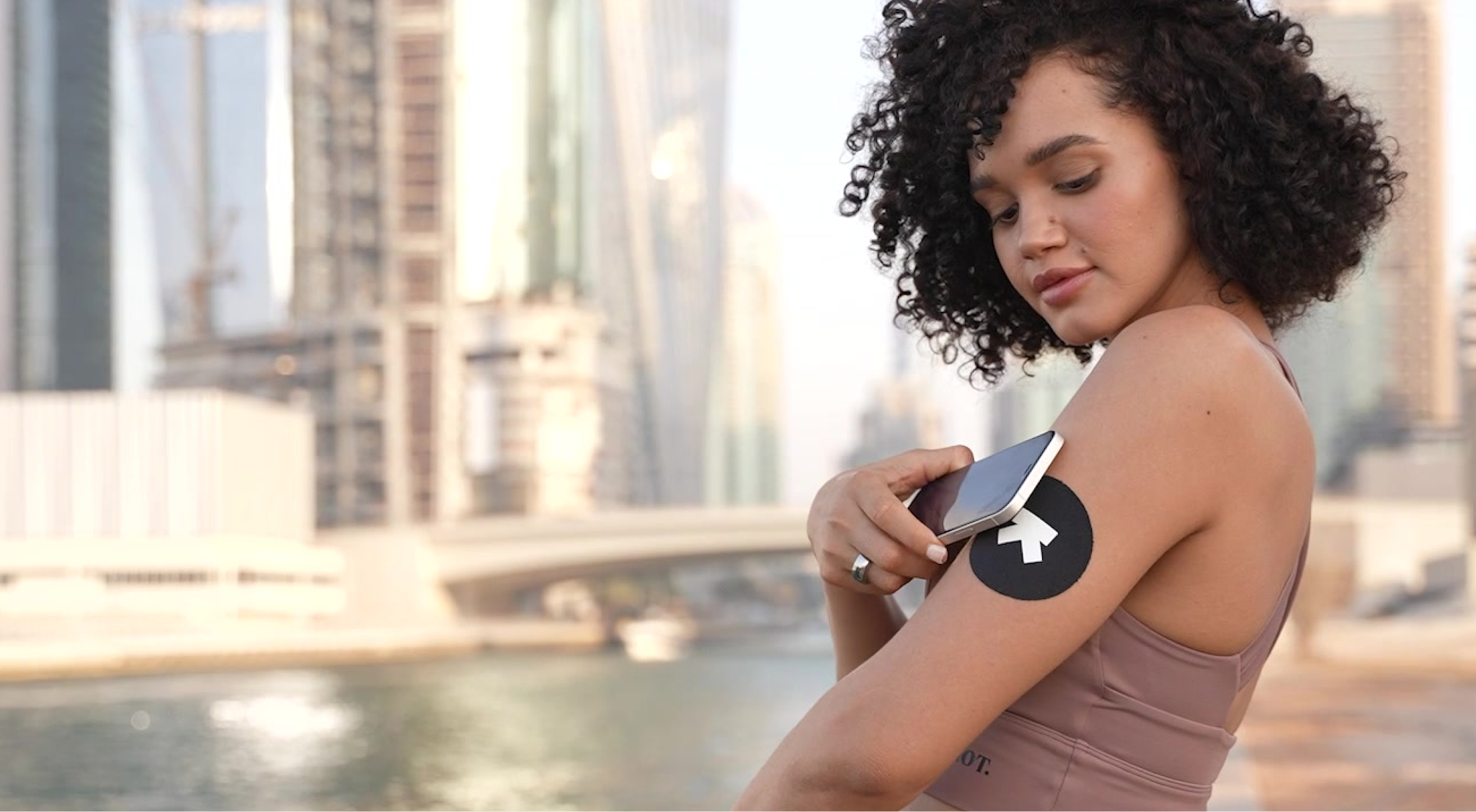
health with M1
Ultrahuman M1 helps you measure the impact of food and activity on your body in real time through glucose as a biomarker.
Explore Ultrahuman M1Find Glucose response for your favourite foods
Explore OGDbYour cart is empty
Looks like you haven't added anything yet. Explore our products to get started.