
Loading...

Pesarattu (1 piece)

food-timeBreakfast

174 mg/dL

avg. peak value

Usually causes a large spike

2

Avg. Food Score on Ultrahuman App

85%

Ultrahuman Users got an UNSTABLE response

How to consume Pesarattu without glucose spikes

Pair with Protein

Include a protein source like Greek yogurt or a boiled egg as part of your meal to help slow down the absorption of carbohydrates.

Add Fiber

Incorporate high-fiber foods such as a small salad with leafy greens, cucumber, or tomatoes to help regulate blood sugar levels.

Use Smaller Portions

Reduce the portion size of Pesarattu to lower the overall carbohydrate intake and avoid a large spike.

Incorporate Healthy Fats

Add a small serving of avocado or a handful of nuts like almonds to your meal, which can help slow digestion.

Stay Hydrated

Drink plenty of water before and after your meal to help your body process carbohydrates more efficiently.

Eat Slowly

Take your time to chew and enjoy your food thoroughly, which can help improve digestion and reduce the speed of sugar entering your bloodstream.

Add Vinegar

Consider adding a small amount of vinegar to your meal, such as in a salad dressing, as it may help moderate blood sugar levels.

Exercise Post-Meal

Engage in a light activity, like a short walk, after eating to help your muscles use glucose for energy.

Monitor Meal Timing

Try to have Pesarattu as part of a balanced meal at a time when your body can better handle carbohydrates, such as during breakfast or lunch.

Stay Consistent with Meals

Maintain regular meal times to help your body manage blood sugar levels more effectively throughout the day.

healthspan-desktophealthspan-mbl

Discover
metabolic
health with M1

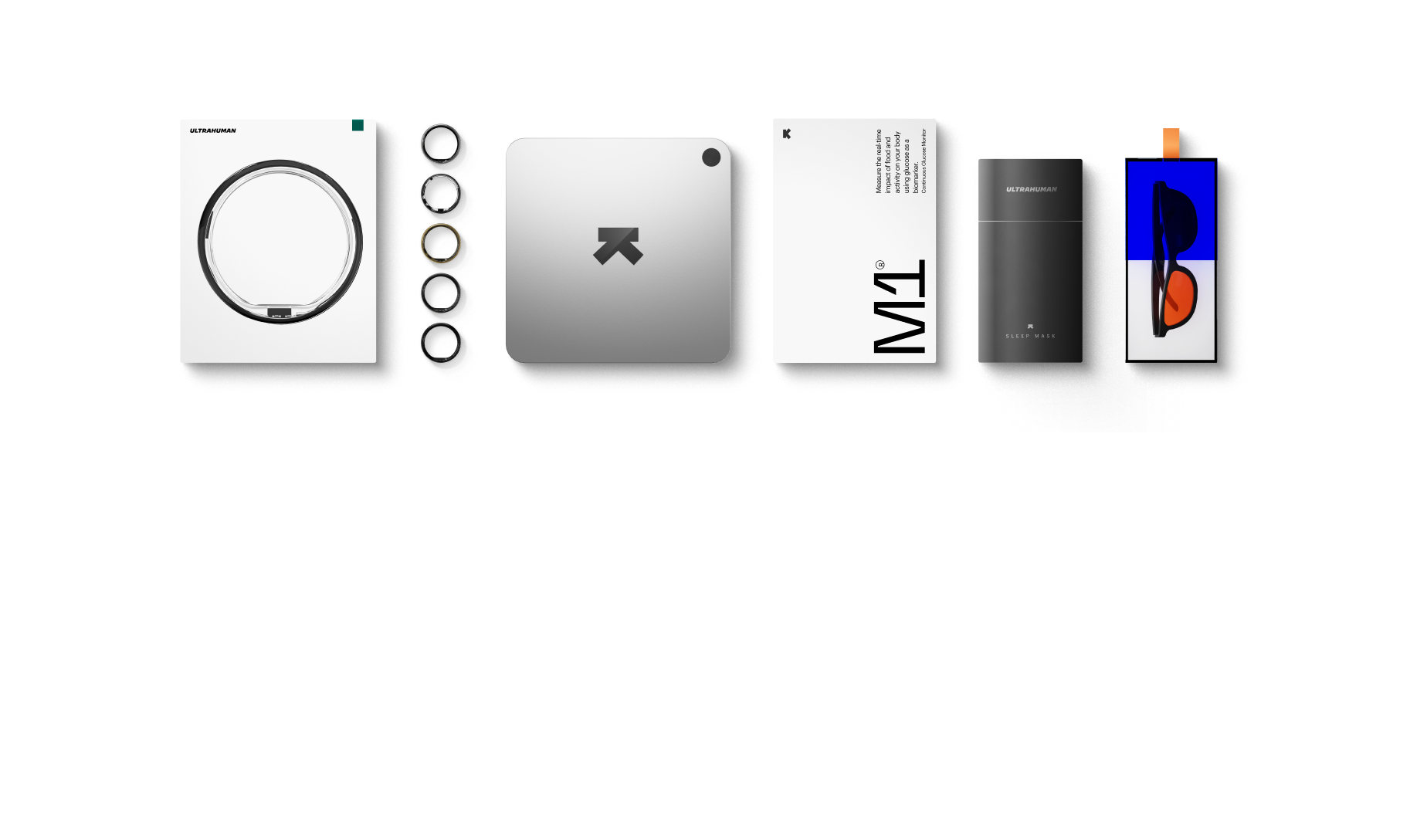
Ultrahuman M1 helps you measure the impact of food and activity on your body in real time through glucose as a biomarker.

Explore Ultrahuman M1

Find Glucose response for your favourite foods

Explore OGDb