





How to use Jade to explore your health data
Medically reviewed by Mukul Mittal, MD
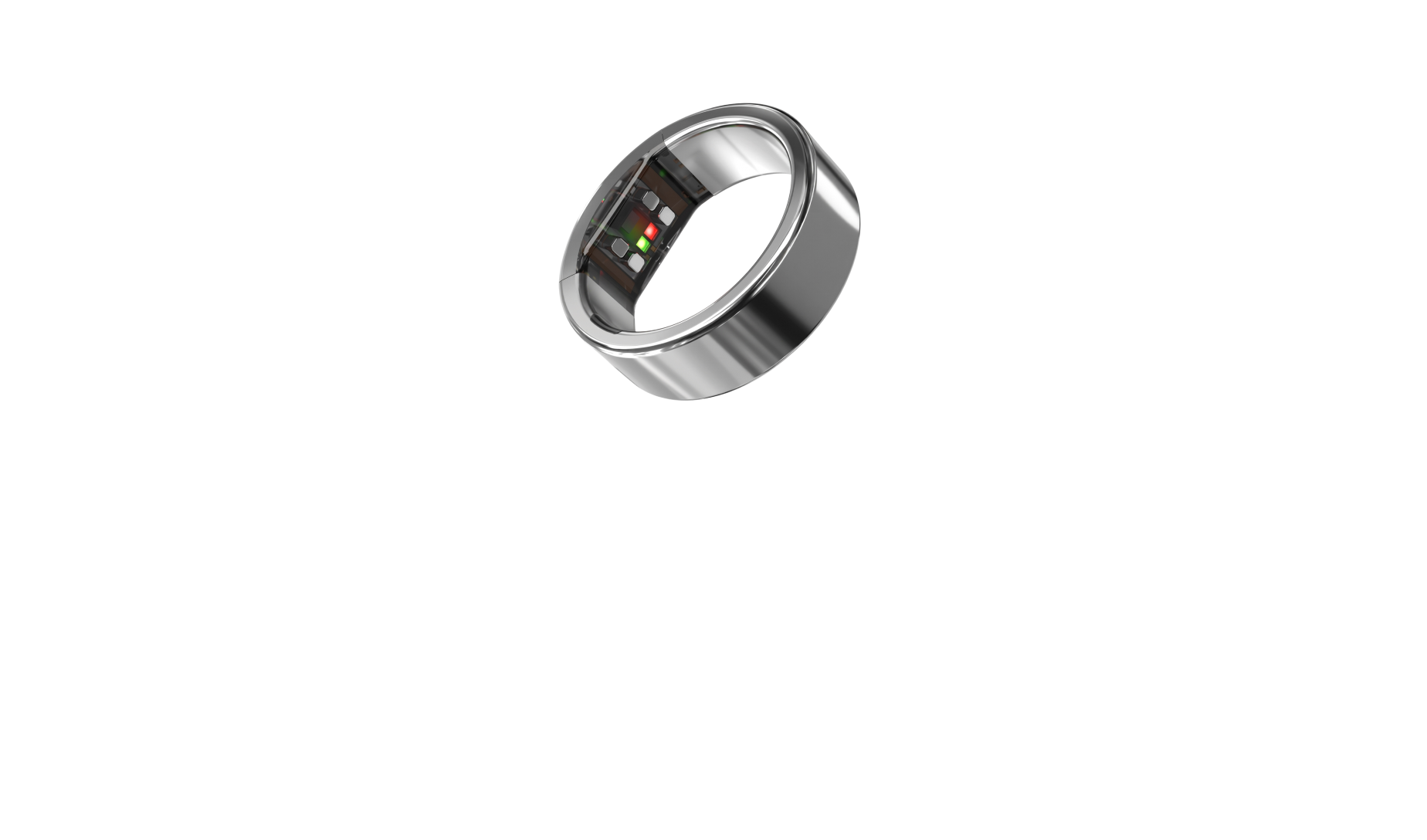
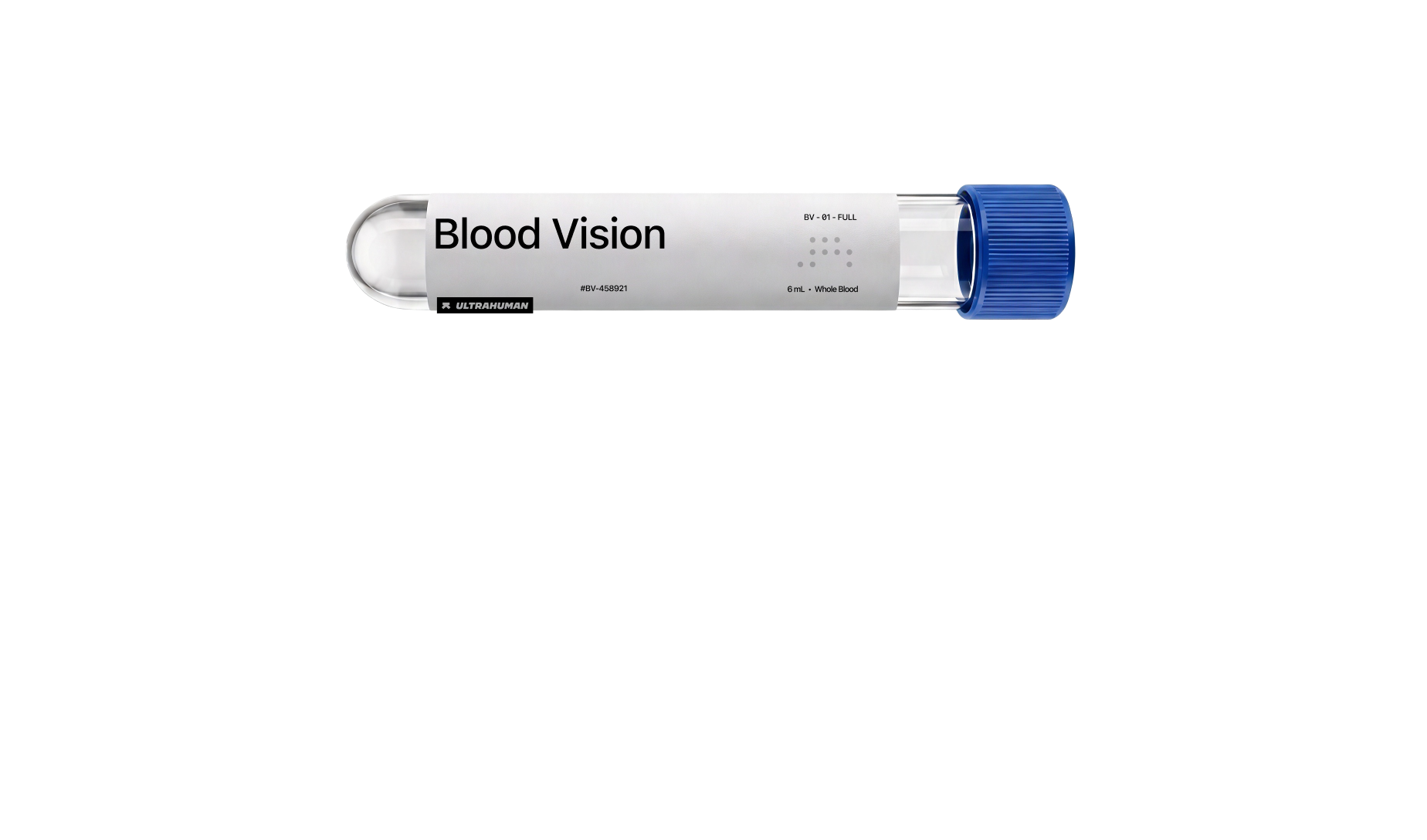
Jade is the AI assistant built into the Ultrahuman app. You ask it about your health in your own words, and it answers from your own data. That data is your Ring's readings, plus your glucose readings if you use an Ultrahuman CGM, and your blood test results if you use Blood Vision.
Your dashboards show what happened. Ask Jade why it happened, whether it matters and what you could try. It can explain a change and suggest a next step, though it does not diagnose conditions.
In this guide, we explain how Jade builds an answer from your data, why it was designed that way, and how to read and check what it tells you.
Key takeaways
Jade has two modes: Standard for quick answers about your recent data, and Deep Research for questions that span more of your data and a longer stretch of time.
Jade answers questions about your data from your readings. For a question about a condition, it gives general health information and suggests you see a doctor.
Jade answers from your own readings, so an answer covers only the data you've recorded.
Jade doesn't diagnose or reliably rule out an emergency. Seek emergency help for severe symptoms without waiting for its answer.
How Jade works
Ask Jade a question and it looks at whichever of your readings bear on it, then replies in plain language.
From the Ring that means your sleep, heart rate, heart rate variability, temperature, and activity. If you wear an Ultrahuman CGM your glucose readings go in too, and so do your blood results if you use Blood Vision.
If you ask why your Sleep Index dropped this week, Jade analyzes which readings changed, and when.
You can keep asking in the same conversation, and it may suggest something to try, such as a breathwork session.
Why AI is more powerful with your data
We built Jade to help you read your own numbers and see where they are heading over months, not just last night.
A 2025 review of 20 studies found that language models answer medical questions better when they have the right reference material to work from. Your readings cannot stand in for medical knowledge, and that review did not look at Jade.
Jade reads your Ring, glucose, and blood results together, so a single answer can draw on all three. Standard mode replies quickly from recent data. Deep Research takes longer and reaches back further.
How to use Jade in the Ultrahuman app
Tap the Jade button at the top of the home screen in the Ultrahuman app and type your question.
Pick Standard or Deep Research at the top of the Jade screen. Your conversations are saved, so you can come back to one.
The app offers questions like these, and you can write your own.
| Topic | Platform | Questions you can ask |
|---|---|---|
| Sleep and recovery | Ring | "How did I sleep today?" "Am I overtraining?" "Which habit holds back my recovery?" |
| Heart, activity and temperature | Ring | "Is my resting heart rate improving?" "Am I training enough this week?" "Am I running above my temperature baseline?" |
| Blood glucose and metabolic health | CGM | "What spikes my blood sugar the most?" "How stable is my blood sugar all day?" |
| Blood markers | Blood Vision | "Analyze my blood work" "What should I retest in my blood work?" |
Jade responds differently depending on the question.
About your data: it answers from your readings and may suggest something to try.
About a condition: it gives general health information and suggests you see a doctor. It will not tell you whether you have the condition.
Emergency symptoms: call emergency services first. Chest pain, severe breathlessness and other emergency symptoms need help now, and Jade is not built to recognize them.
Harmful health advice: it declines.
Anything off-topic: it steers you back to your health.
What Jade can't tell you
Jade can't diagnose a condition, examine you, or order a test. It knows only what is in your Ultrahuman app, and what you tell it, so a symptom, an illness, or a medication counts only once you have logged it or mentioned it.
It can point to a pattern, but patterns have more than one possible cause, and Jade cannot tell you which one is yours.
Read the original research
All Studies →This explainer is based on original research by the Ultrahuman Science team. Explore the full Studies repository.
Frequently asked questions
Does Jade use my data to train its AI?
No. Jade uses your data to answer your questions, and no member's data is used to train a model. For how your data is handled, check Ultrahuman's privacy policy and the terms shown in the app.
Can Jade tell me if I have a medical condition?
No. Jade can explain what your data shows and suggest you see a doctor, but it doesn't diagnose.
Which mode should I use?
Start with Standard for a quick check on a recent reading. If you can wait a little longer, switch to Deep Research for a pattern over weeks or for a question that links your sleep, glucose and blood results.
What if Jade's answer doesn't match my data in the app?
Check the date, metric, units and averaging period against the app. Ask Jade to clarify the discrepancy, and report it to support if it persists. Do not base a health decision on an unresolved mismatch; the underlying sensor reading can also be wrong.
Can I ask Jade about things other than my health?
You can, but Jade will steer you back to your health. It's built for health and wellness questions, so it redirects a question about something else, such as politics or coding.
References
- Liu S, McCoy AB, Wright A. Improving large language model applications in biomedicine with retrieval-augmented generation: a systematic review, meta-analysis, and clinical development guidelines. Journal of the American Medical Informatics Association. 2025;32(4):605-615. PMID 39812777
Jade describes patterns and associations in your data, not their causes. Its answers are general wellness information, not a medical diagnosis, and they don't replace a clinician's reading of your lab results. If an answer worries you, or you notice a new or worsening symptom, speak with your physician.
Related explainers


Your cart is empty
Looks like you haven't added anything yet. Explore our products to get started.