

Introducing Pulsomics. Contribute to science. Learn MoreIntroducing Pulsomics. Contribute to science.
M2 Live is here. Continuous Glucose Tracking, no Rx
Introducing Pulsomics. Contribute to science. Learn MoreIntroducing Pulsomics. Contribute to science.
Ultrahuman Ring
Choose the ring built for you.

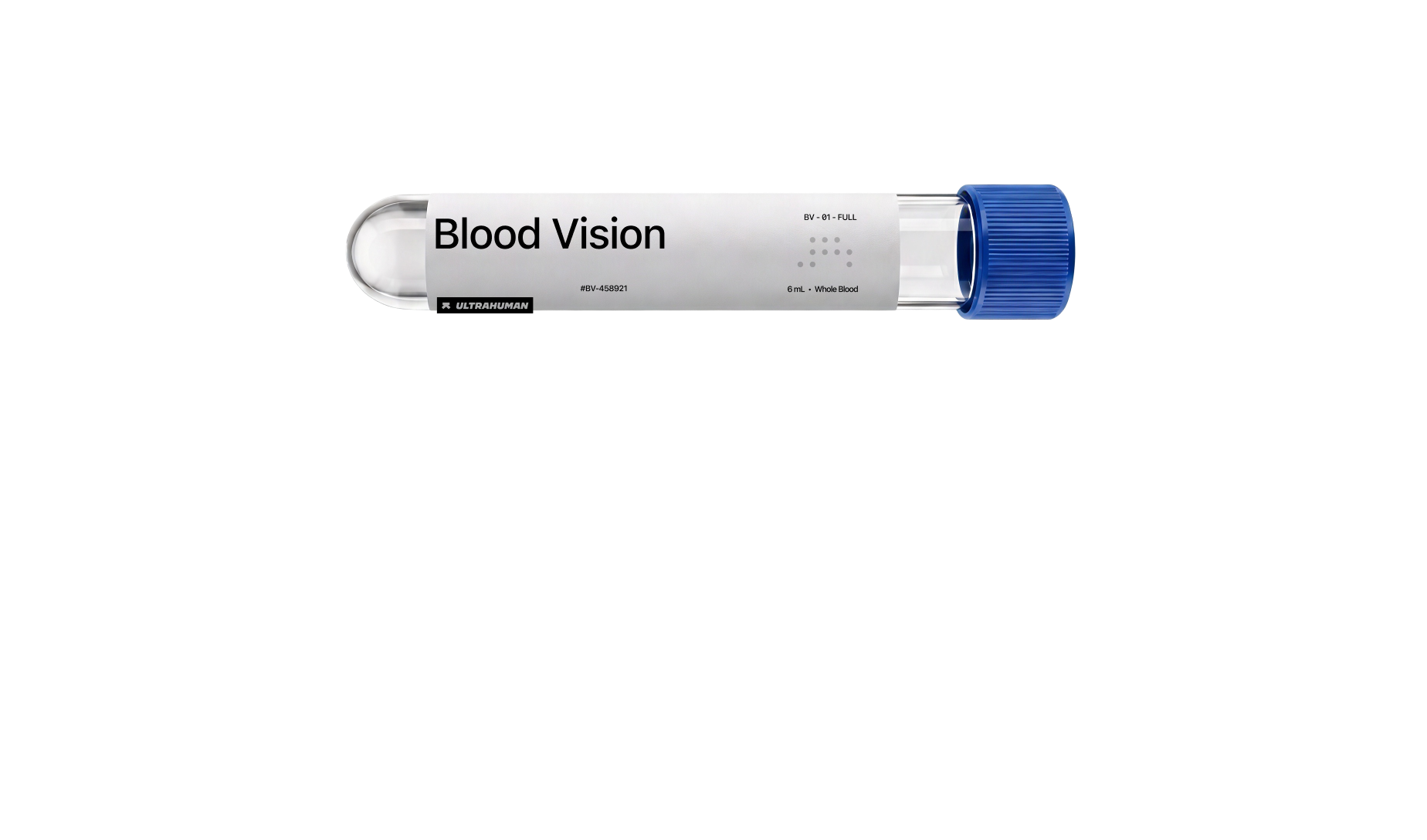
Performance Lab
Train, test and recover at our Bengaluru facility.


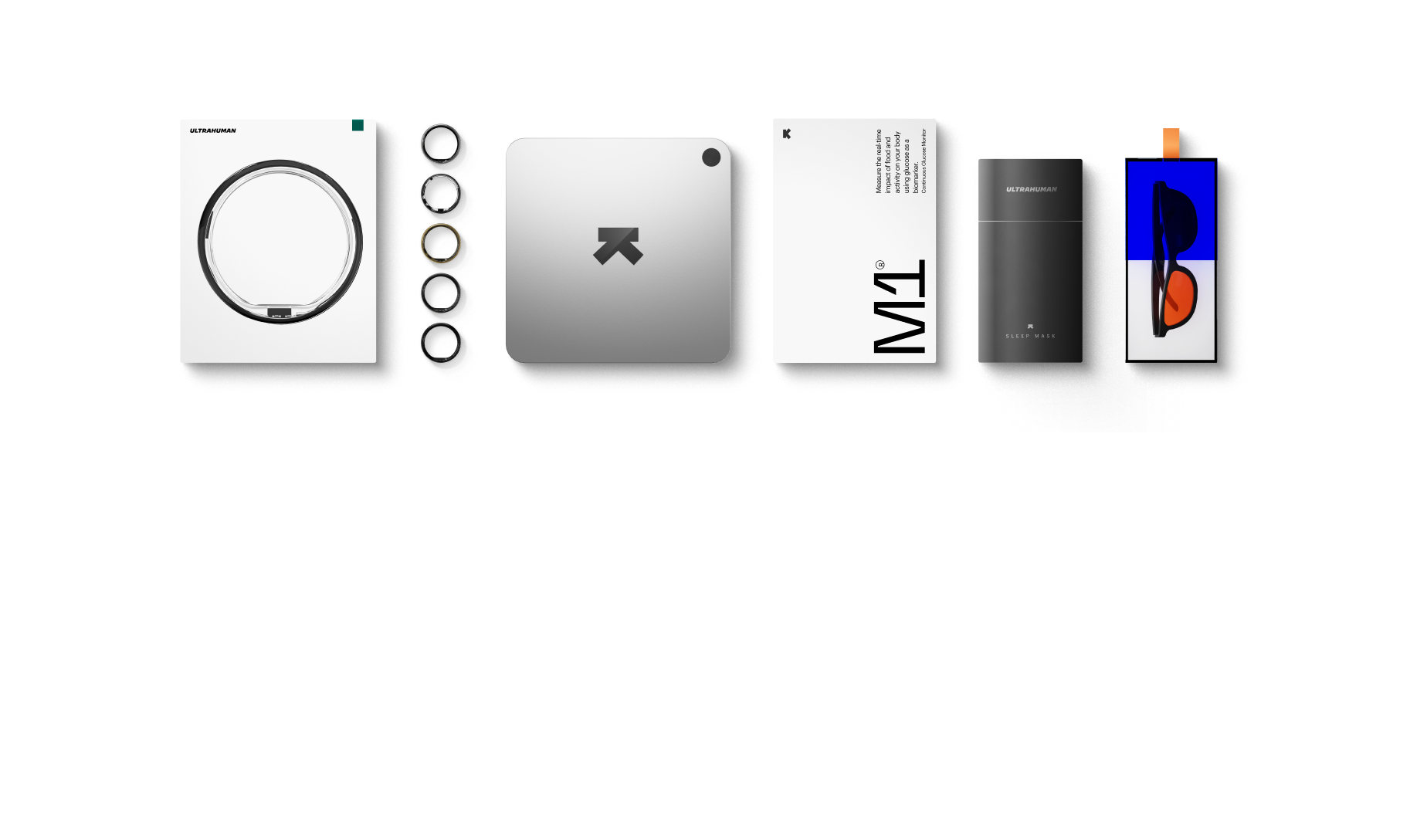
Science & Research

Smoothie Bowl (1 cup)
 Afternoon Snack
101 mg/dL
avg. peak value
Usually causes a medium spike
Avg. Food Score on Ultrahuman App
50%
Ultrahuman Users got a STABLE response
How to consume Smoothie bowl without glucose spikes
Incorporate Protein
Add a scoop of protein powder or a serving of Greek yogurt to your smoothie bowl to help slow down the absorption of sugars.
Include Healthy Fats
Top your bowl with a handful of nuts, seeds, or a dollop of nut butter, which can help stabilize blood sugar levels.
Opt for Low-Sugar Fruits
Use fruits like berries, cherries, or kiwi as they tend to have a more moderate impact on blood sugar compared to tropical fruits like bananas or mangoes.
Add Fiber-Rich Ingredients
Include ingredients like chia seeds, flaxseeds, or a small amount of oats to increase the fiber content, which can help control sugar spikes.
Limit Fruit Juices
If you’re using any liquids, prefer unsweetened almond milk or water over fruit juices which can be high in sugar.
Portion Control
Keep the serving size moderate. Too much of even lower-sugar fruits can contribute to a glucose spike.
Balance with Vegetables
Sneak in some leafy greens such as spinach or kale, which are low in sugar and high in nutrients.
Choose a Low-Sugar Sweetener
If you need additional sweetness, consider using a small amount of stevia or monk fruit sweetener instead of honey or agave syrup.
Mind the Toppings
Be cautious with granola or other toppings that might be high in added sugars or carbohydrates.
Pre-Digestive Exercise
A short walk or light physical activity before consuming a smoothie bowl can help moderate post-meal blood sugar levels.


Discover
metabolic
health with M1
Ultrahuman M1 helps you measure the impact of food and activity on your body in real time through glucose as a biomarker.
Explore Ultrahuman M1Find Glucose response for your favourite foods
Explore OGDbYour cart is empty
Looks like you haven't added anything yet. Explore our products to get started.