

Introducing Pulsomics. Contribute to science. Learn MoreIntroducing Pulsomics. Contribute to science.
M2 Live is here. Continuous Glucose Tracking, no Rx
Introducing Pulsomics. Contribute to science. Learn MoreIntroducing Pulsomics. Contribute to science.
Ultrahuman Ring
Choose the ring built for you.

Performance Lab
Train, test and recover at our Bengaluru facility.


Science & Research

Ragi java (1 ml)
 Breakfast
167 mg/dL
avg. peak value
Usually causes a medium spike
Avg. Food Score on Ultrahuman App
75%
Ultrahuman Users got an UNSTABLE response
How to consume ragi java without glucose spikes
Combine with Protein and Healthy Fats
Include a source of protein like boiled eggs or a handful of nuts, and healthy fats such as avocado or olive oil, when consuming ragi java. This can help slow down the digestion and absorption of carbohydrates.
Add Fiber-Rich Foods
Pair ragi java with fiber-rich foods like a side salad, steamed vegetables, or legumes. The fiber helps in moderating blood sugar levels by slowing glucose absorption.
Mind Portion Sizes
Be mindful of portion sizes when consuming ragi java. Smaller, controlled portions can help in managing glucose spikes.
Stay Hydrated
Drink plenty of water throughout the day. Proper hydration can assist in stabilizing blood sugar levels.
Include Low-Sugar Fruits
If you wish to add sweetness, consider incorporating low-sugar fruits like berries, which can be a better option than high-sugar fruits.
Regular Physical Activity
Engage in light to moderate physical activity after meals, such as a brisk walk, to help utilize the glucose in your bloodstream more effectively.
Monitor Your Responses
Keep track of how your body responds to ragi java and make adjustments to your diet or the time of consumption as needed to better manage glucose levels.
Opt for Whole Grains
If possible, ensure that any grains you consume along with or instead of ragi java are whole grains, as they typically have a slower impact on blood sugar levels.


Discover
metabolic
health with M1
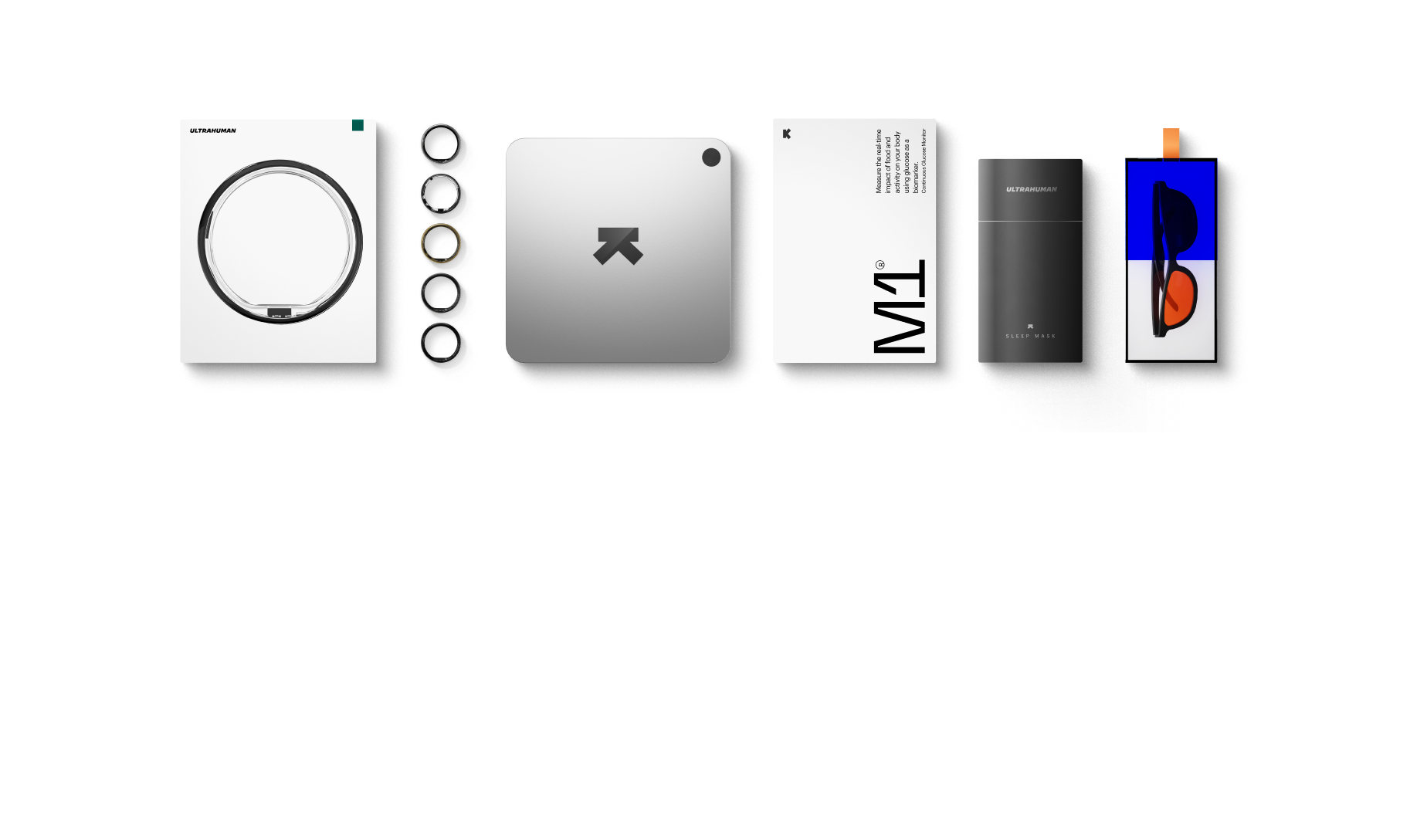
Ultrahuman M1 helps you measure the impact of food and activity on your body in real time through glucose as a biomarker.
Explore Ultrahuman M1Find Glucose response for your favourite foods
Explore OGDbYour cart is empty
Looks like you haven't added anything yet. Explore our products to get started.