

Ultrahuman Caffeine Window and timing explained
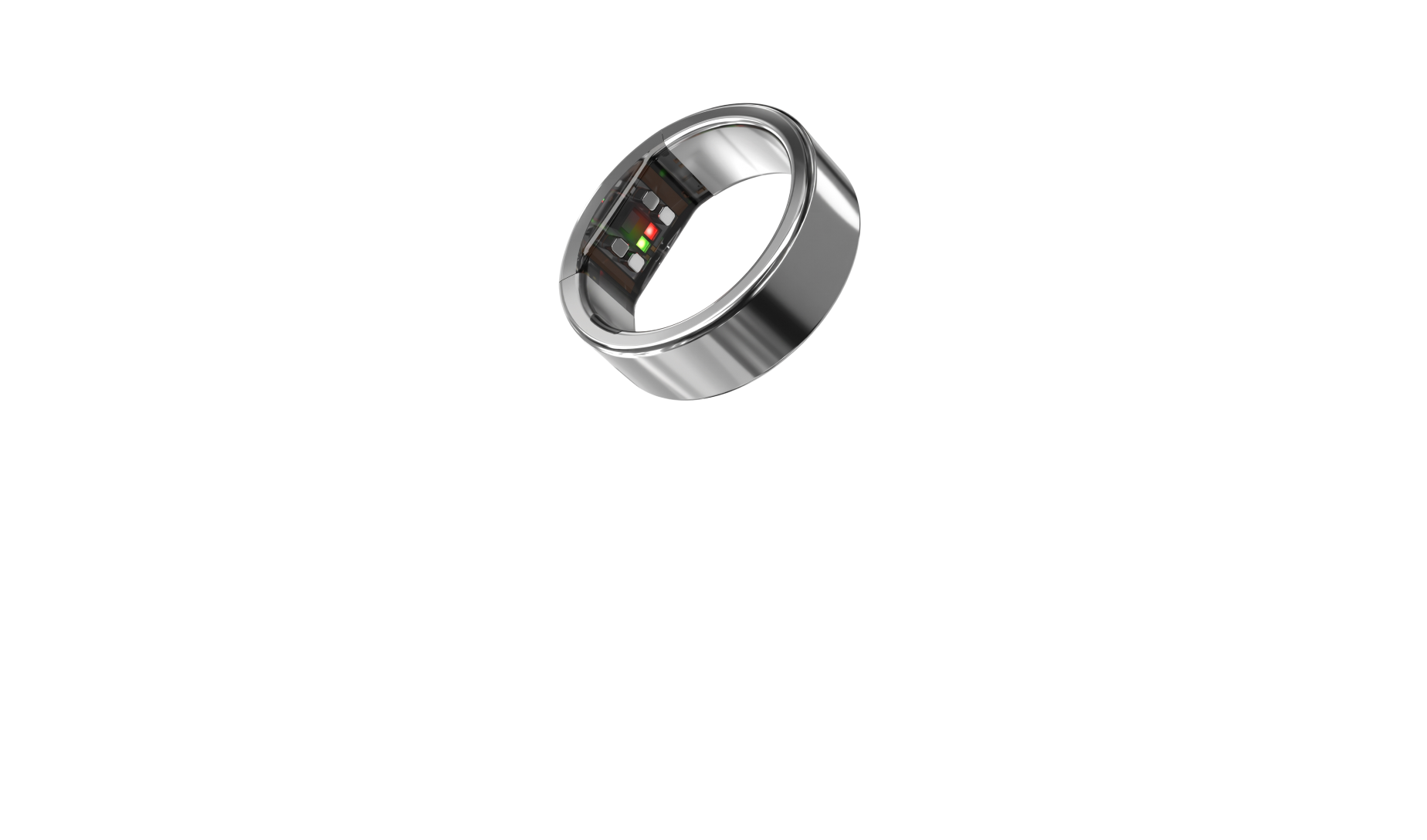
Caffeine Window is a PowerPlug on the Ultrahuman Ring that shows you when coffee will do you the most good, and when to stop so it doesn't cost you sleep. It marks a green window each day and a personal cut-off time, both built around when you actually sleep.
It exists because caffeine leaves your body slowly. About half a cup is still in your system five hours later, so an afternoon coffee can still be working at bedtime, often without you feeling a thing.
In this guide, we explain why caffeine timing matters more than most people think, what the research says about how late is too late, and how the Ring works out your cut-off.
Key takeaways
Caffeine blocks your brain's sleepiness signal, so it hides tiredness without clearing it.
It fades slowly. About half a cup is still in your system five hours later, so a mid-afternoon coffee can still be active at bedtime.
In controlled studies, caffeine taken six hours before bed measurably shortened sleep, and people didn't notice.
Caffeine Window sets a cut-off timed to your own sleep, rather than applying a fixed no-coffee-after-2pm rule.
The Ring doesn't sense caffeine in your blood. It estimates what's left from the drinks you log.
What does Caffeine Window do?
- A daily green window. The stretch when caffeine does the most for your focus and the least to your sleep. It opens about 90 minutes after you wake, once the natural alertness lift of waking has faded.
- A personal cut-off. The point after which a fresh coffee would still be working at bedtime. It's timed to when you actually sleep, so it moves with your schedule rather than sitting at a fixed hour.
- A running estimate of what's left. Log a drink and the app tracks how much caffeine is still circulating, so you can see where you stand before deciding on the next cup.
- Adjustment for how you slept. A strong night may earn you a slightly later cut-off. A poor one may bring it earlier, or prompt a suggested Caffeine Detox day.
Why caffeine timing matters
While you're awake, a sleepiness signal called adenosine builds up in your brain. The longer you're up, the stronger it gets, and it's one of the main things that eventually sends you to bed.
Caffeine works by blocking that signal, so your brain stops registering how tired you are. The tiredness is still there; caffeine only masks it, which is why your energy drops sharply once it wears off.
Caffeine also leaves slowly. About half of a cup is still in your system five hours later, which is why a mid-afternoon cup can still be working at midnight. Five hours is only an average, though. For some people it's closer to 1.5 hours, for others nearer 9.5, which is why a single fixed cut-off suits nobody perfectly.
Figure 1
A mid-afternoon cup is still working at bedtime
Caffeine remaining from a single cup taken at 15:00, on a five hour half-life
A mid-afternoon cup is still working at bedtime
Ultrahuman · idealized schematic. Clearance varies widely, roughly 1.5 to 9.5 hours between people.
How the Ring builds your Caffeine Window
The Ring has no sensor that reads caffeine in your blood, and no wearable does. Your Caffeine Window is built from two things it can work with.
Your own sleep: The Ultrahuman Ring tracks when you fall asleep and wake, so it places your window around your real schedule rather than the clock on the wall. Wake at 6am and your cut-off lands earlier. Work night shifts and the whole thing moves with you.
The drinks you log: When you log a coffee or tea, the app estimates how much caffeine it contained, then tracks how much is still circulating as the day goes on. That's a well-informed guide based on averages, not a lab reading.
Together, those give you a personal cut-off: the time after which a fresh coffee would likely still be working against your sleep at bedtime.
What the research says about caffeine and sleep
Six hours before bed is still too late. The classic demonstration gave participants 400 mg of caffeine (about two to three cups of coffee) a full six hours before bed. It cut measured sleep by more than an hour, and the participants didn't notice. Feeling fine is not proof that caffeine left your sleep alone.
Across the evidence, the number is closer to nine hours. A review of 24 studies found caffeine shortened total sleep by about 45 minutes and trimmed deep sleep in particular. To protect total sleep time, the authors advised finishing a standard cup at least 8.8 hours before bed.
Dose matters as much as timing. A crossover trial in 23 healthy young men compared two doses taken four hours before bed. The 400 mg dose cut total sleep by around 51 minutes and deep sleep by roughly 30 minutes. A 100 mg dose at the same four-hour mark had no measurable effect.
So a single small afternoon coffee is a different proposition from a large pre-workout drink, and a useful cut-off has to account for both how much and how late.
How to use Caffeine Window in the app
Caffeine Window sits in the Windows dial, alongside your Circadian window. On iOS, and soon on Android, you can pin it to your home screen as a widget.
- The green zone is your window, when caffeine is most effective and least likely to touch your sleep.
- The early yellow stretch is the wake-up buffer, the roughly 90 minutes after rising when the app suggests holding off.
- The red zone is after your cut-off, when a fresh coffee would likely still be active at bedtime.
You log drinks from the Caffeine Bar, a searchable library of coffees, teas and energy drinks with their caffeine amounts built in. Each entry updates your estimated body caffeine, so you can see how much is still working through you before deciding on another cup.
Caffeine Window also reads your other Ring data. Through Brain Waste Clearance, a strong night may earn you a slightly later cut-off, while a poor one may bring it earlier or prompt a suggested Caffeine Detox day. Through Circadian Alignment, the window tracks your body clock, so an irregular or shifted schedule moves it with you.
Read the original research
All Studies →This explainer is based on original research by the Ultrahuman Science team. Explore the full Studies repository.
Frequently asked questions
Does the Ring actually measure caffeine in my body?
No. There's no wearable sensor that reads caffeine in blood. The Ring estimates how much is still circulating from the drinks you log, and uses your sleep and body clock to place the window.
How long before bed should I stop drinking coffee?
Earlier than most people assume. A review advised finishing a standard cup at least 8.8 hours before bed, and a controlled study found caffeine six hours before bed still cut sleep. A larger dose needs more lead time. The app's cut-off adjusts this to your drink and your bedtime.
If I fall asleep fine after coffee, is my sleep still affected?
Possibly. In controlled studies people often slept less and got less deep sleep after late caffeine without noticing any difference in how they felt.
What is a caffeine detox day?
A short, optional reset the app may suggest after a night of poor recovery. It isn't about quitting caffeine, just skipping it for a day to protect your deep sleep and let your sensitivity recover.
Does the window change day to day?
Yes. It moves with your sleep and body clock, and your cut-off can shift earlier after a poor night or later after a strong one. That's the point of a personal window over a fixed cut-off.
References
- Drake C, Roehrs T, Shambroom J, Roth T. Caffeine effects on sleep taken 0, 3, or 6 hours before going to bed. Journal of Clinical Sleep Medicine 2013. DOI 10.5664/jcsm.3170
- Gardiner C, Weakley J, Burke LM, et al. The effect of caffeine on subsequent sleep: a systematic review and meta-analysis. Sleep Medicine Reviews 2023. DOI 10.1016/j.smrv.2023.101764
- Gardiner C, Weakley J, Burke LM, et al. Dose and timing effects of caffeine on subsequent sleep: a randomized clinical crossover trial. Sleep 2025. DOI 10.1093/sleep/zsae230
- Institute of Medicine (US) Committee on Military Nutrition Research. Pharmacology of caffeine. In: Caffeine for the Sustainment of Mental Task Performance. National Academies Press 2001. ncbi.nlm.nih.gov/books/NBK223808
This article is for education, not medical advice. The Ultrahuman Ring is a wellness device, not a diagnostic tool. The Caffeine Window and its estimates are intended to support general wellness and self-tracking, not to diagnose, treat, or rule out any medical condition. Individual responses to caffeine vary widely. If caffeine affects your sleep, mood, or heart rhythm in ways that concern you, speak with a qualified clinician.
