

Circadian Alignment PowerPlug explained
Circadian alignment is the fit between your internal body clock and the hours you actually sleep, wake, and live.
When the two line up, your body runs each process at the time it's built for. But if they drift apart, blood sugar control, blood pressure, and daytime alertness can measurably worsen.
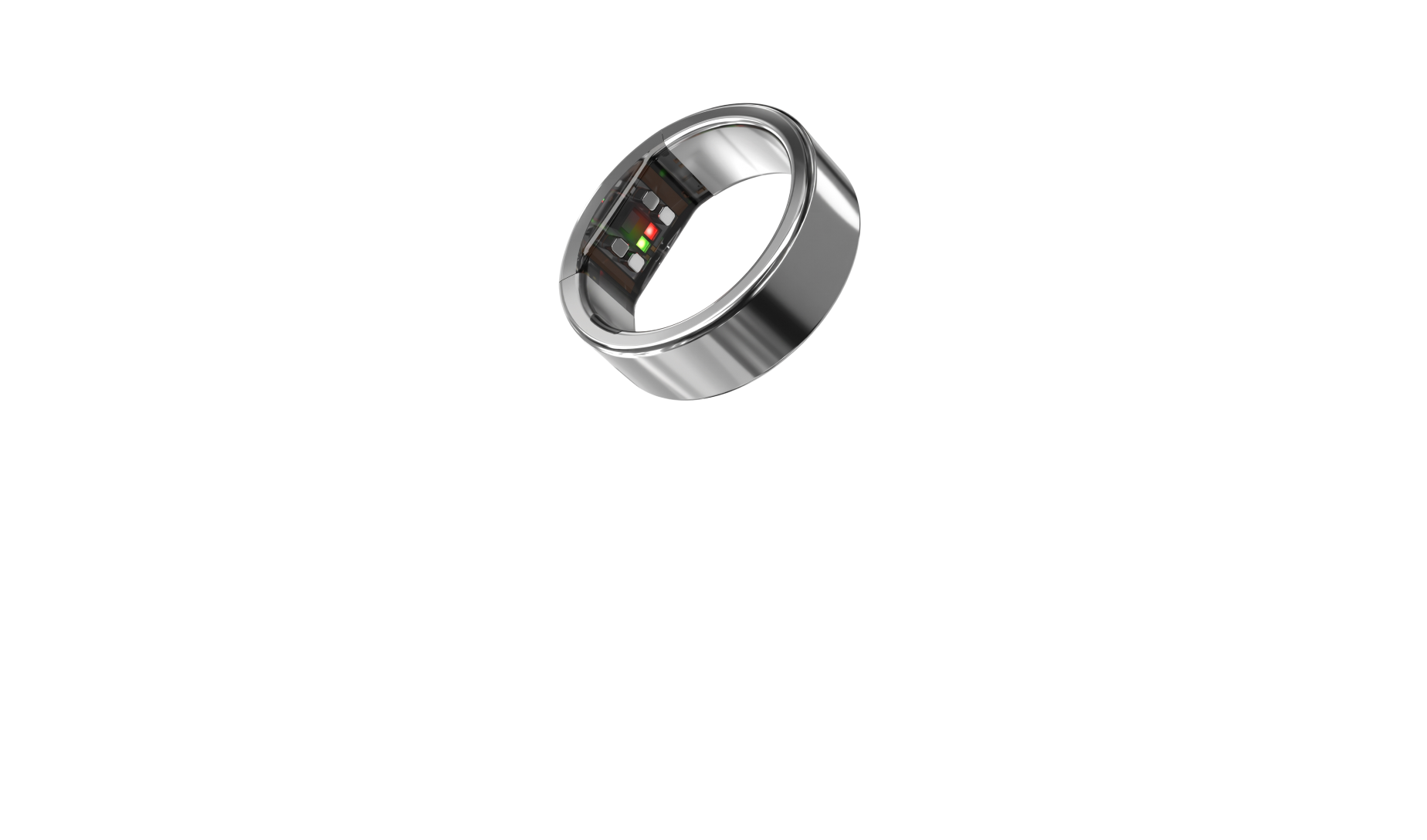
In this guide, we explain the science behind circadian rhythms and how the Ultrahuman Ring’s Circadian Alignment PowerPlug helps you live in sync with your natural rhythm.
Key takeaways
The Ultrahuman Ring anchors your circadian windows to your temperature minimum, the lowest point in your overnight skin temperature.
Your circadian clock has a low point in the middle of your night. Light before it pushes your clock later. Light after it pulls your clock earlier.
Alignment is about timing, not hours. You can get your 8 hours of sleep and still be out of step.
Morning light and a dim evening are the two levers with the most evidence behind them.
Across 103,490 Ring wearers, the least regular sleepers ran up to 3.6 bpm higher overnight resting heart rate than the most regular in their age group.
How the Ring measures circadian alignment
The Ultrahuman Ring measures circadian alignment from your sleep, night after night.
By identifying your temperature minimum, the lowest point in your skin temperature during sleep, the Ultrahuman Ring anchors your circadian windows and translates them into personalized daily guidance.
It reads that low point across recent nights rather than trusting any single one, so the anchor settles into your own pattern.
Ultrahuman marks four windows across your day:
Minima Zone
The 30 minutes around your temperature minimum, when your body is at its most physiologically restful. It is the anchor the other three windows are set from.
Light and movement here can fragment sleep and cut into recovery, so the app recommends stillness and darkness. Protecting this window is one of the more useful things you can do for the night.
Phase Advance
The window that follows your temperature minimum. Light and physical activity here shift your rhythm earlier, which can make it easier to fall asleep and to wake up sooner.
The app prompts you to get morning sunlight, take a walk, or move gently. This is the window that supports early-day alertness, and using it consistently is what keeps your rhythm from drifting.
Circadian Dead Zone
The stretch between the advance and delay windows, largely during daylight hours. Your circadian system responds least to light and activity here, so these are unlikely to move your internal clock much.
Light, screens, caffeine and naps shift your clock less in this window than they would at other times. Staying active still supports your health. It just does little for circadian adjustment.
Phase Delay
The four to eight hours before your temperature minimum, which for most people lands in the evening and early night. Light or physical activity here tends to push your rhythm later, so you may find it harder to fall asleep at your target time and wake feeling less refreshed.
The app encourages you to begin winding down in this window. That means minimizing screen time, avoiding large meals, and skipping late-night workouts.
This phase matters because poor timing here can blunt morning alertness and disrupt overall circadian stability. Avoiding stimulation during this window can help you fall asleep earlier and improve next-day energy.
| Phase | What is happening | What it is for |
|---|---|---|
| Minima Zone | Your body is at its lowest tone, usually in deep sleep between 3 and 7 a.m. | Sleep |
| Phase advance | You wake and start moving | Light and exercise pull your clock earlier |
| Circadian dead zone | The clock responds least to light | Ordinary daytime work |
| Phase delay | Your body starts preparing for rest | Dim light, wind down |
How to use Circadian Alignment PowerPlug
Circadian Alignment is a free PowerPlug. When active it takes a segment on the Windows dial, which anchors all your active windows to right now.
It shows how long is left in your current circadian window, which is what tells you when to get outside and take the morning light, and when to back off screens and start winding down.
The science behind circadian alignment
There’s strong evidence for the effect of light on our circadian clocks.
A study giving 21 healthy adults bright light at different hours across the cycle found that light before the core body temperature minimum delayed the clock, and light after it advanced the clock.
The full swing from largest delay to largest advance was just over five hours. The same study found no long stretch of complete insensitivity to light across the waking day: the dead zone is where light moves your clock least, not where it does nothing.
When adults spent a week camping under only natural light, their internal night lined up with the sun, starting at sunset and ending just before wake time. Indoor living does the reverse: less sun by day, more light after dark.
And living out of sync with your natural rhythm, with high variability in sleep and wake timing, is shown to have an impact on glucose control and metabolic health.
In 2,003 adults wearing movement monitors for a week, every extra hour of variability in sleep timing came with 23% higher odds of metabolic syndrome.
This was backed up by an Ultrahuman study of 227,860 nights of real-world, free-living smart ring and continuous glucose monitoring data that showed stark differences in glucose control between Ring AIR and CGM users with the most consistent sleep timing and the most inconsistent.
In another study, Ultrahuman looked at 103,490 Ring wearers with at least 180 valid sleep nights in a year. The least regular bedtime group has a 1.9 to 3.6 bpm higher overnight resting heart rate than the most regular group in the same age band. Heart rate variability moved the other way, lower by 1.4 to 1.8 ms.
Read the original research
All Studies →This explainer is based on original research by the Ultrahuman Science team. Explore the full Studies repository.
Frequently asked questions
Does the Ring tell me my temperature minimum?
Indirectly. The Ring finds the low point in your overnight skin temperature and anchors your circadian windows to it. That is a finger reading, not the core reading used in the light research, and the two curves are not identical, so treat it as your own personal anchor rather than a lab measurement.
When is the best time for light exposure?
Soon after you wake, if you want your clock earlier or held where it is. That is the window where light advances the clock. Bright light late at night does the opposite and pushes it later.
Is the circadian dead zone a time when light does nothing?
No. It is the stretch of the day where light shifts your clock least.
Can I be misaligned and still sleep eight hours?
Yes. Alignment is about how well your timing fits with your natural rhythm.
Does travel across time zones break it?
It does not break it, but expect a lag. Your clock shifts slowly, so the phases follow your body rather than local time. The windows matter most on the days you are catching up.
References
- Sarabia JA et al. Circadian rhythm of wrist temperature in normal-living subjects: a candidate of new index of the circadian system. Physiol Behav 2008. PMID 18761026
- Khalsa SBS et al. A phase response curve to single bright light pulses in human subjects. J Physiol 2003. PMID 12717008
- Wright KP Jr et al. Entrainment of the human circadian clock to the natural light-dark cycle. Curr Biol 2013. PMID 23910656
- Huang T, Redline S. Cross-sectional and prospective associations of actigraphy-assessed sleep regularity with metabolic abnormalities: the Multi-Ethnic Study of Atherosclerosis. Diabetes Care 2019. PMID 31167888
Circadian Alignment describes associations in physiological data, not cause and effect. It is not a medical diagnosis. If your sleep timing changes in a way that concerns you, bring it to your physician.